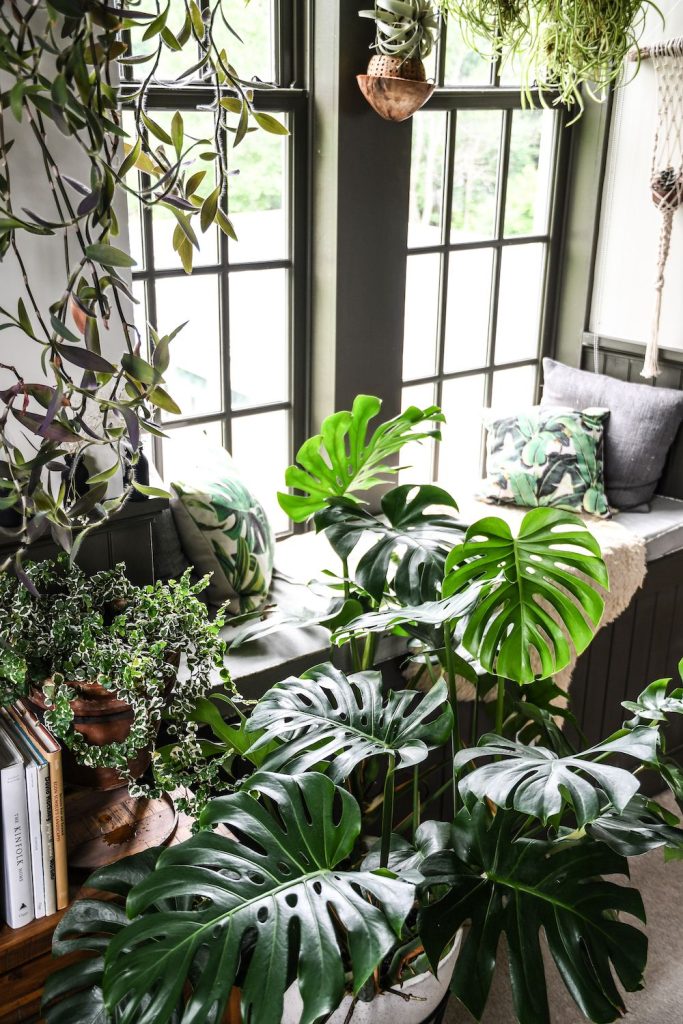
Imagine walking into a room and being greeted by the striking, lush leaves of a Monstera plant. It’s no wonder these tropical beauties have become a favorite among plant lovers.
But, like all good things, keeping your Monstera thriving requires a little know-how. If you’ve ever wondered how to make your Monstera the star of your indoor jungle, you’re in the right place. This guide is designed just for you, offering simple, effective tips to ensure your Monstera not only survives but truly flourishes.
Ready to uncover the secrets to a happy, healthy Monstera? Dive in, and let’s transform your plant care routine.
Choosing The Right Location
Select a spot with indirect sunlight for your Monstera. Bright, filtered light helps it thrive. Avoid direct sun to prevent leaf damage.
Choosing the right location for your Monstera can greatly impact its health. This tropical beauty thrives in specific conditions. Picking the perfect spot is essential for lush growth and vibrant leaves. Let’s explore the key factors that will help your Monstera flourish.
Light Requirements
Monsteras love bright, indirect light. Direct sunlight can scorch their leaves. Place them near a window with filtered light. North or east-facing windows are often ideal. If light is too low, growth may slow down. Watch for leggy stems as a sign of insufficient light.
Ideal Temperature
Monsteras prefer warm, humid environments. Keep them in temperatures between 65°F to 85°F. They dislike cold drafts or sudden temperature changes. Avoid placing them near heaters or air conditioners. Consistent warmth will keep your Monstera happy.
Watering Guidelines
Proper watering keeps Monstera healthy. Water once the top inch of soil feels dry. Ensure good drainage to prevent root rot.
Watering Guidelines Proper watering keeps your Monstera thriving. Each plant is unique, so understanding its needs is key. Monstera plants flourish with a balanced water routine. Learn how to provide optimal hydration.
Frequency Of Watering
Monstera requires watering once a week. Check the soil moisture before watering. Let the top inch of soil dry out first. In winter, reduce watering frequency. Cooler months need less water. Monitor your plant’s environment. Humidity and temperature affect watering needs.
Signs Of Overwatering
Overwatering can harm your Monstera. Watch for yellowing leaves. They indicate excess moisture. Droopy leaves can also be a symptom. Soil should not be soggy or waterlogged. Root rot is a major risk. Check for mushy roots. Reduce watering if these signs appear.
Soil And Potting Needs
Monstera thrives in well-draining soil with a mix of peat and perlite. Use a pot with drainage holes to prevent waterlogging. Regularly check soil moisture to keep it slightly damp, but not soggy.
Caring for your Monstera involves understanding its soil and potting needs. These majestic plants thrive with the right soil mix and occasional repotting. But what kind of soil does a Monstera prefer, and how often should you repot? Let’s dig into these details to ensure your plant stays lush and healthy.
Best Soil Type
Monstera plants flourish in well-draining soil. A mix that includes peat moss, pine bark, and perlite works wonders. This combination retains just the right amount of moisture while allowing excess water to escape. Avoid heavy garden soil or any mix that retains too much water. Overwatering can lead to root rot, a common issue with Monsteras. Think of your soil as a cozy blanket — it should provide warmth without suffocating your plant.
Repotting Tips
Repotting a Monstera is crucial for its growth. Typically, every two years is a good rule of thumb for repotting. Look for signs like roots emerging from the pot’s drainage holes or slowed growth. When repotting, choose a pot that’s about 2 inches larger in diameter than the current one. This gives the roots room to expand and flourish. Ensure the new pot has proper drainage to prevent waterlogging. Repotting might seem daunting, but it’s an opportunity to refresh your plant’s environment. Have you noticed how a fresh setting sometimes boosts your mood? Your Monstera feels the same way!
Fertilization Practices
Fertilizing your Monstera is like providing it with a balanced diet. Just like you need essential nutrients to thrive, your Monstera benefits from regular feeding to grow lush and vibrant. Understanding the right fertilization practices will ensure your plant reaches its full potential.
Types Of Fertilizers
Choosing the right fertilizer for your Monstera can make a significant difference. Consider using a balanced liquid fertilizer, which is easy to apply and provides equal parts nitrogen, phosphorus, and potassium. This is particularly effective in promoting healthy foliage and root development.
Alternatively, you can opt for slow-release granules. These release nutrients gradually, providing steady nourishment over several months. It’s a great option if you prefer a more hands-off approach.
Organic fertilizers like fish emulsion or compost tea are also excellent choices. They enrich the soil naturally, enhancing the overall health of your Monstera. Have you ever tried making your own compost tea? It’s a rewarding way to recycle kitchen scraps while boosting your plant’s growth.
Application Schedule
Timing is everything when it comes to fertilizing your Monstera. During the growing season, typically spring and summer, aim to fertilize every 4-6 weeks. This supports the active growth phase, helping your Monstera produce new leaves and robust roots.
In fall and winter, reduce the frequency to every 8-10 weeks. Your Monstera is resting during these months, and over-fertilizing can lead to nutrient build-up and root burn. Have you noticed how your Monstera slows down in winter? It’s fascinating how plants adapt to seasonal changes.
Always follow the instructions on the fertilizer packaging for the correct dosage. Over-fertilizing can harm your plant more than help it. Are you guilty of thinking ‘more is better’ when it comes to fertilizers? It’s a common misconception that can be easily avoided with mindful practices.
Pruning And Maintenance
Proper pruning keeps Monstera healthy and encourages new growth. Regular maintenance includes removing dead leaves and trimming long stems. This helps the plant maintain its shape and prevents overcrowding.
Pruning and maintaining your Monstera plant is essential for its health. Regular care ensures lush growth and vibrant leaves. Monstera plants can grow rapidly, so managing them is crucial. Proper pruning techniques and leaf cleaning keep your plant looking its best.
Trimming Techniques
Pruning your Monstera encourages new growth. Use clean, sharp scissors for trimming. Cut just above a leaf node to encourage branching. Remove any yellow or damaged leaves promptly. Trim long aerial roots if they become unruly. This keeps your plant tidy and healthy. Learn More..
Cleaning Leaves
Dust can settle on Monstera leaves, blocking sunlight. Wipe leaves gently with a damp cloth to remove dust. Clean leaves monthly to keep them shiny. Use lukewarm water; avoid harsh chemicals. Leaf cleaning improves photosynthesis and plant health.

Credit: www.instagram.com
Dealing With Pests
Keeping Monstera plants healthy involves regular checks for pests. Inspect leaves for signs of insects or damage. Gently wipe affected areas with a damp cloth and apply natural pest control solutions if necessary.
Monstera plants are a favorite among indoor gardeners. Their large, vibrant leaves bring a touch of the tropics to any space. But like all plants, they can attract pests. These pests can damage your Monstera, affecting its growth and health. Understanding how to manage these invaders is crucial for a thriving plant.
Common Pests
Monstera plants often face a few common pests. Spider mites, scale insects, and thrips are frequent culprits. Spider mites create fine webs on leaves. Scale insects appear as small, brown bumps. Thrips are tiny, black insects that leave silver streaks. Each pest has distinct signs, making identification easier.
Natural Remedies
Natural solutions can effectively combat pests on your Monstera. Neem oil is a popular choice. It suffocates pests without harming the plant. Mix a few drops with water in a spray bottle. Apply it on leaves, focusing under them. Another remedy is insecticidal soap. It disrupts the pest’s cell membranes. Spray it generously on affected areas. Always test a small area first to ensure no leaf damage.
Encouraging Growth
Encouraging Growth in your Monstera plant requires attention and care. These vibrant plants thrive when given the right environment and support. With proper techniques, you can help them flourish, filling your space with lush greenery.
Supporting Vines
Monstera vines need support as they grow. Use stakes or trellises to guide their path. This helps them stand tall and prevents tangling. Anchor the stems gently to avoid damage. Regularly check the supports for stability.
Growth-boosting Tips
Fertilize your Monstera every month during the growing season. Choose a balanced, water-soluble fertilizer for best results. Ensure the soil is well-draining to prevent root rot. Water the plant when the topsoil feels dry. Too much water can hinder growth.
Keep your Monstera in bright, indirect sunlight. Direct sunlight can scorch the leaves. Rotate the pot occasionally for even growth. Monitor temperature and humidity levels. Monstera prefers warm, humid environments.
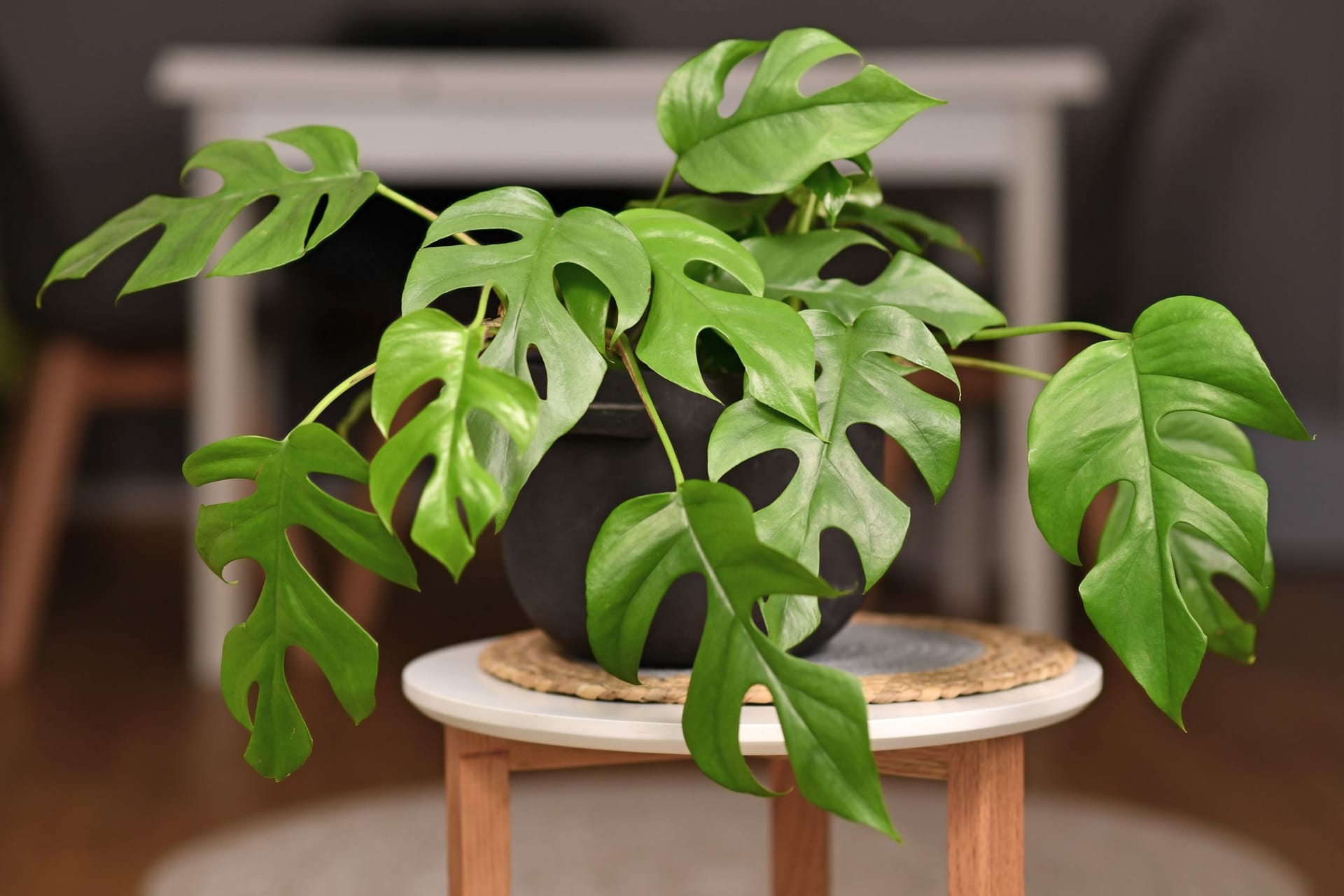
Credit: plnts.com
Recognizing Health Issues
Caring for a Monstera involves recognizing signs of health issues like yellowing leaves or brown spots. Ensure proper light and water conditions to keep your plant thriving. Regularly check for pests and address any concerns promptly to maintain its lush appearance.
Recognizing Health Issues Caring for your Monstera means keeping a keen eye on its health. Understanding the signs of potential issues can help you address them before they become severe. Here, we’ll explore common symptoms and what they might mean for your plant’s well-being.
Yellowing Leaves
Yellowing leaves often indicate that your Monstera might be stressed. This could be due to overwatering, underwatering, or even inadequate light. Check if the soil is consistently soggy, as this might be the culprit. On the flip side, dry, brittle soil might mean your plant is thirsty. Adjust your watering schedule based on your observations, and consider relocating your plant if it’s not receiving enough light. If you’ve ever noticed yellow leaves, think about your watering habits. Are you overzealous with the watering can, or perhaps too forgetful? This simple self-check can save your Monstera from a lot of stress.
Root Rot Signs
Root rot is a dreaded phrase for plant lovers, but it’s crucial to address it promptly. Notice any unpleasant odors wafting from your Monstera’s pot? This might be a red flag for root rot. Gently remove the plant from its pot and inspect the roots. Healthy roots are white and firm, while rotting roots appear brown and mushy. If you spot these signs, trim away the affected roots and repot your Monstera in fresh soil. Ensure the new pot has adequate drainage to prevent future issues. Considering your plant’s roots might not be your first thought when there’s trouble, but it’s an essential step. Have you checked the roots lately? This could be the key to resolving persistent problems with your Monstera. Being proactive and observant can make all the difference in your plant’s health. Keep these tips in mind as you nurture your Monstera, ensuring it thrives and graces your space with its lush beauty.
Propagation Methods
Propagating Monstera can be done through stem cuttings or air layering. Stem cuttings thrive in water or soil. Air layering involves wrapping damp moss around the stem until roots form. Each method encourages healthy growth and expansion.
Propagating your Monstera can be a rewarding experience, offering a way to expand your indoor jungle without buying new plants. It’s a thrilling process that involves nurturing a part of your existing plant into a whole new one. Whether you’re a seasoned plant parent or a budding enthusiast, understanding these propagation methods will enhance your gardening skills and bring more greenery into your space.
Stem Cuttings
One of the most straightforward methods to propagate Monstera is through stem cuttings. Begin by selecting a healthy stem with at least one node, as this is where new roots will develop. Use a clean, sharp knife or scissors to cut below the node, ensuring the cutting is at least 4-6 inches long. Remove any leaves that might end up submerged in water or soil to prevent rot. Position your cutting in a spot with bright, indirect light, and keep the soil moist. Within a few weeks, you might notice new roots sprouting, signaling a successful propagation.
Water Propagation
Water propagation is an excellent choice if you enjoy watching roots grow. Once you have your stem cutting, place it in a jar filled with room-temperature water, ensuring that the node is submerged. Change the water every week to maintain freshness and prevent bacterial growth. This method allows you to observe root development closely, making it an educational and engaging process. Once the roots are a few inches long, usually after a month, you can transfer the cutting to soil. This transition marks the beginning of your new Monstera’s life, ready to thrive with proper care. Which method resonates with you? Are you intrigued by the hands-on approach of soil propagation or the visual satisfaction of water propagation? Each method has its charm and can lead to a flourishing new addition to your plant collection.

Credit: plantcareforbeginners.com
Frequently Asked Questions
How Do You Care For Monstera Indoors?
Place Monstera in bright, indirect light. Water when the topsoil is dry. Maintain humidity around 60%. Fertilize monthly in spring and summer. Prune yellow leaves and encourage growth with occasional repotting.
How Do I Make My Monstera Happy?
Place your Monstera in bright, indirect sunlight. Water when the top inch of soil is dry. Ensure good humidity and use well-draining soil. Fertilize monthly during the growing season. Prune regularly to promote growth.
How Much Light Does A Monstera Need?
Monstera plants thrive in bright, indirect sunlight. Too much direct light can scorch their leaves. Ensure they receive enough light to grow well, but avoid harsh sunlight. Place them near windows with filtered light for optimal growth. Regularly rotate your Monstera to encourage even development.
How Do I Know If My Monstera Is Happy?
Your Monstera is happy if it has vibrant green leaves, steady growth, and no yellowing or wilting. It also enjoys indirect sunlight and consistent watering. Check for new leaf development and aerial roots, which indicate a healthy plant.
Conclusion
Caring for Monstera plants is simple with the right approach. Keep leaves clean and dust-free. Water consistently but avoid overwatering. Provide bright, indirect sunlight. Use well-draining soil for healthy roots. Fertilize during growing seasons. Watch for pests like spider mites.
Trim regularly to maintain shape and size. Understand your plant’s needs to ensure growth. Enjoy the beauty and life it brings to your home. Each step makes your Monstera thrive. Happy planting!