Ever found yourself staring at the engine of your car, wondering how to keep it running smoothly? If so, you’re not alone.
One of the simplest yet crucial tasks you can perform is putting coolant in your car. This not only ensures your engine stays cool but also prevents costly repairs down the line. By the end of this guide, you’ll feel like a pro, confident enough to pop open the hood and take control.
Ready to save time, money, and stress? Let’s dive into the steps that will empower you to maintain your car like a seasoned mechanic.
Credit: www.honda.ae
Safety Precautions
Ensure the engine is cool before adding coolant to prevent burns. Use safety gloves and goggles for protection. Avoid spilling coolant on the ground to keep the environment safe.
Before you start putting coolant in your car, safety is key. Handling coolant requires care to prevent accidents. This section will guide you on important safety measures. These precautions protect you and your vehicle from harm. Let’s dive into the essential safety steps.
Wear Protective Gear
Always wear protective gear when handling coolant. Use gloves to protect your skin. Goggles shield your eyes from splashes. Avoid inhaling fumes by wearing a mask. Safety gear minimizes risks and keeps you safe.
Ensure Engine Is Cool
Make sure the engine is cool before adding coolant. A hot engine can cause burns. Wait until the engine is completely cooled down. This prevents injuries and ensures safe coolant handling.
Credit: www.halfords.com
Gather Necessary Tools
Gather necessary tools like a funnel and coolant before starting. Ensure you have the correct type for your car.
Gathering the right tools is essential for adding coolant to your car. This process ensures safety and efficiency. Knowing what you need beforehand saves time and prevents mistakes.
Coolant Type Selection
Choose the right coolant for your vehicle. Check the owner’s manual for guidance. Different cars need different types. Using the wrong coolant can damage the engine. Look for the correct color and type. Coolants are often green, orange, or pink. Each color serves a specific purpose.
Tools And Materials Checklist
Before starting, gather all necessary tools. Here’s a simple checklist:
- Owner’s manual
- Correct type of coolant
- Clean funnel
- Gloves
- Safety goggles
- Rags or paper towels
A clean funnel prevents contamination. Gloves protect your hands from chemicals. Goggles shield your eyes from splashes. Rags help clean any spills. Having everything ready makes the process smooth and safe.
Locate Coolant Reservoir
Understanding how to locate the coolant reservoir is key to maintaining your car. The reservoir holds the coolant, helping keep your engine cool and running smoothly. It’s usually a plastic container, marked with a cap that says “coolant” or “radiator.” Finding it is easy with the right guidance.
Understanding Car Manual
Your car manual is the best guide for locating the coolant reservoir. It contains diagrams and instructions for every part of your vehicle. Check the section labeled ‘cooling system’ or ‘fluid reservoirs.’ This will show you the exact location in your specific car model.
Identifying The Reservoir
Once you open the hood, look for the coolant reservoir. Typically, it’s near the engine or the radiator. It is a clear or opaque container with markings for minimum and maximum levels. The cap should have a symbol that looks like a thermometer or a warning sign. This helps ensure you’re adding coolant to the right place.

Credit: www.youtube.com
Check Coolant Levels
Checking coolant levels is crucial for engine health. Locate the coolant reservoir under the hood. Make sure the fluid reaches the ‘Full’ line to ensure proper cooling.
Checking your car’s coolant levels is crucial for maintaining your vehicle’s health. It ensures the engine runs smoothly and prevents overheating. But how do you know if the coolant level is just right?
Reading The Fill Line
When you pop the hood, the coolant reservoir is usually a translucent plastic container with markings on the side. These markings indicate the minimum and maximum levels. Ensure your car is on a level surface and the engine is cool before checking. Look for the fill line on the reservoir; the coolant should be between the ‘min’ and ‘max’ marks. If it’s below the ‘min’ line, it’s time to add more coolant.
Signs Of Low Coolant
Low coolant can signal itself in several ways. One of the most common signs is your engine temperature gauge rising higher than usual. Another telltale sign is a sweet smell coming from the engine bay, indicating a coolant leak. You might also notice the heater isn’t blowing warm air as it should. These signs are your car’s way of telling you it needs attention. Ignoring them could lead to engine damage. Have you ever experienced these signs? Checking your coolant levels regularly can save you a lot of hassle.
Add Coolant
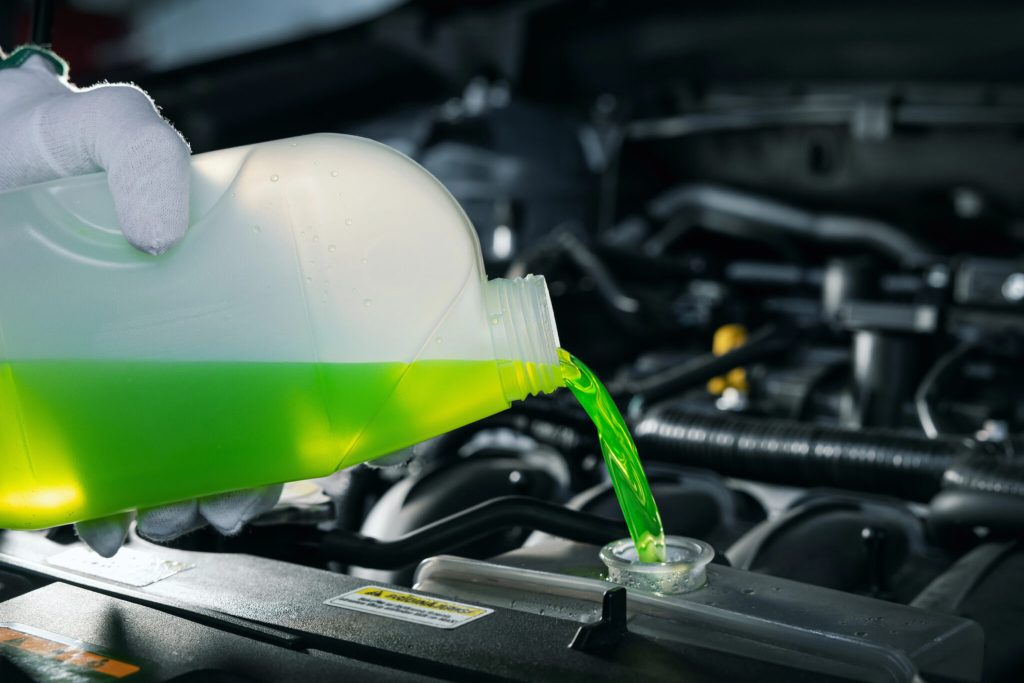
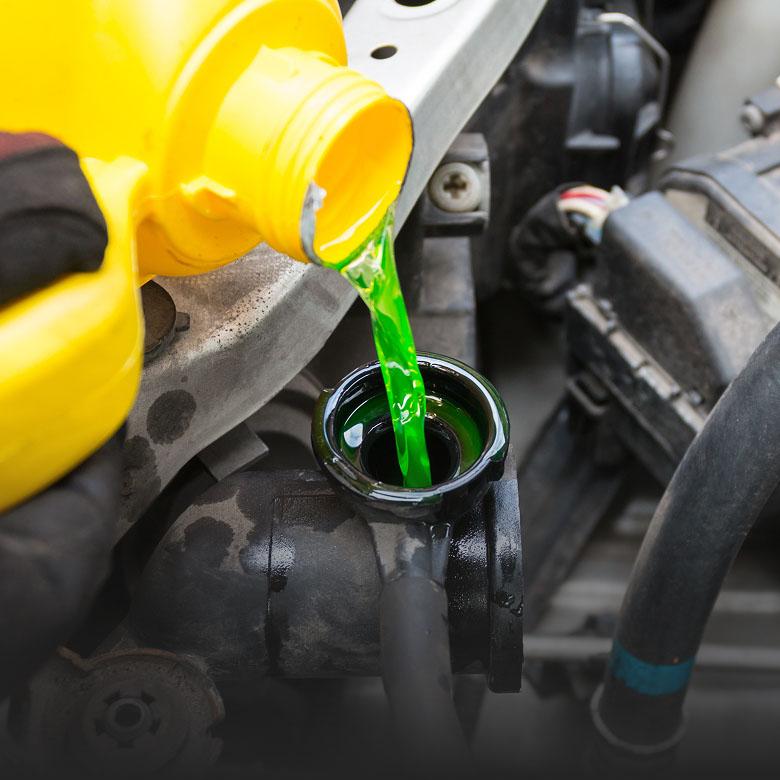
Locate the coolant reservoir under the hood and ensure the engine is cool. Unscrew the cap and pour coolant until it reaches the recommended level.
Adding coolant to your car is essential for its smooth operation. Coolant prevents your engine from overheating. It also protects against corrosion. Here’s how to add coolant correctly.
Opening The Reservoir Cap
First, locate the coolant reservoir. It’s often a white plastic tank. Look for the cap with a thermometer symbol. Make sure the engine is cool before opening. This prevents burns from hot steam. Turn the cap slowly. Let any pressure release first. Once safe, remove the cap completely.
Pouring Coolant Safely
Now, it’s time to add the coolant. Use a funnel to avoid spills. Pour the coolant until it reaches the fill line. This ensures the right amount is added. Check if your car needs diluted or undiluted coolant. Always follow the instructions on the bottle. After filling, replace the reservoir cap tightly. This secures the system and prevents leaks.
Seal And Secure
Ensure the coolant cap is tightly sealed after filling. This prevents leaks and maintains proper engine temperature. Secure the cap firmly to avoid any spills.
Sealing and securing the coolant system in your car is a crucial step that can’t be overlooked. After adding coolant, ensuring everything is properly closed not only helps maintain the efficiency of your car’s engine but also prevents potential leaks that could lead to costly repairs. With a few simple actions, you can confidently seal the deal.
Properly Closing The Cap
Make sure the cap is aligned correctly with the opening. It’s easy to misplace it if you’re not careful, leading to possible leaks. Twist the cap until you hear a click or feel a solid resistance. This indicates a secure seal. Don’t hesitate to double-check. A secure cap keeps the coolant where it needs to be, safeguarding your engine’s health.
Checking For Leaks
After sealing, take a moment to inspect the area around the cap. Look for any signs of drips or moisture. Feel the ground beneath the car for any signs of fluid. Even a small puddle could indicate a problem. Ask yourself: does the engine compartment smell like coolant? A strong odor might be a clue that something’s amiss. Remember, ensuring your car’s coolant system is properly sealed and secure is more than just a routine task—it’s a necessary habit for any car owner. When was the last time you checked under the hood?
Dispose Of Old Coolant
Proper disposal of old coolant is essential for environmental safety. Take used coolant to recycling centers or auto shops. Avoid pouring it down drains or onto the ground to prevent pollution.
Disposing of old coolant is crucial for environmental safety. Improper disposal can harm the ecosystem. Coolant contains chemicals that pollute water and soil. It’s essential to dispose of it responsibly. This section covers eco-friendly disposal methods.
Environmental Disposal Methods
There are several ways to dispose of old coolant safely. One option is to check with your local waste management facility. They often have guidelines for hazardous waste disposal. You can also contact car service stations. Many offer disposal services for old fluids. Be sure to follow their instructions to ensure safe disposal.
Recycling Centers
Recycling centers are another excellent option. Some centers specialize in recycling automotive fluids. They can process old coolant, making it reusable. This reduces environmental impact and saves resources. Search online for local recycling centers. Call ahead to confirm they accept old coolant. Follow their procedures for safe and efficient disposal.
Monitor Coolant Levels
Monitor coolant levels regularly to ensure your car runs smoothly. Locate the coolant reservoir in your engine bay. Slowly add coolant until it reaches the indicated mark.
Monitoring coolant levels is crucial for maintaining your car’s health. Keeping an eye on these levels ensures your engine runs smoothly. Low coolant can lead to overheating, causing severe engine damage. Regular checks prevent costly repairs and extend your vehicle’s lifespan.
Routine Checks
Perform regular checks to avoid surprises on the road. Open the hood and locate the coolant reservoir. It’s usually a transparent container with “Min” and “Max” markings. Check these levels when the engine is cold. This ensures accuracy and safety. If the coolant is below the “Min” mark, add more coolant.
Detecting Coolant Issues
Be alert to signs of coolant problems. Look for puddles under your car. These might indicate a leak. Notice any sweet smell coming from the engine. This could suggest a coolant leak. Watch for rising engine temperature on your dashboard. This signals low coolant levels. Address these issues promptly to avoid engine damage.
Frequently Asked Questions
Can You Just Add Coolant To Your Car?
Yes, you can add coolant to your car. Ensure the engine is cool before opening the radiator cap. Check the coolant levels regularly and use the correct type for your car. Proper maintenance prevents overheating and engine damage. Always follow your vehicle’s manual instructions for safety.
Can I Put Straight Coolant Into My Car?
Using straight coolant can harm your car’s engine. Always mix coolant with water as per the manufacturer’s instructions. Mixing ensures efficient cooling and prevents overheating. Consult your vehicle’s manual for the correct coolant-to-water ratio. Properly mixed coolant protects against corrosion and maintains engine performance.
Can We Directly Pour Coolant In A Car?
Yes, you can pour coolant directly into a car. Ensure the engine is cool before adding. Use the correct type specified in the owner’s manual. Avoid overfilling the reservoir. Properly maintaining coolant levels helps prevent overheating and engine damage. Regularly check levels for optimal performance and safety.
Do I Leave The Car Running When Adding Coolant?
No, turn off the car before adding coolant. Ensure the engine is cool to prevent burns or damage. Adding coolant to a running engine can cause serious hazards. Always check the owner’s manual for specific instructions related to your vehicle’s coolant system.
Safety first to avoid accidents.
Conclusion
Topping up your car’s coolant is simple and crucial. It keeps your engine cool and prevents overheating. Always check the coolant level regularly. Follow the steps carefully to ensure safety. Use the right type of coolant for your car. Avoid spills and clean up any mess.
Ensure the engine is cool before starting. This prevents burns and accidents. A well-maintained coolant system ensures smooth driving. With these tips, you can easily manage your car’s coolant. Your car will thank you with better performance and longevity. Stay safe and drive smart!