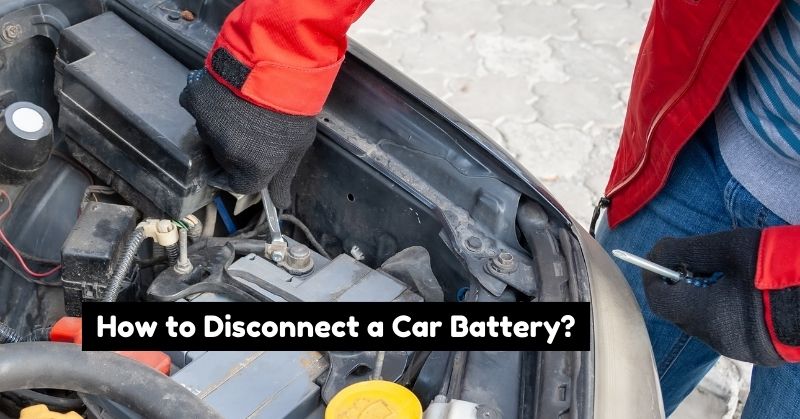
Are you ready to take control of your car maintenance and save a few bucks in the process? Detaching your car battery might seem like a daunting task, but it’s simpler than you think.
Imagine the sense of accomplishment you’ll feel once you master this essential skill. Not to mention, knowing how to safely disconnect your car battery can prevent unexpected mishaps and extend your battery’s life. Whether you’re swapping out an old battery or preparing your car for long-term storage, this guide will walk you through the steps with ease.
Get ready to boost your confidence and empower yourself with practical knowledge. Let’s dive into the details of how to detach a car battery safely and efficiently.

Credit: www.tycorunenergy.com
Safety Precautions
Ensure the car is turned off and parked on a flat surface. Use gloves and safety goggles to protect yourself. Disconnect the negative cable first, followed by the positive cable, to safely detach the car battery.
Detaching a car battery requires careful attention to safety precautions. Handling batteries involves risks that can harm you or your vehicle. By following specific guidelines, you can ensure a safe and smooth process. Let’s dive into the key safety measures to consider.
Wear Protective Gear
Protective gear keeps you safe from battery acid and other hazards. Always wear gloves and safety goggles before starting the process. These items shield your skin and eyes from harmful chemicals. Clothing that covers your arms is also recommended.
Ensure Vehicle Is Off
The vehicle must be completely off to prevent electrical shocks. Double-check that the ignition is turned off before proceeding. Confirm that no electrical systems are active. This step is crucial for your safety.
Avoid Sparking Hazards
Sparks can cause serious injuries and damage. Disconnect the negative cable first to minimize risk. Keep metal tools away from the battery terminals to prevent accidental sparks. Be cautious with the positioning of cables and tools.
Credit: www.familyhandyman.com
Gathering Tools
Before you dive into detaching your car battery, it’s crucial to gather the right tools. Proper preparation ensures not only a smooth process but also safety and efficiency. Remember, even a simple task like detaching a battery can be daunting without the right equipment. What tools should you have ready?
Wrench Selection
Choosing the right wrench is essential for tackling the battery terminals. A socket wrench is often the go-to choice due to its versatility and ease of use. However, a combination wrench can be handy for tight spaces. Ensure you have both metric and standard sizes available to cover different types of nuts and bolts. Have you ever struggled to loosen a bolt with the wrong tool? Avoid that frustration by selecting the right wrench.
Battery Terminal Cleaner
A battery terminal cleaner is not just a luxury; it’s a necessity. Corrosion can seriously hinder your progress, making it difficult to remove the connectors. Use a wire brush or terminal cleaner spray to scrub away any buildup. Maintaining clean terminals can extend the battery life and improve performance. Have you considered how often you clean your battery terminals?
Safety Goggles And Gloves
Protective gear is non-negotiable when working with car batteries. Safety goggles shield your eyes from potential acid splashes, while gloves protect your hands from corrosive materials. Opt for durable gloves that provide both flexibility and protection. Safety might not seem thrilling, but it’s vital. What protective measures do you usually take when working on your car?
Locating The Battery
Find the battery under the hood, usually near the engine. It’s a rectangular block with two cables attached. Look for a plastic cover or metal clamp that secures it in place.
Locating the battery in your car is essential before detaching it. The battery is often hidden under the hood, or sometimes in the trunk. Knowing its location saves time and prevents errors. This section guides you through finding your car battery with ease. Let’s dive into the steps.
Consult Vehicle Manual
The vehicle manual is your best friend for this task. It contains detailed instructions specific to your car model. Look for the section about the electrical system. This section often includes diagrams of the car’s layout. Following these guides will lead you to the battery’s exact spot. Manuals are especially helpful for newer models with complex designs.
Identify Battery Position
The battery is typically found under the hood. Open the hood and check near the front or side. Some cars have the battery in the trunk or under seats. Spotting the battery is easy once you know where to look. It is usually a rectangular box with two cables attached. If unsure, search online for your car’s battery location. Many online forums have pictures and advice from other car owners.
Disconnecting The Negative Cable
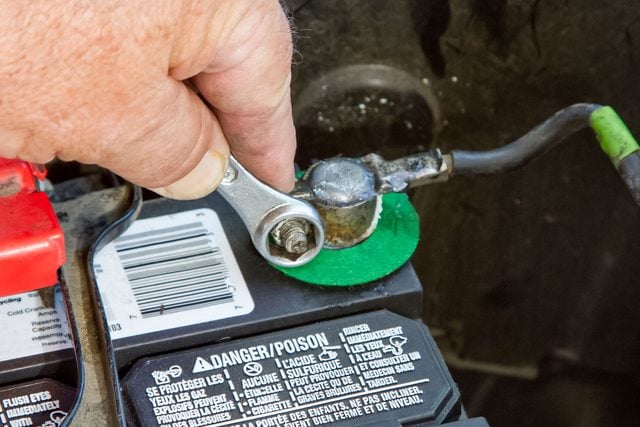
Disconnecting the negative cable is a key step in detaching a car battery. Ensure the vehicle is off, then use a wrench to loosen the nut on the negative terminal. Carefully pull the cable away to prevent electrical shorts.
Disconnecting the negative cable is a crucial step when detaching your car battery. It’s essential to do this safely and correctly to prevent any electrical mishaps. Ensuring that you disconnect the negative cable first helps in avoiding short circuits and is a fundamental practice for anyone handling car batteries.
Loosen The Clamp Bolt
Begin by identifying the negative terminal, usually marked with a minus sign (-) or a black cover. Use the appropriate wrench to gently turn the clamp bolt counterclockwise. The goal is to loosen it just enough so the cable can slide off easily without applying excessive force. Make sure your wrench doesn’t touch any metal parts of the car while working on the bolt. This simple caution can save you from unwanted sparks or shocks.
Remove The Cable
Once the clamp bolt is loosened, carefully lift the negative cable off the battery terminal. If it’s a bit stuck, gently wiggle it back and forth. Avoid using any metal tools for prying, as this can cause damage or a short circuit. After removing the cable, place it away from the battery to prevent accidental reconnection. Consider laying it on a non-conductive surface or securing it with a cable tie. Have you ever wondered why the negative cable is always removed first? This step minimizes the risk of a short circuit, protecting both you and your vehicle’s electrical system.
Disconnecting The Positive Cable
Begin by ensuring the car is off and the keys are removed. Locate the positive cable connected to the battery. Carefully loosen the clamp with a wrench and detach it, avoiding any contact with metal surfaces.
Disconnecting the positive cable of your car battery is a crucial step in ensuring your safety and the longevity of your vehicle’s electrical system. It’s a task that may seem daunting at first, but with the right guidance, it becomes quite straightforward. Before you start, make sure your car is turned off and the keys are removed from the ignition. This prevents any accidental electrical contact. Additionally, it’s a good practice to wear safety gloves and goggles to protect yourself from any potential hazards.
Loosen The Clamp Bolt
To begin, locate the positive terminal of your car battery, usually marked with a plus sign (+) or a red cover. Use a wrench or a socket that fits snugly over the clamp bolt. Turn the wrench counterclockwise to loosen the bolt. You don’t need to remove it completely; just enough to free the cable from the terminal. Sometimes, these bolts can be a bit stubborn. If it feels tight, apply gentle pressure rather than forcing it. Have you ever noticed how a simple twist can make all the difference?
Remove The Cable
Once the clamp is loosened, carefully lift the cable off the terminal. Ensure that the cable does not touch any metal part of the car to avoid accidental grounding. If the cable feels stuck, gently wiggle it back and forth to ease it off the terminal. You might be tempted to yank the cable, but patience is key here. A gentle touch ensures that you don’t damage the cable or the terminal. This simple act of care can save you from future headaches. By successfully disconnecting the positive cable, you’re one step closer to safely detaching your car battery. It’s an empowering experience to know you can handle your vehicle’s maintenance with confidence. What other tasks might you tackle next?
Removing The Battery
To detach a car battery, first ensure the car is off and parked securely. Use a wrench to loosen the negative cable, then remove it. Repeat with the positive cable, and carefully lift the battery out.
Removing the battery from your car is a crucial step if you’re looking to replace it or perform some maintenance. While it may seem daunting, with the right approach, it becomes a straightforward task. Ensuring you follow the correct steps not only makes the process smoother but also keeps you safe. Here’s how you can efficiently remove a car battery:
Detach Any Hold-downs
Begin by inspecting your battery to identify any hold-downs securing it in place. These are typically clamps or brackets that prevent the battery from moving while driving. Use a wrench or a socket to loosen and remove these hold-downs. Remember to keep the removed parts in a safe place to avoid misplacement. Have you ever misplaced a crucial part while working on your car? It’s a common mistake, so keeping a small container nearby can be a lifesaver.
Lift Battery Safely
Once the hold-downs are detached, you’re ready to lift the battery. It’s essential to note that car batteries are heavier than they look. Always use both hands to ensure a firm grip. Consider wearing gloves to protect your hands from any acid residue that may be present on the battery surface. Gently lift the battery straight up to avoid any unnecessary strain on your back. Have you ever wondered why your back hurts after a seemingly simple task? Improper lifting techniques are often the culprit, so always lift with care. By focusing on these steps, you ensure a safe and efficient battery removal process.
Post-removal Tips
Ensure all tools are stored safely after detaching the car battery. Double-check connections are secure to avoid mishaps. Clean battery terminals to prolong battery life and prevent corrosion.
After successfully detaching your car battery, the journey doesn’t end there. Maintaining the battery area can significantly impact your vehicle’s performance and longevity. Let’s delve into some essential post-removal tips that ensure your car remains in top condition, even without the battery in place.
Inspect For Corrosion
Corrosion can be a silent destroyer, weakening connections and causing electrical failures. After removing the battery, take a moment to inspect the terminals and surrounding areas for any signs of corrosion. Look for white or bluish-green powdery deposits—these are clear indicators of corrosion. Using a simple mixture of baking soda and water, gently clean any affected areas. This not only neutralizes the acid but also prevents further damage. Isn’t it fascinating how something so common in your kitchen can protect your car’s health?
Clean Battery Tray
The battery tray often collects dirt and debris, which can lead to rust and compromise the structure. Without the battery in place, it’s the perfect time to clean this area. Using a damp cloth or sponge, wipe down the tray thoroughly. For stubborn dirt or rust, a mild detergent or specialized car cleaner can be used. A clean battery tray not only enhances the appearance but also ensures a stable base for the battery when it’s reinstalled. You might be surprised how a little cleaning can make a big difference in preventing future issues. What other post-removal practices do you find effective? Share your insights and let’s make car maintenance a breeze together!

Credit: www.youtube.com
Storing The Battery
Securely store the car battery by first detaching it safely. Disconnect the negative cable, then the positive. Keep the battery in a cool, dry place.
Storing the battery properly extends its lifespan and maintains performance. After detaching the car battery, it’s crucial to store it safely. This prevents damage and ensures reliability when reused. Let’s explore the key aspects of battery storage.
Select A Safe Location
Choose a dry, well-ventilated spot for battery storage. Moisture can cause corrosion and damage the battery. Keep it away from children and pets to prevent accidents. Use a sturdy shelf or table to avoid tipping.
Avoid Temperature Extremes
Temperature affects a battery’s health significantly. Store it in a place with stable temperatures. Extreme heat or cold can reduce battery efficiency. Aim for a temperature range of 32°F to 80°F. This ensures the battery remains in good condition.
Frequently Asked Questions
Which Battery Terminal Do You Take Off First?
Remove the negative battery terminal first to prevent short-circuiting. Disconnect the black (negative) cable before the positive. This ensures safety and avoids accidental sparks or damage. Always wear safety gear and follow instructions for battery removal carefully.
What Is The Proper Way To Disconnect A Battery From A Car?
Turn off the engine and ensure the car is in park. Remove the negative cable first, then the positive. Use the correct tools and avoid touching metal. Reconnect in reverse order when needed. This prevents short circuits and ensures safety.
What Is The Correct Order To Connect And Disconnect A Car Battery?
To disconnect a car battery, remove the negative cable first, then the positive. Connect in reverse order: positive cable first, then negative. Always ensure the engine is off and use protective gear. This prevents short circuits and ensures safety.
Is It Safe To Disconnect A Car Battery With Hands?
Disconnecting a car battery with bare hands is unsafe. Use insulated tools and wear gloves to prevent shocks. Always follow safety precautions to ensure a safe disconnection. Disconnect the negative terminal first to avoid electrical shorts or sparks. Proper safety measures prevent accidents and ensure a secure battery removal.
Conclusion
Detaching a car battery is a simple task with care and patience. Remember to wear gloves for safety. Turn off the engine before starting. Remove the negative cable first to prevent sparks. Keep tools handy for loosening bolts. Make sure to store the battery upright.
Check for corrosion and clean terminals. Dispose of old batteries properly. These steps help you disconnect safely. Regular maintenance ensures the car runs smoothly. Learn and practice these steps for future tasks. Keep your vehicle in top shape with regular care.
Safety should always be your priority.