
When was the last time you thought about your car battery? You might only think about it when your car struggles to start.
The lifespan of a car battery is a crucial detail that many overlook until it’s too late. How long are car batteries good for, really? Understanding this can save you time, money, and the frustration of being stranded with a dead battery.
You’ll discover what affects your car battery’s longevity and how you can extend its life. Stay with us, because knowing this could mean the difference between a smooth drive and an unexpected call to roadside assistance.
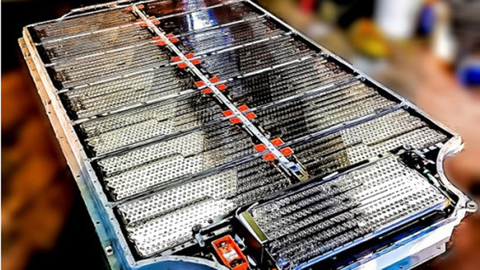
Credit: ev-lectron.com
Car Battery Basics
Understanding car battery basics is crucial for every vehicle owner. The battery is the heart of your car’s electrical system, powering everything from the ignition to the headlights. Knowing how it works and what types are available can save you from unexpected breakdowns and costly replacements.
Components And Functionality
At its core, a car battery consists of several key components: lead plates, sulfuric acid, and a plastic casing. These components work together to store electrical energy and deliver it when needed. The lead plates and sulfuric acid create a chemical reaction that generates electricity. This electricity powers the starter motor, ignition system, and other electrical components in your car.
Ever noticed how your car lights dim when the battery is low? This happens because the battery’s ability to store and deliver power diminishes over time. Regularly checking the battery’s voltage and ensuring it’s charged can prevent such issues. If you’ve ever had to jump-start your car, you know firsthand how vital a healthy battery is.
Common Types
Car batteries come in various types, each with unique features and benefits. The most common are lead-acid, AGM (Absorbent Glass Mat), and lithium-ion batteries. Lead-acid batteries are affordable and reliable, making them a popular choice for many vehicles. However, they require regular maintenance to ensure longevity.
AGM batteries offer a maintenance-free experience and are designed to handle more demanding power requirements. They are ideal for vehicles with advanced electronic systems. Lithium-ion batteries, while less common in cars, provide excellent performance and longer life. They are often used in electric and hybrid vehicles.
Choosing the right battery type for your vehicle can make a significant difference in performance and durability. Have you considered the impact of extreme temperatures on battery life? Ensuring you pick a battery suited to your climate can extend its lifespan and reliability.

Credit: www.facebook.com
Factors Affecting Lifespan
Car batteries have a limited lifespan. Several factors influence how long they last. Understanding these can help you get the most out of your battery.
Climate Influence
Climate plays a significant role in battery life. Extreme temperatures can damage batteries. Hot weather causes the battery fluid to evaporate. Cold weather can cause the battery to discharge faster. In moderate climates, batteries tend to last longer.
Driving Habits
Driving habits impact battery lifespan. Short trips prevent the battery from fully charging. Frequent stops and starts strain the battery. Regular, longer drives help maintain battery health. Consistent driving patterns can extend battery life.
Maintenance Practices
Proper maintenance extends battery life. Regularly check battery connections. Clean any corrosion from terminals. Ensure the battery is securely mounted. Inspect the battery for damage or leaks. Proper maintenance can prevent premature failure.
Signs Of A Failing Battery
Car batteries typically last 3-5 years. Dimming headlights and slow engine crank are signs of a failing battery. Sudden battery failure can occur after extended use, especially in extreme temperatures.
Detecting a failing car battery can prevent unexpected breakdowns. Knowing the signs helps you stay ahead. Recognizing these signs early can save trouble on the road.Performance Indicators
A slow engine start signals battery trouble. Listen for sluggish cranking. If the car takes longer to start, it’s a warning. Dim headlights are another clue. If lights fade when starting, check the battery. Electronics acting up? It’s not just annoying. Weak battery power can disrupt radio or navigation.Visual Cues
Inspect the battery closely. Look for corrosion around terminals. White or green residue indicates acid leakage. Swollen battery case? It’s a sign of overheating. Cracks or leaks need immediate attention. Check for loose or frayed cables. These can cause poor connections.
Credit: www.youtube.com
Extending Battery Life
Car batteries typically last three to five years. Regular maintenance can extend their lifespan. Extreme temperatures and frequent short trips may reduce battery life.
Extending Battery Life Car batteries don’t last forever, but with some effort, you can extend their lifespan significantly. It’s not just about keeping your car running smoothly; it’s also about saving money and avoiding unexpected breakdowns. So, what are the secrets to getting the most out of your car battery?Routine Maintenance
Routine maintenance is crucial for prolonging your battery’s life. Start by regularly checking the battery terminals for corrosion. A simple cleaning with a mixture of baking soda and water can work wonders. Ensure your battery is securely fastened. Loose batteries can vibrate, leading to internal damage. A quick check can prevent this. Keep an eye on the battery fluid levels if you have a non-sealed battery. Topping up with distilled water can prevent overheating and preserve battery health.Optimal Usage Tips
How you use your car can greatly affect battery life. Short trips can drain the battery because the alternator doesn’t have enough time to recharge it. Consider combining errands to reduce these short drives. Avoid using electronics when the engine is off. It’s tempting to listen to music or charge your phone, but this drains the battery quickly. If your car is parked for extended periods, invest in a battery maintainer. It keeps the battery charged without overcharging it, ensuring it’s ready when you need it. Have you noticed a difference in battery life with these practices? Implementing these tips might just save you from a dead battery on a cold winter morning.Choosing The Right Replacement
Choosing the right car battery replacement can be confusing. A proper fit ensures your vehicle runs smoothly. This guide helps you make an informed decision. Consider key factors before buying a new battery. Your choice affects performance and longevity.
Battery Specifications
Check your car’s manual for battery specifications. Look for size, reserve capacity, and cold cranking amps (CCA). These details ensure compatibility with your vehicle. A wrong size can lead to installation issues. Insufficient CCA affects your car’s start in cold weather. Proper specifications ensure optimal performance.
Brand And Quality Considerations
Not all battery brands offer the same quality. Trusted brands often provide better performance and longevity. Cheap options may save money upfront but cost more in the long run. Consider warranties and customer reviews. These insights help determine reliability and satisfaction. A good quality battery reduces frequent replacements.
Environmental Impact
Car batteries play a vital role in powering our vehicles, but have you ever considered their environmental impact? As they age and eventually expire, the disposal process of these batteries can significantly affect our planet. Understanding the journey from disposal to sustainable alternatives can inspire you to make more eco-friendly choices.
Recycling And Disposal
Many people overlook the importance of recycling car batteries. Yet, recycling is crucial because it prevents toxic elements like lead and sulfuric acid from contaminating the environment. Instead of discarding old batteries, take them to a designated recycling center.
Recycling facilities extract valuable materials from old batteries, which can be reused. This not only conserves resources but also reduces the need for new raw materials. So, next time your car battery dies, think about how recycling can make a difference.
Sustainable Alternatives
Have you considered switching to more sustainable battery options? Innovations like lithium-ion and nickel-metal hydride batteries offer a greener choice. These batteries are less harmful to the environment and have a longer lifespan.
Opting for sustainable alternatives can lessen your carbon footprint. Additionally, these batteries are often more efficient, saving you money in the long run. Could this be your next step in contributing to a healthier planet?
Frequently Asked Questions
How Do I Know When My Car Needs A New Battery?
A new battery is needed if your car struggles to start, has dim lights, or frequently needs a jumpstart. Unusual electrical issues or a bloated battery case also indicate replacement. Regularly check the battery’s age; most last 3-5 years.
What Is The Average Life Of A Car Battery?
A car battery typically lasts between 3 to 5 years. Factors like climate, usage, and maintenance can affect lifespan. Regular checks and proper care can extend battery life. Consider replacing it if you notice slow engine cranks or dim lights.
Always consult a professional for accurate diagnosis and replacement.
Should A 7 Year Old Car Battery Be Replaced?
Yes, consider replacing a 7-year-old car battery. Car batteries typically last 3-5 years. Aged batteries can fail unexpectedly. Regular checks ensure reliability.
How Long Is A Car Battery Good For Sitting?
A car battery can last around two to three months when sitting unused. Regular checks and maintenance can extend its lifespan. Ensure the battery is fully charged and disconnect it to prevent drainage, especially in cold weather. Consider using a trickle charger to maintain its health.
Conclusion
Car batteries usually last between three to five years. Their lifespan depends on usage and maintenance. Regular checks help ensure reliability. Extreme weather can shorten battery life. Avoid leaving lights on to prevent drain. Replacing old batteries on time avoids breakdowns.
Choosing the right battery type for your car matters. Always keep terminals clean for better performance. Buying a high-quality battery can save money in the long run. Remember, a healthy battery keeps your car running smoothly. Consider professional advice if unsure about your battery’s health.
Stay informed and proactive for a hassle-free driving experience.