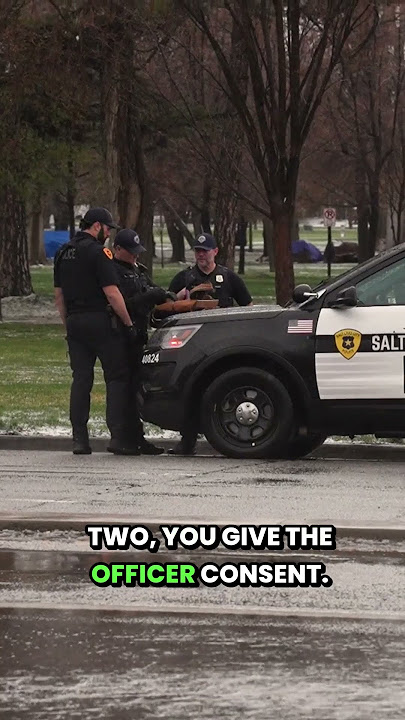
Imagine you’re driving home after a long day. Suddenly, you see flashing lights in your rearview mirror.
A police officer approaches your car, and before you know it, they’re asking to search your vehicle. Panic sets in. What are your rights? Can they do this without a warrant? These questions might race through your mind, and it’s crucial to know the answers.
Your car is your private space, and understanding your rights can empower you in these situations. You’ll discover when a police officer can legally search your car without a warrant and what you can do to protect your rights. Don’t let uncertainty catch you off guard. Equip yourself with knowledge, and keep reading to ensure you’re prepared for any scenario.

Credit: www.shouselaw.com
Legal Basis For Car Searches
Understanding the legal basis for car searches can be crucial. Police officers often face situations where a car search may be necessary. Knowing the rules helps protect your rights. There are specific circumstances under which an officer can search your vehicle without a warrant.
Probable Cause
Probable cause allows an officer to search your car if they suspect a crime. This means they must have reasonable grounds to believe illegal activity is occurring. Evidence or behavior can trigger probable cause. For example, visible contraband or suspicious actions might justify a search.
Consent To Search
If you voluntarily agree, an officer can search your car. Consent must be given freely and without pressure. You have the right to refuse consent. Refusing doesn’t mean you are guilty of a crime. It’s important to know that consenting makes the search legal without a warrant.
Plain View Doctrine
The plain view doctrine is another rule officers follow. If illegal items are clearly visible, they can search. This applies even if they don’t have a warrant. The items must be in plain sight from outside the vehicle. This doctrine is designed to prevent hiding evidence.

Credit: www.youtube.com
Exceptions To Warrant Requirement
Police can search your car without a warrant in certain situations. If they have probable cause, it’s allowed. Consent, visible evidence, or emergencies can justify warrantless searches too.
Navigating the complexities of law enforcement can be daunting, especially when it involves the search of your car. Knowing the exceptions to the warrant requirement can empower you with the knowledge to understand your rights. Imagine driving to a friend’s house when suddenly, you’re pulled over by a police officer. In such moments, understanding the exceptions to the warrant requirement becomes crucial.Search Incident To Arrest
If you’re arrested, a police officer can search your car without a warrant. This search is directly linked to the arrest itself. It means if you’re taken into custody, the officer may look for evidence related to the crime for which you’ve been arrested. Consider a situation where someone is arrested for drug possession—the officer may search the vehicle for more drugs.Automobile Exception
The automobile exception allows officers to search your vehicle without a warrant if they have probable cause to believe it contains evidence of a crime. This stems from the fact that cars are mobile, and evidence could easily be moved or destroyed. So, if an officer sees something suspicious through your window, like an illegal weapon, they might proceed with a search.Exigent Circumstances
Exigent circumstances cover urgent situations where waiting for a warrant could lead to the loss of evidence or escape of a suspect. Imagine a scenario where a car is involved in a hit-and-run accident; the urgency to find evidence before it’s removed might justify a warrantless search. These situations demand quick action, often leaving officers with no time to seek a warrant. Understanding these exceptions can be empowering. Have you ever wondered what you would do if faced with such circumstances? Knowing your rights and these exceptions could be crucial in such encounters.Your Rights During A Traffic Stop
Police can search your car without a warrant if they have probable cause. This means they suspect illegal items are inside. Your consent is also a reason for a search. Always know your rights and ask why a search is requested.
During a traffic stop, understanding your rights is crucial. Knowing what you can and cannot do helps protect your interests. It also ensures the encounter remains fair and respectful. Drivers often feel anxious during stops. Familiarity with your rights can ease this tension.Right To Refuse Consent
You can refuse a search of your car. Officers may ask for permission, but you have the right to say no. This refusal can be verbal. You don’t need to sign anything. If asked, politely decline consent. Your refusal should be clear and respectful.Right To Remain Silent
You don’t have to answer all questions. You may share basic information like your name and address. For other questions, you can stay silent. Simply state you choose to remain silent. This is your legal right. It helps protect your privacy.Right To Ask Questions
You can ask the officer questions. Inquire why you were stopped. Ask if you are free to leave. These questions clarify the situation. Ensure your tone is polite. This maintains a respectful interaction. Your questions help understand your position.
Credit: www.youtube.com
What To Do If Your Rights Are Violated
Police can search your car without a warrant if they have probable cause. This means they must suspect illegal activity. If you believe your rights were violated during a search, contact a lawyer immediately.
If a police officer searches your car without a warrant, it may violate your rights. Knowing how to respond is crucial. Understanding your options can empower you. Taking the right steps ensures your voice is heard. Protecting your rights starts with awareness and action.Document The Incident
Write down everything you remember. Include the officer’s name and badge number. Note the time and location of the search. Describe any conversations you had with the officer. Use your phone to record details. Gather any witnesses who saw the event. Their statements can be valuable later.Seek Legal Advice
Contact a lawyer who specializes in civil rights. They can guide you through the legal process. Explain the situation and share your documentation. A lawyer helps determine if your rights were violated. They can advise on next steps. Their expertise is crucial for understanding legal complexities.File A Complaint
Submit a complaint to the police department. Provide all your documentation and witness statements. Be clear and concise in your report. It can prompt an investigation into the officer’s actions. Complaints can lead to changes in police conduct. Follow up on the status of your complaint regularly.Impact Of Illegal Searches
Illegal searches can significantly affect your rights and legal standing. If a police officer searches your car without a warrant, it may lead to various consequences. Understanding these impacts can help you protect your rights.
Exclusionary Rule
The exclusionary rule prevents illegally obtained evidence from being used in court. This rule aims to protect citizens from unlawful police actions. If evidence is gathered through an illegal search, it is often inadmissible.
Suppression Of Evidence
Suppression of evidence is a key result of illegal searches. If the court finds the search violated your rights, the evidence may be suppressed. This means the evidence cannot be used against you in your case.
Legal Recourse
You have legal options if you face an illegal search. You can file a motion to suppress the evidence. This step can strengthen your defense and support your case. Consulting a lawyer can guide you through this process effectively.
Tips For Handling Police Encounters
Understanding your rights can ease stress during police encounters. Officers may search your car without a warrant if they have probable cause. It’s vital to know what constitutes probable cause to protect your rights effectively.
Encountering a police officer can be a nerve-wracking experience, especially if you’re unsure about your rights during a car search. Knowing how to handle such situations can make a significant difference. Here are some practical tips to help you navigate police encounters with confidence.Stay Calm And Polite
Your demeanor can set the tone for the entire interaction. Remaining calm and polite is crucial. This doesn’t mean you have to agree with everything the officer says, but being respectful can prevent the situation from escalating. Avoid making sudden movements, as they might be misinterpreted. If you need to reach for something, inform the officer first. For example, “I need to get my registration from the glove compartment.”Know Your Rights
Understanding your rights is empowering. In most cases, officers need probable cause to search your car without a warrant. You have the right to ask why they’re requesting a search. Politely inquire, “Officer, may I ask what the probable cause is for the search?” This can clarify the situation and remind the officer that you’re aware of your rights.Record The Interaction
Documenting the encounter can be beneficial, especially if you feel your rights are being violated. Use your smartphone to record the interaction, but inform the officer you’re doing so to maintain transparency. Ensure your phone is visible and easily accessible to avoid misunderstandings. Recording can provide evidence if you need to contest the officer’s actions later. Approaching police encounters with preparation can make all the difference. Are you ready to handle the unexpected with confidence?Frequently Asked Questions
Can You Refuse A Car Search In Texas?
Yes, you can refuse a car search in Texas if the police lack probable cause or a warrant. You must clearly state your refusal. However, consent is not needed if they have legal grounds, like evidence of a crime. Always stay calm and respectful during the interaction.
Is A Warrant Required To Search A Car?
Police can search a car without a warrant if they have probable cause. Probable cause might include visible evidence or suspicious activity. Always consult legal advice for specific situations. This helps ensure your rights are protected during vehicle searches.
What Are The Three Types Of Vehicle Searches?
The three types of vehicle searches are consent searches, probable cause searches, and inventory searches. Consent searches occur when a driver voluntarily allows a search. Probable cause searches happen when police have reason to believe there’s evidence of a crime.
Inventory searches are conducted to catalog items when a vehicle is impounded.
Can The Police Track Your Vehicle Without A Warrant?
Police generally need a warrant to track a vehicle using GPS. Exceptions include emergencies or public safety concerns. Always consult legal advice for specifics.
Conclusion
Understanding car search laws protects your rights on the road. Police need specific reasons to search your car without a warrant. Knowing these reasons helps you respond calmly during traffic stops. Stay informed about your legal rights. This knowledge empowers you in unexpected situations.
Always ask questions if unsure about your rights. Clear communication can ease tension during interactions. Remember, your rights are important. Being aware can make a difference in how situations unfold. Stay prepared and informed. Knowledge is your best tool for a safe journey.