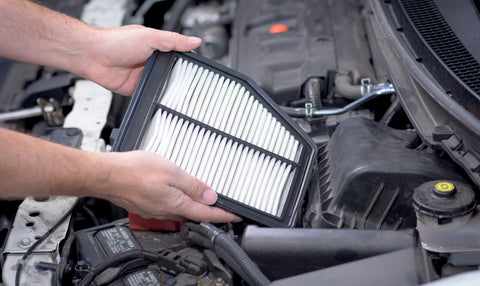
Ever wondered about the secret behind your car’s smooth performance and clean engine? It’s time to lift the hood and discover the unsung hero: the air filter.
Imagine if you could boost your car’s efficiency and longevity with just a small, simple component. Intrigued? You should be. Understanding what an air filter does in a car could save you money and keep your vehicle purring like a kitten.
Stick around as we unveil how this humble part plays a crucial role in your car’s health, and why neglecting it might be costing you more than you think. Get ready to drive smarter and safer with insights that could transform your car maintenance routine.

Credit: www.carsales.com.au
Role Of An Air Filter
Air filters in cars trap dust, dirt, and debris, preventing them from entering the engine. They ensure clean airflow, enhancing engine performance and efficiency.
The air filter in your car plays an essential role in maintaining optimal engine performance and longevity. Just like how you need clean air to breathe, your car’s engine requires clean air for efficient combustion. The air filter is your car’s first line of defense against harmful particles that can damage the engine.How Does An Air Filter Work?
The air filter is designed to trap dirt, dust, and debris before they enter the engine. As air flows through the filter, these particles are caught in the filter’s fibers. This ensures that only clean air reaches the engine, allowing it to function smoothly and efficiently.Impact On Engine Performance
A clean air filter ensures that the engine receives the appropriate amount of air for combustion. This results in better fuel efficiency and engine power. When the air filter is clogged, the engine struggles to breathe, leading to decreased performance and increased fuel consumption.Protecting Engine Components
The air filter also plays a crucial role in safeguarding delicate engine components. By preventing contaminants from entering the engine, it minimizes wear and tear on vital parts, such as cylinders and pistons. This protection translates to fewer repairs and a longer engine life.Signs Your Air Filter Needs Replacement
You might wonder how to know when it’s time to change your air filter. Common signs include reduced horsepower, unusual engine sounds, and decreased fuel efficiency. Regular checks and timely replacements can keep your car running smoothly.Personal Experience With Air Filters
I remember ignoring a routine air filter check, thinking it wasn’t a big deal. My car’s fuel efficiency plummeted, and a strange noise started emanating from the engine. It turned out to be a clogged air filter. A quick replacement brought my car back to its usual performance. It was a lesson in how something so simple can have a significant impact on your vehicle’s health. Have you ever considered how a small component like an air filter can affect your car’s performance? Next time you check your car, remember that a clean air filter is a key to a healthy engine.Types Of Air Filters
Air filters in cars clean the air entering the engine, ensuring dust and debris are kept out. Different types include paper, foam, and cotton filters, each offering unique benefits and levels of filtration efficiency. Proper air filter maintenance improves engine performance and longevity.
Understanding the different types of air filters available for your car can make a significant difference in its performance and longevity. Choosing the right filter is crucial as it directly influences the engine’s efficiency by ensuring clean air intake. Let’s explore the various options you have when it comes to air filters.Paper Filters
Paper filters are the most common type found in vehicles. They are affordable and easy to replace. These filters are made from pleated paper and are designed to trap dust and debris effectively. However, they may need frequent replacement, especially if you drive in dusty conditions. Do you often drive on dirt roads? If yes, keeping an eye on your paper filter’s condition is essential. It might get clogged more quickly, reducing airflow to the engine.Foam Filters
Foam filters are known for their durability and reusability. They are made from polyurethane foam that can be washed and reused multiple times. This type is popular in off-road vehicles where dust and dirt are prevalent. These filters are a great investment if you’re environmentally conscious. You save money and reduce waste by not needing to replace them as often as paper filters. Plus, they can handle more dirt, making them ideal for adventurous drives.Cotton Gauze Filters
Cotton gauze filters are often used in high-performance vehicles. They consist of layers of cotton gauze sandwiched between aluminum wire mesh. This allows for maximum airflow while still providing excellent filtration. Are you looking to enhance your car’s performance? Cotton gauze filters might be the perfect choice. They can improve engine efficiency and horsepower by allowing more air into the engine, giving you that extra boost on the road. Choosing the right air filter not only impacts your car’s performance but also affects how you feel while driving. Which filter aligns best with your driving habits and environment? Your choice can make all the difference.How Air Filters Work
Air filters play a crucial role in maintaining a car’s performance. They ensure clean air enters the engine by trapping dirt and debris. Understanding how air filters work helps in appreciating their importance.
Filtration Process
The filtration process begins as air flows through the filter. Air filters are typically made of paper, foam, or cotton. These materials are designed to capture particles. Dust, pollen, and other contaminants are trapped. This prevents them from entering the engine. Clean air is essential for efficient combustion. An effective filter maintains engine health.
Impact On Airflow
Airflow is vital for engine efficiency. A clean air filter allows smooth airflow. Improved airflow supports better fuel combustion. This leads to optimal engine performance. Clogged filters restrict airflow. Restricted airflow can cause engine strain. Regular filter replacement ensures consistent airflow. This simple maintenance step helps in avoiding engine issues.
Benefits Of A Clean Air Filter
A clean air filter is often overlooked, yet it plays a crucial role in the overall health and performance of your car. You might be surprised at how this simple component can impact your driving experience. Let’s dive into the benefits of maintaining a clean air filter.
Enhanced Engine Performance
Think of your car’s engine as a marathon runner. Just like an athlete needs clean air to perform their best, your engine requires unobstructed airflow to function efficiently. A clean air filter ensures that your engine receives the right amount of air, preventing dirt and debris from entering. This leads to smoother acceleration and more responsive driving.
Imagine driving up a steep hill with a clogged air filter. Your engine struggles, reducing power and performance. Keeping your air filter clean helps maintain optimal engine power, making every drive enjoyable and stress-free.
Improved Fuel Efficiency
Did you know that a clean air filter can save you money at the pump? A well-maintained air filter helps your engine burn fuel more efficiently. When the air filter is clean, the air-to-fuel ratio is balanced, which means the engine doesn’t have to work harder, consuming less fuel.
Consider how much you could save on fuel costs over time. Regularly checking and replacing your air filter is a simple task that can lead to significant savings. It’s a small investment for long-term benefits.
Reduced Emissions
Environmental concerns are more pressing than ever, and every car owner can contribute to reducing emissions. A clean air filter promotes better combustion, reducing the amount of carbon dioxide and other pollutants released into the air.
Imagine the collective impact if every car owner ensured their air filter was clean. Cleaner air filters mean cleaner air for everyone. It’s a proactive step towards a healthier planet and a cleaner environment.
Have you ever wondered how such a small part can have such a big impact? Next time you’re maintaining your car, pay attention to the air filter. It’s not just a component; it’s a gateway to better performance, efficiency, and environmental responsibility.
Signs Of A Dirty Air Filter
A car’s air filter traps dirt and debris, ensuring clean air reaches the engine. Signs of a dirty filter include reduced engine performance, unusual noises, and decreased fuel efficiency. Regular checks help maintain engine health and performance.
A dirty air filter in your car isn’t just a minor inconvenience—it can significantly impact your vehicle’s performance. Recognizing the signs early can save you from more significant issues down the road. Let’s explore how you can tell if your air filter needs attention.Reduced Acceleration
Have you ever hit the gas pedal and felt your car hesitate before gaining speed? This sluggish response might be a sign of a dirty air filter. When the filter is clogged, it restricts airflow to the engine. This means your engine isn’t getting the oxygen it needs to perform efficiently. Imagine trying to run a race while breathing through a straw—it’s just not effective. Keeping an eye on your car’s acceleration can help identify if your air filter is the culprit.Unusual Engine Sounds
Do you notice strange noises coming from your engine, like coughing or popping? These sounds can indicate your engine is struggling to breathe. A clogged air filter can cause air and fuel to mix improperly, leading to unusual combustion noises. If your car’s engine sounds different than usual, it might be trying to tell you something. Listening to your car can prevent further damage and keep your ride smooth.Decreased Fuel Economy
Has your car’s gas mileage dropped recently? A dirty air filter can cause the engine to work harder, consuming more fuel than necessary. Over time, this can make a noticeable dent in your wallet. Regularly checking your fuel efficiency can be a simple way to monitor your air filter’s condition. Why pay more at the pump when a quick filter change could solve the problem? By paying attention to these signs, you can maintain your car’s performance and efficiency. Are there other symptoms you’ve noticed in your vehicle that signal a dirty air filter? Keep an open ear and eye—your car will thank you.When To Replace An Air Filter
An air filter in a car keeps dirt and debris from entering the engine. Replace it when it looks dirty or if you notice reduced engine performance. Regular checks help maintain engine health and efficiency.
Knowing when to replace your car’s air filter can significantly impact your vehicle’s performance and longevity. A clean air filter ensures that your engine receives the right amount of air for efficient combustion. But how do you know it’s time for a change?Manufacturer Guidelines
Most car manufacturers provide specific guidelines on when to replace the air filter. These recommendations often appear in your car’s manual, suggesting a replacement every 12,000 to 15,000 miles. Following these guidelines ensures your engine breathes easily and maintains optimal efficiency. However, this is a general rule and can vary based on your car model and usage.Driving Conditions
Your driving environment plays a crucial role in determining how often you should replace the air filter. If you frequently drive on dusty roads or in heavy traffic, your air filter may clog faster than usual. Consider replacing it more often if you notice reduced acceleration or unusual engine noises. In my own experience, driving through construction zones led to a surprising amount of debris in the filter, necessitating an earlier change. How often do you check your air filter? A quick inspection at regular intervals can save you from unexpected performance issues. Keep an eye on your driving habits and conditions to ensure your car stays in top shape.Choosing The Right Air Filter
Choosing the right air filter for your car is more than just picking up the first one you see on the shelf. It’s about ensuring your vehicle breathes clean air, which directly impacts performance and longevity. Let’s delve into the key factors you need to consider when selecting the perfect air filter.
Compatibility With Vehicle
Your car is unique, and so is its air filtration needs. Not every air filter fits every vehicle, so it’s essential to check compatibility. Ensure the filter matches the specifications of your car’s make and model. A mismatch can lead to inefficient filtering or even damage. Double-check your owner’s manual or consult with a professional to avoid costly mistakes.
Material And Design
The material and design of an air filter can significantly affect its efficiency. Some filters use paper, while others use foam or cotton. Each material offers different benefits, like better airflow or longer lifespan. Consider your driving environment and habits. Do you often drive on dusty roads? A higher-quality material might be beneficial. Take a closer look at the design features that enhance filtration and airflow.
Performance Vs. Cost
Balancing performance and cost is crucial when choosing an air filter. While premium filters offer superior filtration, they might be more expensive. Ask yourself: Is the price worth the performance boost? Sometimes, a mid-range filter provides adequate protection without breaking the bank. Evaluate your priorities and budget carefully. Remember, a filter that costs more upfront might save you money in the long run by preserving your engine’s health.

Credit: www.trodo.com
Diy Air Filter Replacement
Changing your car’s air filter is an easy task. You don’t need to be a mechanic to do it. A clean air filter ensures better engine performance. It also improves fuel efficiency. So, knowing how to replace it is beneficial. Follow this simple guide to DIY air filter replacement.
Tools Needed
Gather a few tools for this task. You might already have them.
- Screwdriver
- New air filter
- Gloves
- Cloth for cleaning
Step-by-step Process
Begin by turning off the car. Open the hood and locate the air filter box. It’s usually black and rectangular.
Use a screwdriver to remove the screws from the box. Carefully lift the cover. This reveals the old air filter.
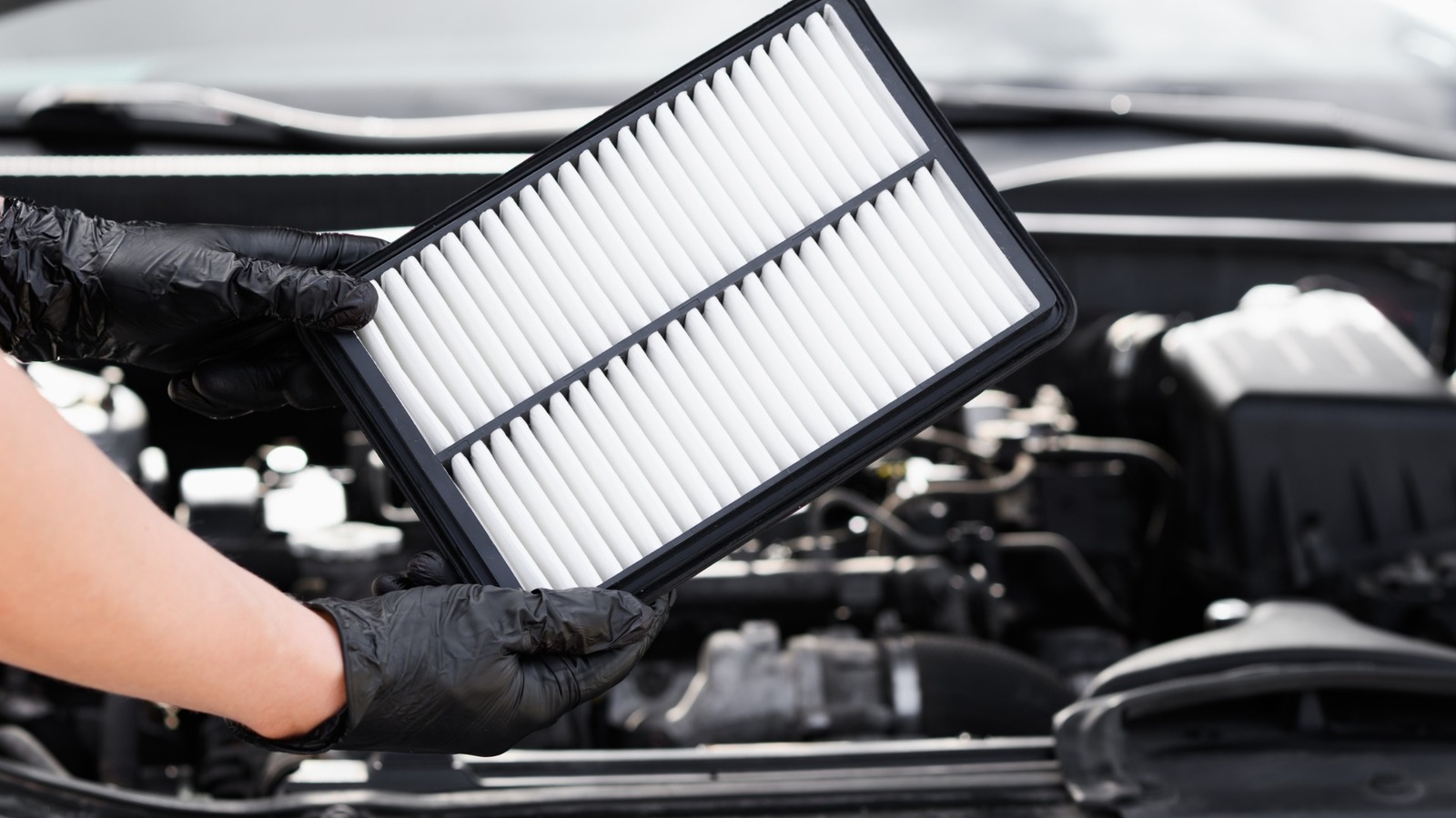
Take out the old filter. Check its condition. If it’s dirty, replace it with a new one.
Clean the inside of the box using a cloth. This removes dust and debris.
Install the new air filter in the same position. Ensure it’s snug and secure.
Replace the cover and tighten the screws. Close the hood. Your car is ready with a fresh air filter.
Credit: www.slashgear.com
Frequently Asked Questions
What Happens If You Don’t Change The Air Filter In Your Car?
Failing to change the air filter reduces engine efficiency and increases fuel consumption. It can lead to poor acceleration and potential engine damage due to dirt buildup. Regular replacement ensures optimal performance and longevity. Keep your vehicle running smoothly by maintaining a clean air filter.
What Are The Symptoms Of A Bad Air Filter In Your Car?
A bad air filter can cause reduced engine performance, increased fuel consumption, and black smoke from the exhaust. You might notice unusual engine sounds, poor acceleration, or a strong fuel smell. Keep your air filter clean to maintain optimal car performance and efficiency.
Does An Air Filter Make Your Car Run Better?
Yes, a clean air filter can improve your car’s performance. It enhances engine efficiency and fuel economy. Replacing a dirty filter boosts acceleration and reduces emissions. Regular maintenance ensures optimal airflow and power, making your car run better.
Does The Car Air Filter Affect The Ac?
Yes, a clogged car air filter can reduce airflow, affecting AC performance. Clean filters ensure optimal cooling efficiency. Regular maintenance keeps your AC functioning well, enhancing comfort during drives. Keep your air filter clean to enjoy a cooler interior and better air circulation in your vehicle.
Conclusion
Regular air filter checks ensure your car runs smoothly. Clean filters trap dust and debris. This protects the engine. Improved airflow boosts fuel efficiency. It helps the car perform better. Dirty filters harm engine health. They reduce power and increase fuel use.
Simple maintenance saves money. It extends the car’s lifespan. Always keep filters clean and check them often. Your car needs this to stay healthy. A small effort makes a big difference. Embrace regular filter inspections. Keep your vehicle in top shape.
Enjoy better drives with a clean air filter.