Are you taking care of your car’s health? One of the simplest yet most crucial aspects of car maintenance is checking the oil level.
It’s something every car owner should know how to do. Imagine cruising down the highway with peace of mind, knowing your engine is running smoothly because you’ve mastered this essential skill. In this guide, you’ll learn how to check your car’s oil level like a pro.
This small step can prevent big problems and save you from costly repairs. Ready to ensure your engine’s longevity and performance? Let’s dive into the details!
Importance Of Checking Oil Level
Regularly checking your car’s oil level is crucial for maintaining its health and efficiency. Neglecting this simple task can lead to engine damage, costly repairs, and even total engine failure. By keeping an eye on the oil level, you ensure your engine runs smoothly and reliably, saving you money and stress in the long run.
Why Oil Level Matters
Oil is the lifeblood of your engine. It lubricates, cools, and cleans the internal components. If the oil level is too low, friction increases, causing wear and tear. Imagine driving on a long road trip with the engine grinding away due to lack of oil—it’s a recipe for disaster. Maintaining the right oil level not only prevents damage but also improves fuel efficiency.
Potential Consequences Of Ignoring Oil Levels
Ignoring oil levels can lead to engine overheating. Have you ever experienced the panic of seeing smoke billowing from your car’s hood? This is often due to overheating, which can be prevented by regular oil checks. Low oil levels can also trigger warning lights on your dashboard, indicating serious issues. Addressing these problems early can save you from hefty repair bills.
The Role Of Oil In Engine Performance
Oil enhances engine performance by reducing friction and allowing parts to move seamlessly. Picture a sprinter trying to run with weights tied to their ankles; that’s your engine without sufficient oil. Ensuring the right oil level helps the engine operate at peak performance, providing a smooth and responsive driving experience. You’ll notice better acceleration and overall driving pleasure.
Environmental Impact Of Proper Oil Maintenance
Maintaining proper oil levels contributes to a cleaner environment. Engines running on low oil emit more pollutants. By ensuring your oil level is adequate, you reduce your carbon footprint. It’s a small step that makes a big difference, not just for your car, but also for the planet. It’s a win-win situation—better car health and a healthier environment.

Credit: www.youtube.com
Tools Needed
Checking your car’s oil level requires a clean cloth or paper towel and a flashlight for better visibility. Ensure the car is on a flat surface, and the engine is cool before you begin.
Checking the oil level in your car is essential for engine health. To do this task effectively, you need some basic tools. These tools ensure the process is smooth and accurate.
Dipstick
The dipstick is a metal rod used to measure oil levels. It is usually located in the engine bay. You pull it out to check the oil quantity and quality.
Clean Cloth
A clean cloth is necessary to wipe the dipstick. This helps you get a clear reading of the oil level. A microfiber cloth works best for this purpose.
Funnel
A funnel is useful if you need to add oil. It prevents spills and helps pour oil smoothly into the engine. Choose a funnel that fits the opening well.
Motor Oil
Having the right motor oil is crucial. It should match the specifications in your car manual. Keep some extra oil handy for top-ups.
Gloves
Gloves protect your hands from oil stains and chemicals. They provide a better grip on tools and make the process cleaner.
Flashlight
A flashlight helps you see inside the engine bay. This is especially useful in dim lighting or during night-time checks. These tools make checking your car’s oil level easy and efficient. Make sure to have them ready before you start. This way, your car engine stays healthy and runs smoothly.
Safety Precautions
Ensure the car is on a level surface and the engine is off and cool. Remove the dipstick, wipe it clean, then reinsert it fully. Pull it out again to check the oil level against the markers.
Safety is paramount when checking the oil level in your car. It’s not just about maintaining your vehicle; it’s about protecting yourself from potential hazards. You might wonder how a simple task like checking oil can be risky. But with engines running hot and various moving parts under the hood, there are crucial precautions to keep in mind.
Wear Protective Gear
Always wear gloves to protect your hands from hot engine parts and any spilled oil. A pair of safety glasses can shield your eyes from accidental splashes. Remember, it’s better to be safe than sorry.
Turn Off The Engine
Before you pop the hood, ensure the engine is off and has cooled down. This reduces the risk of burns from hot components. Have you ever accidentally touched a hot engine? It’s an experience you’ll want to avoid.
Park On Level Ground
Your oil reading needs to be accurate, and parking on level ground ensures this. If your car is tilted, the oil might pool to one side, giving a false reading. Have you considered the implications of checking oil on a slope?
Keep Away From Moving Parts
Avoid wearing loose clothing or accessories that could get caught in moving parts. Your focus should be on the task at hand, not on untangling yourself from engine belts. Does your outfit make you feel safe around car engines?
Be Cautious With The Dipstick
When removing the dipstick, pull it out slowly to avoid splattering oil. Check the color and consistency of the oil; it should be clear and amber. Ever had a messy oil spill to clean up? It’s a hassle worth avoiding. By taking these precautions, you ensure your safety while prolonging your car’s life.
Locating The Dipstick
Locate the dipstick in the engine bay, usually marked with a bright handle. Pull it out gently and wipe clean.
Locating the dipstick is the first step in checking your car’s oil level, and it’s crucial to get it right. A well-maintained engine depends on the right amount of oil, so knowing where to find the dipstick can save you from potential engine trouble. The dipstick is typically located in the engine bay, and its position can vary depending on the car model. Let’s explore how you can easily locate it and ensure your car runs smoothly.
Identifying The Engine Bay
Pop the hood of your car to access the engine bay. It’s the heart of your vehicle, where most of the mechanical components are housed. Look for a long, thin rod with a loop or handle at the top. This is your dipstick, and it usually has a bright color handle to stand out.
Recognizing Different Dipstick Designs
Not all dipsticks are created equal. Some are curved, while others are straight. They might have varying colors too, such as orange or yellow, which makes them easier to spot. Understanding these differences can help you locate the dipstick faster.
Consulting Your Owner’s Manual
If you’re having trouble finding the dipstick, your car’s owner manual can be a lifesaver. It provides detailed diagrams showing the exact location of the dipstick in your specific model. Keep this manual handy for quick reference.
Checking For Dipstick Markings
Once you’ve located the dipstick, pull it out and look for markings. These indicate the oil level in your car. Familiarize yourself with these markings; they can tell you if the oil level is sufficient or if your car needs a top-up. Finding the dipstick is just the beginning. Have you ever wondered if checking oil level could be a bonding experience with your car? Understanding these nuances not only keeps your engine healthy but also builds your confidence in car maintenance.
Preparing The Car
Ensure the engine is cool before checking the oil. Locate the dipstick, pull it out, and wipe it clean. Insert it back in, then remove again to check the oil level against the markers.
Checking your car’s oil level is an essential task to ensure your vehicle runs smoothly and efficiently. Before you dive into checking the oil, it’s crucial to prepare your car properly. Proper preparation not only ensures accurate readings but also keeps you safe. Let’s explore the steps to get your car ready.
Ensure Engine Is Cool
Always start by making sure the engine is cool. A hot engine can give a false reading due to the oil being distributed throughout the engine. More importantly, checking oil in a hot engine can lead to burns. If you’ve just been driving, let your car rest for at least 15-20 minutes before proceeding.
Park On Level Ground
Park your car on a level surface for the most accurate oil reading. If the car is tilted, the oil will naturally shift, leading to an incorrect measurement. Imagine trying to balance water in a tilted glass—tricky, right? Similarly, a flat surface ensures the oil settles evenly in the pan, giving you a true reading. Taking these preparatory steps might seem minor, but they significantly affect your ability to monitor your car’s health accurately. Are you ready to get started? Grab your dipstick, and let’s continue!
Credit: www.youtube.com
Steps To Check Oil Level
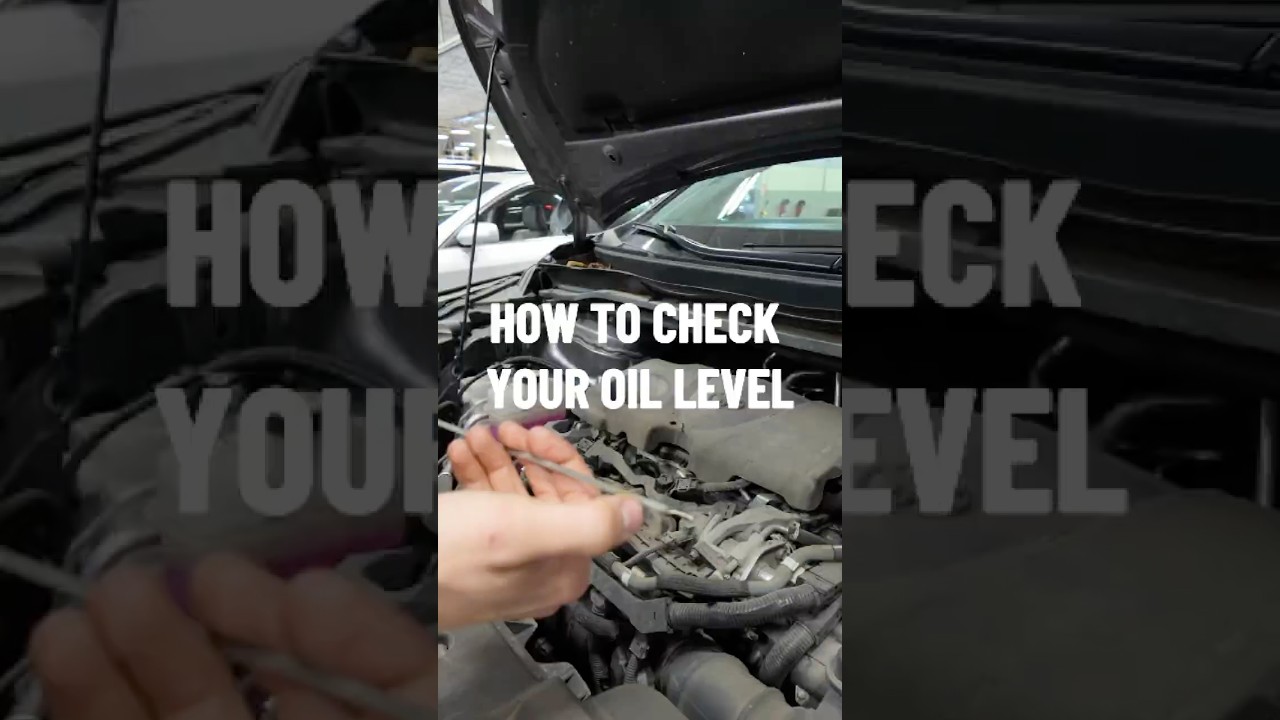
Park your car on level ground and turn off the engine. Open the hood and locate the dipstick. Pull out the dipstick, wipe it clean, reinsert it fully, and then remove it again to check the oil level. Make sure the oil level is between the minimum and maximum marks.
Checking your car’s oil level is vital for engine health. Regular oil checks ensure smooth operation. Follow these simple steps to avoid engine issues.
Remove The Dipstick
Locate the dipstick under the hood. It usually has a bright handle. Pull it out completely. This will allow you to check the oil.
Clean The Dipstick
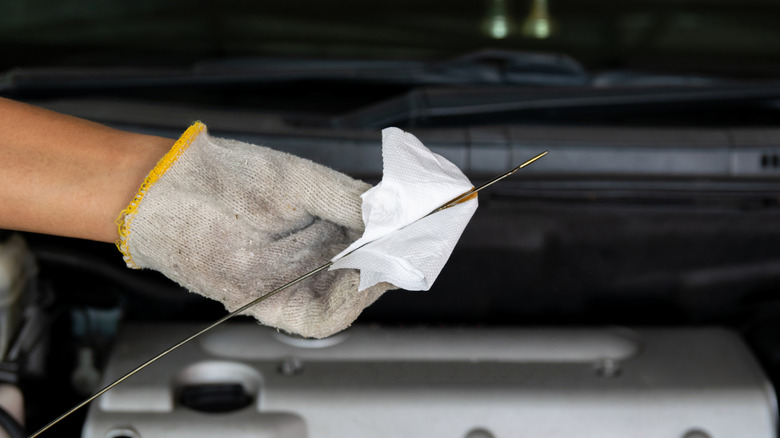
Use a clean rag or paper towel to wipe it. This removes old oil and dirt. A clean dipstick provides an accurate reading.
Reinsert And Remove Again
Place the dipstick back into its tube. Push it all the way in. Pull it out once more. This step prepares it for a fresh reading.
Read Oil Level
Check the oil level on the dipstick. Look for markings that show oil level. Your oil should be between these marks. If it’s low, you may need to add oil.
Interpreting Oil Level Readings
Ensure your car is on level ground and turned off. Locate the dipstick, pull it out, and wipe it clean. Insert it back fully, then remove again to check the oil level against the marked indicators.
Interpreting Oil Level Readings Understanding the oil level in your car is crucial for engine health. Checking the oil level regularly ensures your car runs smoothly. It helps prevent engine damage. Knowing how to read the oil level can save you money on repairs. Let’s dive into the details.
Understanding Dipstick Marks
The dipstick is a simple tool. It shows the oil level clearly. There are usually two marks. These marks indicate the minimum and maximum oil levels. When you pull out the dipstick, look at the oil line. If the oil is between the marks, it’s perfect. If it’s below the lower mark, you need more oil.
What Low Oil Indicates
Low oil levels can signal problems. It might mean your car is burning oil. Or, there could be a leak. Low oil levels can lead to engine wear. It reduces lubrication, causing friction. This can damage engine parts. Keeping the right oil level prevents such issues. Regular checks are essential.
Credit: www.jalopnik.com
Adding Oil If Necessary
Adding Oil if Necessary After checking the oil level, add oil if the dipstick shows low levels. Remove the oil cap, pour in the recommended type, and recheck the level to ensure it’s correct. Always avoid overfilling to prevent engine damage.
Adding oil to your car might seem like a daunting task, especially if you’re not mechanically inclined. However, it’s a straightforward process that can save you from costly engine problems. Once you’ve determined that your car is low on oil, adding the right amount is crucial for maintaining your engine’s health. But how do you ensure you’re adding the correct type and amount? Let’s walk through it.
Choosing The Right Oil
Choosing the right oil for your car is essential. Not all oils are created equal, and using the wrong type can lead to engine damage. Check your vehicle’s owner manual to find the recommended oil grade for your car. Consider factors such as the climate you live in and the age of your vehicle. For instance, if you’re in a colder climate, a thinner oil may be necessary for better flow during winter months. Additionally, synthetic oils offer better performance but come at a higher price. Weigh your options based on your budget and driving conditions.
Steps To Add Oil
Once you have the correct oil, adding it is a simple process. Here’s a step-by-step guide to ensure you do it correctly:
- Ensure your car is parked on a level surface and the engine is cool.
- Locate the oil filler cap in your engine bay. It’s usually marked with an oil can symbol.
- Remove the cap and set it aside safely.
- Using a funnel to avoid spills, slowly pour the oil into the filler hole. Check the dipstick periodically to avoid overfilling.
- Once the desired level is reached, replace the filler cap securely.
- Start your engine and let it run for a few minutes to circulate the new oil.
How often do you check your oil level? Regular maintenance can prevent unexpected breakdowns and keep your engine running smoothly. By following these steps, you take an active role in your car’s well-being, ensuring it serves you well for years.
When To Seek Professional Help
If oil levels seem incorrect despite following instructions, consider seeking professional help. Persistent low oil levels or finding leaks can indicate serious issues needing expert assessment.
Checking your car’s oil level is a straightforward task that most drivers can handle themselves. However, there are instances when seeking professional help is not just wise, but necessary. Knowing when to turn to an expert can save you time, money, and potentially prevent serious damage to your vehicle. Here’s how to recognize those moments.
Unusual Oil Consumption
If you find yourself adding oil more frequently than usual, it might indicate a deeper problem. A professional can diagnose issues like leaks or internal engine problems. This helps prevent costly repairs in the future.
Persistent Oil Warning Light
The oil warning light is not something to ignore. If it remains on after adding oil, it could signal a malfunctioning oil pump or a faulty sensor. Only a professional can accurately assess and fix these issues.
Strange Noises From The Engine
Hearing unusual noises like knocking or ticking from your engine? This could be due to insufficient lubrication. A mechanic can determine if the oil is not reaching crucial parts of the engine.
Oil Appears Dirty Or Gritty
When checking the oil, if it looks dirty or gritty, it may be time for a change. Professionals can replace the oil and filter, ensuring your engine runs smoothly.
Difficulty In Locating The Dipstick
Struggling to find the dipstick or unsure about how to check the oil level properly? There’s no shame in asking for help. A professional can demonstrate the correct procedure, boosting your confidence for the next time.
Unfamiliar With Your Car’s Specifications
Not all cars are the same, and neither are their oil requirements. If you’re unsure about the type of oil your car needs or how much to use, a mechanic can provide the right advice.
Planning A Long Trip
Before embarking on a long journey, it’s wise to have your car checked by a professional. They can ensure everything, including the oil level, is in top shape for the road ahead.
Past Maintenance Overdue
If your car is overdue for maintenance, it’s a good idea to have it checked professionally. This includes an oil change and overall inspection, preventing potential issues.
Concerned About Warranty
For newer cars under warranty, sticking to professional services may be required. This ensures your vehicle remains covered and any potential issues are documented by certified mechanics. Listening to your car and knowing when to seek help can make a significant difference. Have you ever had a situation where a professional’s insight saved the day? Share your story in the comments below!
Maintaining Regular Oil Checks
Checking the oil level regularly ensures your car runs smoothly. Begin with a cool engine. Pull out the dipstick, wipe it clean, and reinsert it. Remove it again to see the oil level. Compare it against the markings on the dipstick.
Keep oil levels between the minimum and maximum marks for optimal engine performance.
Maintaining regular oil checks in your car is a simple yet crucial task that can significantly extend the life of your engine. Regularly checking your oil level ensures your engine runs smoothly, preventing unnecessary wear and tear. By making this a routine part of your car maintenance, you’re not just preserving your vehicle’s health but also saving money on costly repairs.
Understanding The Importance Of Regular Checks
Skipping oil checks can lead to severe engine damage. Without enough oil, the engine parts rub together, causing friction and overheating. Regular checks help you catch low levels before they become a problem.
How Often Should You Check Your Oil?
Ideally, you should check your oil every month. However, if you drive frequently or have an older vehicle, consider checking more often. Always refer to your car’s manual for specific recommendations.
Tools You Will Need
You don’t need much to check your oil. A clean rag or paper towel is essential. Also, make sure you park your car on a flat surface to get an accurate reading.
Steps To Check Your Oil Level
- Ensure your engine is cool before you start.
- Locate the dipstick, which usually has a yellow or orange handle.
- Pull out the dipstick and wipe it clean with your rag.
- Reinsert the dipstick fully, then remove it again to check the oil level.
- Check the oil level against the markers on the dipstick.
What To Do If Oil Levels Are Low
If your oil level is low, add the appropriate type of oil as specified in your car’s manual. Pour slowly to avoid overfilling. Overfilling can be just as harmful as having too little oil.
Common Mistakes To Avoid
Don’t check your oil immediately after driving; it can give an inaccurate reading. Avoid using old or dirty oil; it loses its effectiveness. Lastly, never ignore warning lights related to oil on your dashboard.
Personal Experiences And Insights
I once ignored regular oil checks, thinking it wasn’t a big deal. My engine eventually overheated, leading to a costly repair. Don’t make the same mistake. Regular oil checks are a small effort for peace of mind.
Engage With Your Car’s Needs
Are you attentive to your car’s maintenance needs? Checking your oil is just the beginning. Regular maintenance can prevent larger issues down the road. Make it a habit today and notice the difference it makes.
Frequently Asked Questions
Do You Check The Oil When The Engine Is Hot Or Cold?
Check the oil when the engine is cold. This ensures accurate readings and prevents burns from hot components. Cold oil settles, giving a precise level. Always park on a level surface for best results. Regularly checking oil can help maintain engine health and performance.
What Is The Proper Way To Check Oil In A Car?
Park the car on level ground. Turn off the engine and wait 5 minutes. Locate the dipstick, pull it out, and clean it. Reinsert the dipstick, then pull it out again to check the oil level. Ensure the oil is between the minimum and maximum markers.
How Do You Tell If Your Oil Is Low?
Check the oil dipstick for accurate levels. Low oil can cause a warning light on the dashboard. Engine noise and overheating might also indicate low oil levels. Regularly check and maintain oil levels to ensure proper engine function.
Do You Check The Oil Level With An Engine Running?
No, check the oil level with the engine off. Ensure the car is on level ground for accuracy. Allow the engine to cool before measuring. This prevents inaccurate readings and ensures safety. Regular checks maintain engine health and prevent potential damage.
Always refer to your vehicle’s manual for specific instructions.
Conclusion
Checking your car’s oil level is simple. It ensures smooth engine function. Regular checks prevent costly repairs. Follow easy steps for accuracy. Park on level ground. Let engine cool. Pull out dipstick. Wipe it clean. Dip it again. Check the level.
Add oil if needed. Avoid overfilling. Maintain oil level for engine health. Check every month. Consistent checks keep your car running well. Stay informed. Protect your vehicle. Save money on repairs. A small effort. Big rewards. Keep your car in top condition.
Enjoy safer drives. Drive with confidence. Regular oil checks make a difference.