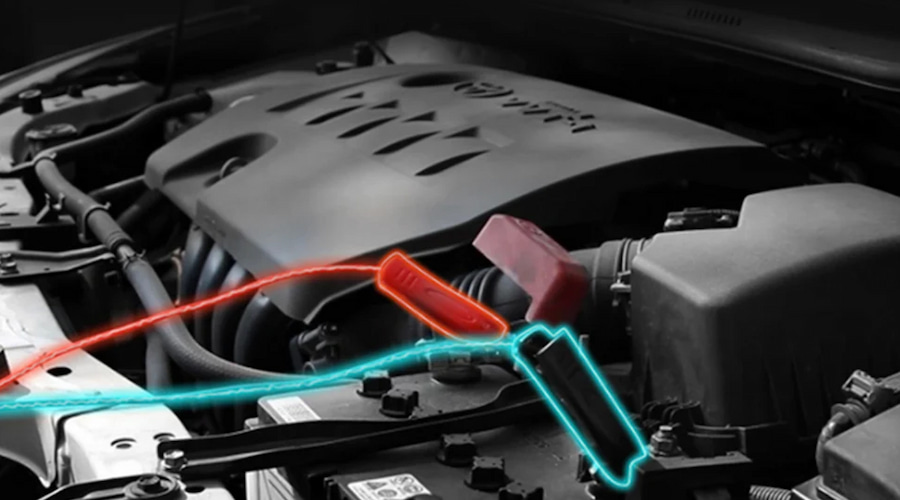
Your car won’t start, and the dashboard lights are flickering. It’s a scenario no one wants to face, yet it’s all too common.
Knowing how to charge a car battery is an essential skill that can save you time, money, and frustration. Imagine the convenience of being able to revive your vehicle without waiting for roadside assistance. This guide is designed to empower you with simple steps and tips to charge your car battery safely and efficiently.
You’ll discover how to avoid common mistakes and prolong your battery’s life. Dive in, and equip yourself with the knowledge that could be a lifesaver on your next road trip or busy morning.
Credit: www.chase.com
Safety Precautions
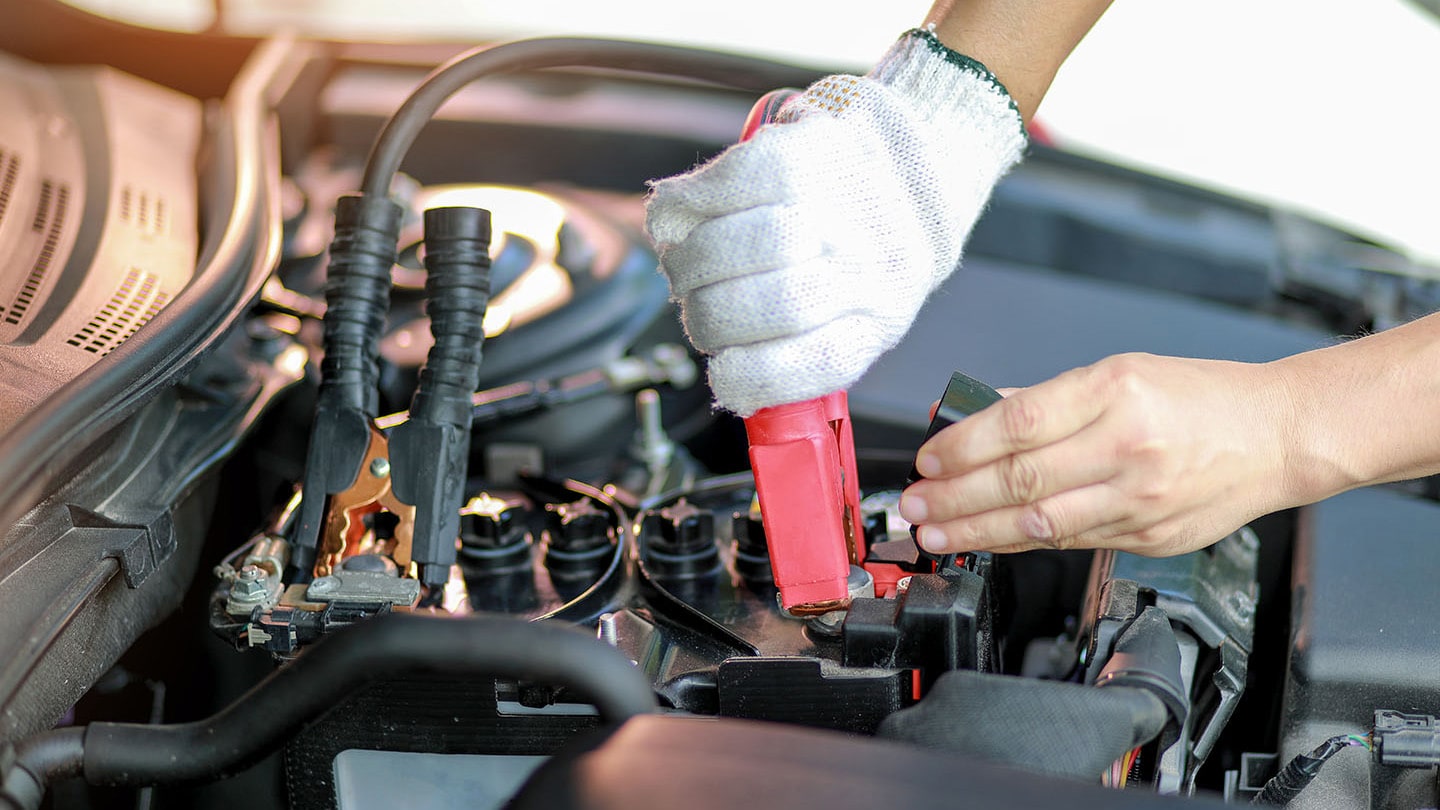
Charging a car battery requires safety precautions to prevent accidents. Wear gloves and goggles for protection. Keep flammable materials away, and ensure the charger is off before connecting cables.
Charging a car battery might seem straightforward, but it’s crucial to prioritize safety. The process involves handling electrical components that can pose risks if not managed correctly. Taking the necessary precautions ensures not only your safety but also the longevity of your car battery. Let’s dive into essential safety measures you should consider before charging your car battery.
Wear Protective Gear
When dealing with car batteries, wearing protective gear is non-negotiable. Always wear gloves to protect your hands from corrosive battery acid. Eye protection is vital as well; safety goggles can shield your eyes from accidental splashes or sparks. Consider this scenario: a friend decided to skip the gloves, thinking it was unnecessary. He ended up with minor burns from battery acid. Lesson learned—never compromise on safety gear.
Check For Flammable Materials
Before starting, inspect the area around your car battery for flammable materials. Batteries can emit hydrogen gas, which is highly flammable. Ensure that there’s no gasoline, paper, or any other flammable substance nearby. Imagine the shock of realizing a small gasoline spill near your battery could ignite. A quick check can prevent a potentially dangerous situation.
Ensure Proper Ventilation
Proper ventilation is essential when charging a car battery. Charging generates gases that need to dissipate safely. Perform the charging in a well-ventilated space, like a garage with open doors or windows. Think about this: charging your battery in a confined space could lead to gas buildup. Ask yourself, is your charging environment safe enough to handle these emissions? By focusing on these safety precautions, you’re not just protecting yourself—you’re also ensuring a smoother, more efficient charging process. Remember, safety first, every time.
Gather Necessary Tools
Before charging a car battery, gather the necessary tools. Having the right tools makes the process easier and safer. These tools ensure a smooth and successful battery charging experience. Let’s delve into the essential tools required for this task.
Battery Charger
A battery charger is crucial for charging a car battery. Choose one that matches your battery’s voltage. Some chargers offer fast charging options, while others charge slowly. Ensure it has safety features to prevent overcharging. A reliable charger prolongs battery life.
Jumper Cables
Jumper cables are essential for jump-starting a battery. They connect your car’s battery to another power source. Choose cables with insulated clamps for safety. They should be long enough to reach between vehicles. Thick cables conduct electricity better, so check their gauge rating.
Wrench And Screwdriver
A wrench and screwdriver help you remove battery terminals. They ensure you can disconnect the battery safely. Choose tools that fit the battery’s nuts and bolts. A good grip avoids slipping and possible injury. Keep these tools handy for efficient battery maintenance.
Identify Battery Type
Understanding the type of car battery you have is crucial before charging it. Different batteries require different approaches, and treating them incorrectly can lead to damage or even safety hazards. Identifying whether you have a lead-acid or AGM battery will guide you in choosing the right charging method and equipment.
Lead-acid Vs. Agm
Lead-acid batteries are the most common type found in vehicles. They are generally reliable and affordable. However, they require regular maintenance and can spill if handled improperly. On the other hand, AGM (Absorbent Glass Mat) batteries are more advanced, offering better performance and durability. They are spill-proof and maintenance-free, making them a popular choice for modern cars.
It’s important to recognize the difference, as AGM batteries typically require a specific charger designed for their unique technology. Charging a lead-acid battery with an AGM charger can lead to overcharging and battery damage.
Check Voltage Rating
Before you charge your battery, checking the voltage rating is essential. Most car batteries have a voltage of 12 volts, but some systems may differ. Using a multimeter can help you determine the exact voltage of your battery.
Knowing the voltage is important for setting your charger correctly. An incorrect voltage setting can lead to inefficient charging or even harm your battery. Have you ever charged a battery only to find it’s still not holding power? Voltage misalignment could be the culprit.
Keeping track of your battery’s voltage rating ensures you charge it efficiently, prolonging its lifespan and saving you money in the long run.
Prepare The Battery
Make sure the car is off before charging the battery. Connect the charger clamps to the correct terminals. Plug in the charger and let it charge fully.
Preparing your car battery before charging is crucial for safety and efficiency. A well-prepped battery ensures a smooth charging process and extends its lifespan. Let’s dive into the key steps you need to follow to get your battery ready for charging.
Turn Off Ignition
Make sure your car’s ignition is completely off. This might seem like an obvious step, but it’s easy to forget in the rush of daily life. Leaving the ignition on can lead to electrical issues and could even damage your car’s sensitive electronics. Take a moment to double-check. Is everything, including the headlights, really off? This small precaution can save you a lot of hassle later.
Clean Battery Terminals
Dirty terminals can hinder the charging process. Use a wire brush or a terminal cleaner to scrub away any corrosion or dirt. If you notice a white, ashy substance, that’s corrosion, and it needs to go. A simple mix of baking soda and water can work wonders here. After cleaning, wipe the terminals with a damp cloth to remove any residue. This ensures a good connection when you attach the charger.
Inspect For Damage
Carefully inspect your battery for any visible damage. Look for cracks, bulges, or leaks. These are signs that your battery might need replacement instead of a recharge. Is there any unusual smell, like rotten eggs? That could indicate a leak of sulfuric acid, which is hazardous. If you spot any damage, it’s best to consult a professional. Charging a damaged battery can be dangerous and might worsen the problem.
Connecting The Charger
Connecting the charger to your car battery is a straightforward task, but it requires careful attention to detail to ensure safety and effectiveness. Whether you’re a seasoned mechanic or a first-time DIY enthusiast, knowing how to properly connect the charger can save you from potential mishaps. Have you ever wondered why the sequence of connecting cables is so crucial? Let’s dive into the steps to ensure your car battery charges smoothly.
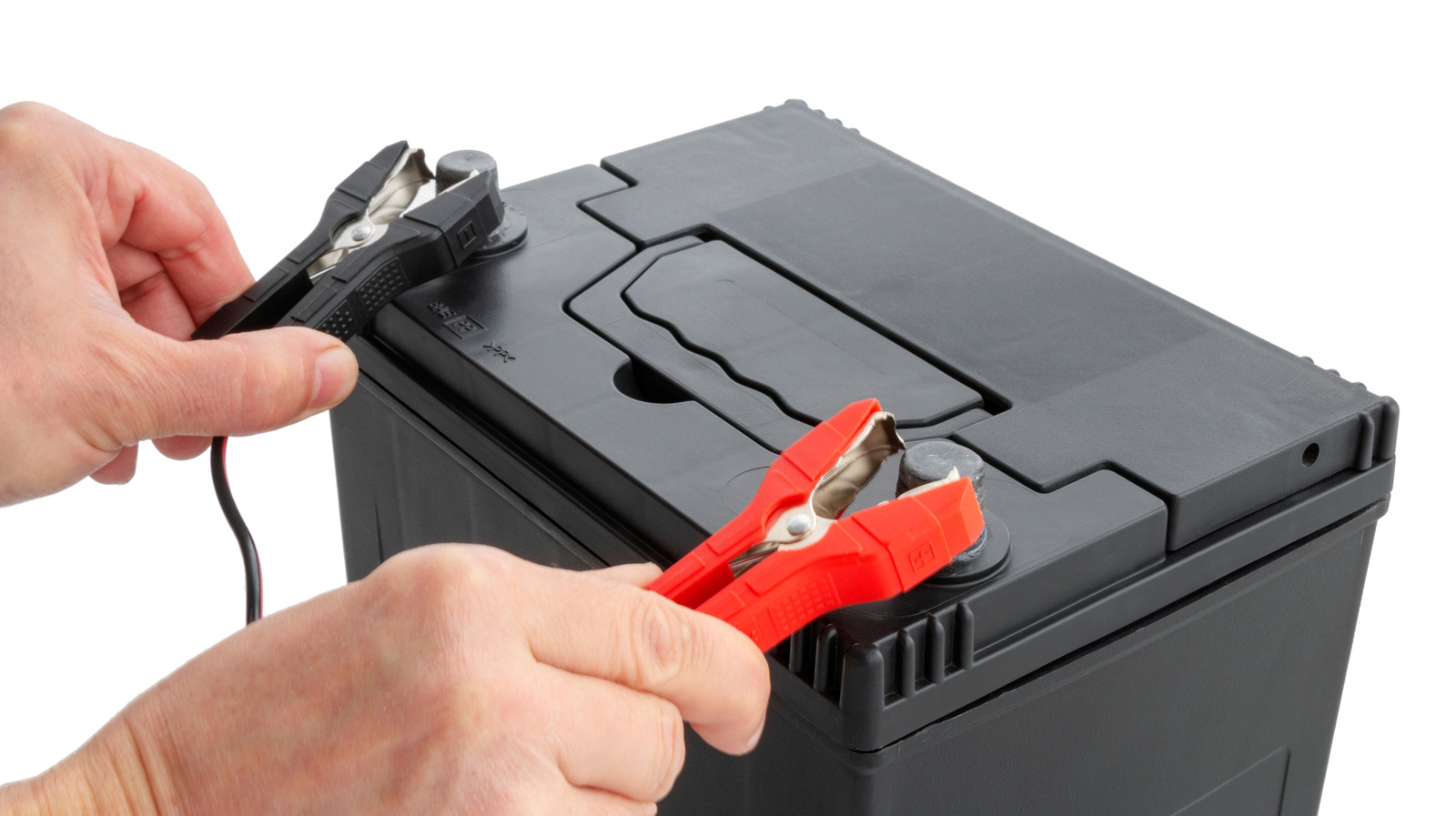
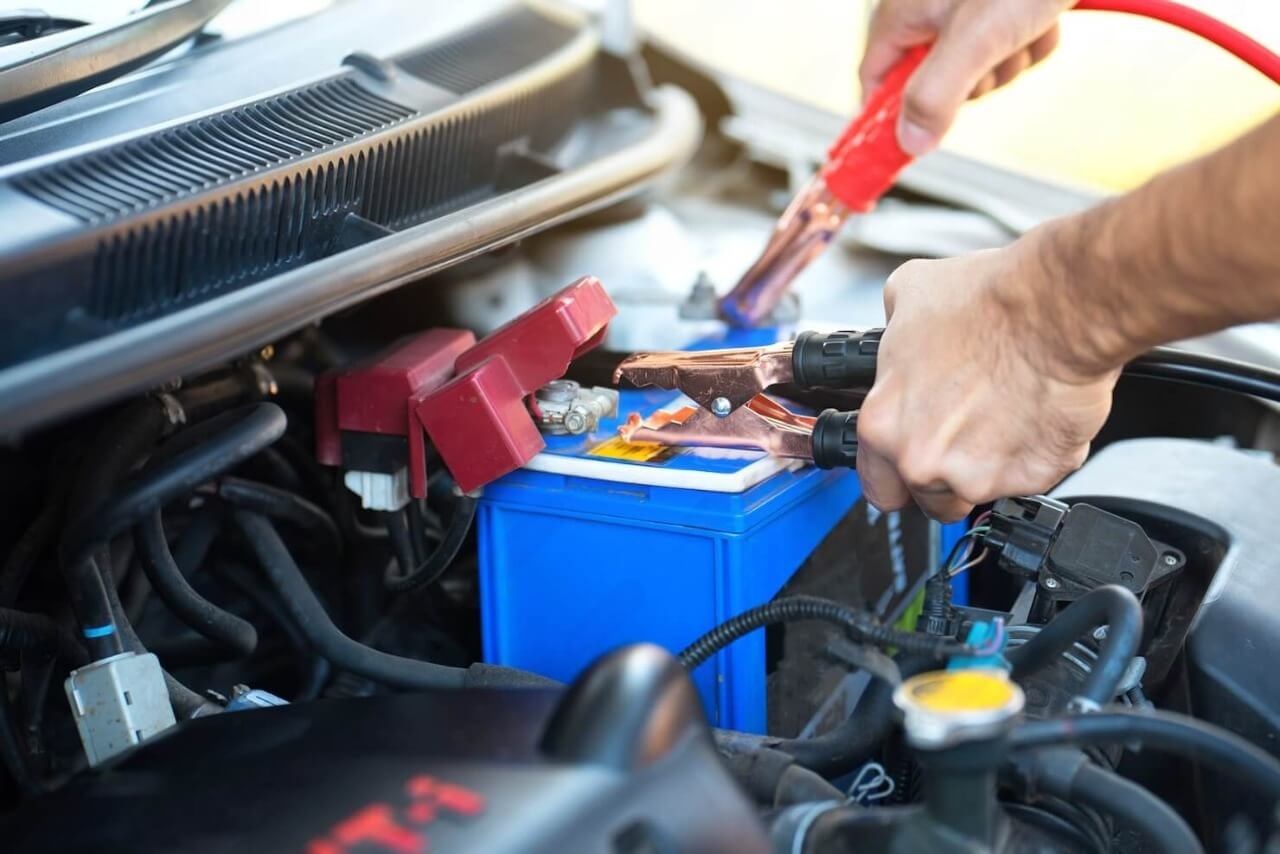
Attach Positive Cable
Start by identifying the positive terminal on your battery, usually marked with a plus sign (+) and often colored red. It’s crucial to attach the positive cable from the charger to this terminal first. This reduces the risk of sparks and other electrical hazards. Remember, always double-check the markings to avoid any mix-up.
Attach Negative Cable
Next, locate the negative terminal, marked with a minus sign (-) and typically black. Connect the charger’s negative cable to this terminal. This step completes the circuit, allowing electricity to flow into the battery safely. Have you ever noticed how this simple connection can prevent damage to your vehicle’s electrical system?
Ensure Secure Connections
Once both cables are attached, ensure they are securely fastened. Loose connections can lead to inefficient charging or even disconnect during the process. A quick wiggle test can help confirm their stability. How confident are you in your ability to spot a secure connection? This attention to detail ensures your battery receives the charge it needs.
Charging Process
Charging a car battery involves connecting it to a charger. Ensure the charger matches the battery type. Attach the positive and negative clamps securely. Turn on the charger and monitor the charging process until complete.
The charging process of a car battery might seem daunting, but it’s simpler than you think. Understanding the steps can save you time and money, and even extend the life of your battery. Let’s delve into the key aspects of the charging process that will help you confidently tackle this task.
Set Correct Voltage
Setting the correct voltage is crucial for a successful charge. Most car batteries operate on a 12-volt system. However, double-checking your battery’s specifications is always a smart move. Use a charger that matches the voltage requirements of your battery. A mismatch could lead to damage or inefficient charging.
Monitor Charging Progress
Keeping an eye on the charging progress is essential to ensure your battery charges properly. Many modern chargers have indicators or displays showing the current charge level. Consider setting an alarm to remind you to check the charger periodically. It’s easy to get distracted, but monitoring prevents potential mishaps.
Avoid Overcharging
Overcharging can severely damage your battery, reducing its lifespan. Most smart chargers automatically switch off or reduce the current when the battery is fully charged. If you’re using a manual charger, be vigilant. Once the battery reaches full capacity, disconnect the charger promptly to prevent any harm. Charging a car battery can be straightforward with the right knowledge and tools. Have you ever considered how a simple charging mistake could affect your battery’s lifespan? By following these steps, you’ll ensure your battery gets the right care.
Disconnecting The Charger
Disconnecting the Charger Ensure safety by switching off the car and charger first. Then, carefully detach the negative cable followed by the positive one.
Disconnecting the charger from your car battery requires care. Safety should be your top priority. Properly disconnecting ensures your battery and charger remain in good condition. Follow these simple steps to do it safely.
Turn Off Charger
Always turn off the charger first. This prevents sparks from forming. Locate the power switch on your charger. Switch it to the off position. Make sure the charger light is off. This confirms no power flows to the cables.
Remove Cables Safely
Begin with the negative cable. This is usually black. Carefully remove it from the battery terminal. Next, detach the positive cable, usually red. Keep the cables from touching. Store them safely away from the battery. This avoids accidental contact and sparks. Always handle cables gently to prevent damage.
Testing The Battery
Charging a car battery involves connecting it to a charger and setting the appropriate voltage and amperage. Ensure the battery terminals are clean and securely attached before starting the charging process. Monitor the charging progress to prevent overcharging and maintain battery health.
Testing the battery is a crucial step before charging your car battery. It helps you determine whether the battery is healthy or if it needs replacement. By testing the battery, you can avoid wasting time and resources on a battery that might not hold a charge.
Use A Multimeter
A multimeter is a handy tool for testing your car battery. It measures the voltage and tells you if the battery is charged or discharged. Set the multimeter to the DC voltage range of 20 volts. Connect the red probe to the positive terminal and the black probe to the negative terminal of the battery. If the reading is around 12.6 volts or higher, your battery is fully charged. A reading below 12.4 volts indicates the battery might need charging.
Check For Consistent Voltage
Consistent voltage is a sign of a healthy battery. After connecting the multimeter, observe the voltage reading for a few minutes. If the voltage drops significantly, it might indicate a bad battery cell. Consider testing the battery when the car is off and again when it is running. A drop in voltage while the engine is running could mean issues with the alternator. Consistent voltage when the car is off and running is a positive sign. Have you ever been stranded with a dead battery? Testing it beforehand could save you from such hassles. Always keep a multimeter in your car toolkit for emergencies.
Maintenance Tips
Charging a car battery requires safety gear and a reliable charger. First, connect the charger to the battery terminals. Set the charger to the correct voltage and turn it on. Wait until the battery reaches full charge before disconnecting.
Maintaining your car battery’s health is crucial for ensuring your vehicle runs smoothly and efficiently. Simple maintenance can extend the life of your battery, saving you time and money. Here are some practical tips to keep your battery in top shape.
Regular Cleaning
Dust and dirt can accumulate around your battery terminals, affecting the connection and performance. Regular cleaning is essential. Use a wire brush to gently scrub the terminals. Be sure to wear gloves and safety glasses for protection. By keeping the terminals clean, you ensure a better connection and prevent corrosion, which can lead to battery failure.
Avoid Deep Discharge
Allowing your battery to discharge deeply can significantly reduce its lifespan. It’s a good idea to monitor your usage. Avoid leaving lights or electronics on when the engine is off. If you notice your battery struggling, it may be time to charge it or seek professional help. Taking these steps can prevent unexpected breakdowns and ensure reliability.
Check Fluid Levels
Many car batteries require the fluid level to be maintained. It’s a simple process that can prevent damage. Remove the battery caps and check if the fluid covers the plates inside. If not, add distilled water carefully. This ensures the battery operates at its optimal capacity and avoids overheating. These maintenance tips are easy to follow and can significantly enhance your car battery’s performance. What small steps will you take today to ensure a longer battery life?
Credit: www.slashgear.com
Credit: www.batteriessunshinecoast.com.au
Frequently Asked Questions
What Is The Correct Way To Charge A Car Battery?
To charge a car battery correctly, use a quality charger and follow instructions. Ensure proper connection to terminals. Charge in a well-ventilated area, avoiding open flames. Monitor charging progress, disconnect once fully charged. Regularly check battery condition to prevent issues.
Can A Dead Car Battery Be Recharged?
Yes, a dead car battery can often be recharged. Use a battery charger or jump-start method. Ensure connections are secure and follow safety precautions. If the battery fails to hold a charge, replacement may be necessary. Regular maintenance can prolong battery life.
Can I Recharge My Own Car Battery?
Yes, you can recharge your car battery. Use a suitable charger and follow the manufacturer’s instructions for safety. Ensure the charger is compatible with your battery type and connect the terminals correctly. Always wear protective gear and work in a well-ventilated area.
How Can I Charge My Car Battery At Home?
To charge your car battery at home, connect a compatible charger to the battery terminals. Ensure the charger matches the battery voltage. Follow the charger instructions carefully. Keep the charging area ventilated and avoid overcharging. Regularly monitor the battery’s charge level to ensure optimal performance.
Conclusion
Charging a car battery is simple with the right steps. Begin by checking the battery for any damage. Then, ensure the charger matches the battery type. Connect the charger properly and switch it on. Monitor the charging process closely. Once charged, disconnect the charger safely.
Regularly charging your battery can extend its life. Proper handling avoids safety issues. Understanding these steps helps you maintain your vehicle better. Remember, safety and attention are key. Keep your battery in good shape with these easy tips. Always consult a professional for any doubts or concerns.