Do You Have to Have Insurance to Rent a Car: Essential Guide
Are you planning to rent a car for your next trip or business venture? If so, you’re probably wondering whether you need insurance to hit the road.
This question might seem straightforward, but the answer can be a bit more complex than you’d think. Understanding the ins and outs of car rental insurance can save you from unexpected expenses and headaches. By the end of this article, you’ll have a clear picture of what’s necessary and what’s optional when it comes to protecting yourself on the road.
Let’s dive in and unravel the mystery of car rental insurance together, ensuring you make the best decision for your peace of mind and your wallet.

Credit: binscars.com
Car Rental Insurance Basics
Many car rental companies require some form of insurance. It ensures protection against accidents or damages. Renters can use personal car insurance or purchase coverage from the rental company.
Renting a car can be an exciting experience, especially when you’re planning a road trip or a weekend getaway. However, the question of whether you need insurance can often be a puzzling aspect of the process. Understanding the basics of car rental insurance can help you make informed decisions, ensuring you have peace of mind without unnecessary expenses.Understanding Car Rental Insurance Types
Car rental companies typically offer several types of insurance coverage. It’s crucial to know what each one entails. – Collision Damage Waiver (CDW): This isn’t insurance but a waiver that limits your financial liability if the rental car is damaged or stolen. – Liability Insurance: Covers you if you’re at fault in an accident and cause damage to other vehicles or property. – Personal Accident Insurance: Provides medical coverage for injuries sustained in an accident, for both the driver and passengers. – Personal Effects Coverage: Protects your personal belongings inside the rental car. Knowing these can help you choose the right coverage for your needs. Do you need all of them, or are you already covered elsewhere?Check Your Existing Coverage
Before opting for rental insurance, check whether your current insurance or credit card offers coverage. Many auto insurance policies extend coverage to rental vehicles, potentially saving you from purchasing additional insurance. Similarly, some credit cards provide collision coverage if you use them to pay for the rental. These options can be a cost-effective way to protect yourself.Assess Your Risk Level
Consider your travel plans and risk factors. If you’re driving in a foreign country or an area prone to accidents, additional coverage might be wise. But, if you’re sticking to familiar routes, perhaps your existing coverage is sufficient. Think about how comfortable you are with risk. Some people prefer comprehensive coverage for peace of mind, while others rely on their existing policies.Seek Professional Advice
If you’re uncertain about what insurance you need, speak with a professional. Insurance agents can offer tailored advice based on your specific circumstances, helping you navigate the complex world of car rental insurance. Wouldn’t it be reassuring to know you’ve got the best protection without overspending? Ultimately, understanding car rental insurance basics is about making informed choices that suit your lifestyle and travel plans. By evaluating your needs and existing coverage, you can ensure a smooth rental experience.Types Of Car Rental Insurance
When renting a car, understanding insurance options is essential. Car rental insurance can protect you from unexpected costs. Knowing the types of car rental insurance helps in making informed decisions. Below, we explore the main types of car rental insurance.
Collision Damage Waiver
A Collision Damage Waiver (CDW) reduces financial responsibility for car damage. It covers costs if the rental car gets damaged in an accident. CDW is not technically insurance. It’s a waiver of the rental company’s right to charge you for damage.
Liability Insurance
Liability Insurance covers damage you cause to others. This includes injury or damage to property. It does not cover damage to your rental car. Many countries require liability insurance by law. It ensures that victims of an accident you cause are compensated.
Personal Accident Insurance
Personal Accident Insurance provides medical coverage for you and your passengers. It covers injuries from an accident while driving the rental car. This type of insurance can be a relief if you lack personal health insurance. It ensures medical expenses are taken care of.
Personal Effects Coverage
Personal Effects Coverage protects your personal belongings in the rental car. It covers theft or damage to items like luggage or electronics. This coverage is useful if your home insurance doesn’t cover items outside your residence. It gives peace of mind during your travels.
Rental Insurance Requirements
Car rental companies often require insurance. It ensures coverage for damages or accidents during the rental period. Personal auto insurance or a rental company’s policy can meet these requirements.
Renting a car can be an exciting part of any trip, offering the freedom to explore at your own pace. However, before you hit the road, understanding rental insurance requirements is crucial. While some may assume it’s just another formality, navigating these requirements wisely can save you from unexpected expenses and ensure a smooth journey.Requirements By Rental Companies
Rental companies often have specific insurance requirements you need to meet before driving away. Many companies offer their own insurance products, which are often recommended, if not mandatory. For instance, a Collision Damage Waiver (CDW) or Loss Damage Waiver (LDW) is commonly offered to cover potential damage to the vehicle. However, relying solely on your personal auto insurance may not be enough, as some policies don’t cover rental cars. Always check with your insurance provider beforehand. Additionally, companies might require a certain level of liability coverage, so understanding what is already included in your policy can help you make informed decisions.International Rental Policies
Renting a car internationally can bring additional challenges regarding insurance. Different countries have varying regulations and requirements that might catch you off guard. In some places, third-party liability insurance is mandatory and automatically included in the rental price, while in others, it might not be. Traveling to a country where you don’t speak the language can add to the complexity. Local rental agents might not always explain the fine print clearly, so doing your homework beforehand is essential. Check online forums and reviews for insights from travelers who have rented cars in your destination country.Local Vs. International Rentals
The insurance needs for local and international rentals can differ significantly. Locally, you might be familiar with the insurance landscape, making it easier to navigate. However, renting internationally requires extra diligence to ensure you are adequately covered. Consider the driving conditions in the region you’re visiting. For example, renting a car in a bustling city might necessitate additional coverage compared to a rural area. Ask yourself: Do the roads and traffic conditions demand more comprehensive protection? Understanding these differences can help you make better decisions about what coverage to opt for, ensuring peace of mind whether you’re driving through familiar streets or foreign lands.Alternatives To Rental Insurance
Renting a car usually requires insurance, but alternatives exist. Credit card benefits often provide rental coverage. Some auto policies may extend to rentals, offering protection without extra cost.
Renting a car can be convenient. But many worry about insurance costs. Rental companies offer insurance, but it’s often expensive. Luckily, there are alternatives that can save you money. These alternatives provide coverage and peace of mind.Credit Card Coverage
Many credit cards offer rental car insurance. This coverage is often free if you use the card for the rental. Check your card’s benefits before renting a car. Some cards cover theft, damage, and more. Ensure your card’s coverage applies in the country you are renting. It’s smart to contact your card issuer for details.Personal Auto Insurance
Your personal auto insurance might cover rental cars. Many policies include collision and liability coverage for rentals. Review your policy or speak with your insurance agent. This can save you from buying extra coverage. Ensure that your policy limits are sufficient for your needs.Third-party Insurance Providers
Third-party insurance providers offer rental car insurance. These options can be cheaper than rental company insurance. They offer coverage for theft, damage, and more. You can purchase this insurance online before your trip. Compare prices and coverage to find the best deal.Cost Considerations
Renting a car often requires insurance, but options vary. Some rental companies offer insurance directly, while others accept personal policies. Costs can differ based on coverage types and rental durations.
Renting a car can be a convenient solution for travel, but it’s important to understand the financial implications, especially regarding insurance. The cost considerations surrounding rental car insurance can significantly impact your overall budget. From daily rates to hidden fees, knowing what to expect can save you from unexpected expenses and ensure you get the coverage you need without overpaying.Daily Rates And Fees
When renting a car, you’ll encounter daily rates for insurance options. These rates can vary widely depending on the rental company and the coverage level. Basic coverage might seem affordable initially, but those daily fees can add up quickly over a week-long trip. Are you tempted to skip insurance to save a few bucks? Consider the potential cost of damages or accidents. Weighing the daily fees against possible out-of-pocket expenses is crucial.Cost Vs. Coverage
The cheapest insurance option might not always be the best choice. While saving money is tempting, you might end up with insufficient coverage. Imagine facing a hefty repair bill because you opted for minimal insurance. Ask yourself: is the peace of mind worth the extra cost? Balancing what you pay against what you stand to lose can help you make an informed decision. Sometimes paying a bit more upfront can save you from financial stress later.Hidden Charges
Beyond the visible costs, rental agreements often hide additional charges. Taxes, fees, and surcharges can inflate the final bill significantly. Have you ever returned a car only to find unexpected fees on your receipt? Always read the fine print before signing. Ask questions about what each charge covers. A seemingly low rate might mask extra costs that catch you off guard. Understanding these cost considerations can empower you to make smarter financial decisions when renting a car. With the right knowledge, you can navigate insurance options confidently and avoid unnecessary expenses.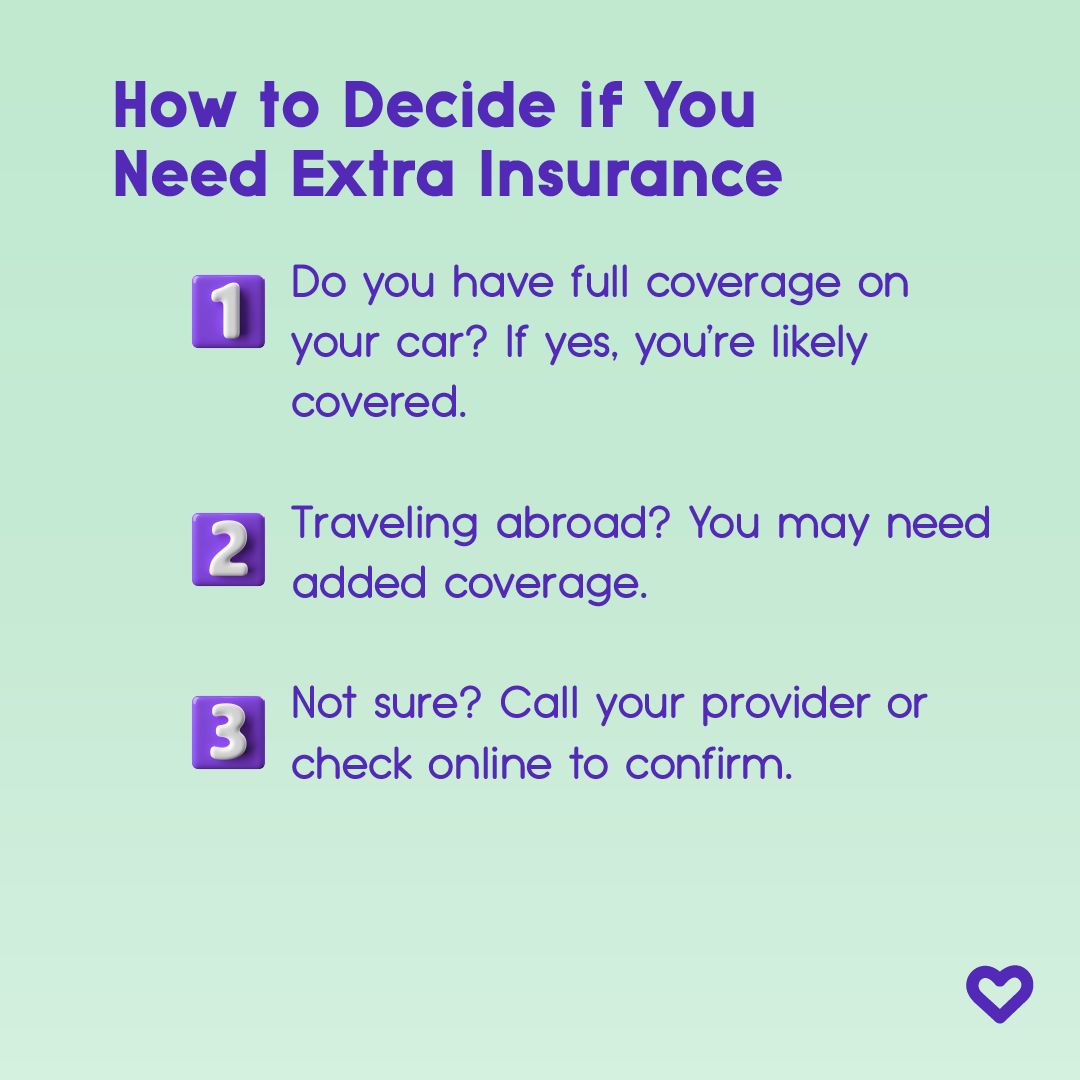
Credit: www.facebook.com
Making An Informed Decision
Renting a car often requires insurance. Many rental companies offer options for coverage. Check your personal auto policy; it might cover rentals.
Making an informed decision about whether you need insurance to rent a car can save you from unforeseen expenses and stress. It’s not just about ticking a box on a rental form. You need to consider your personal needs, assess the risks involved, and understand the details of the policy. Let’s dive into how you can make a wise choice.Assessing Personal Needs
Think about how often you rent cars and for what purpose. If you occasionally rent for a weekend getaway, your needs might differ from someone renting for business every week. Consider your current insurance policies—does your personal auto insurance cover rental cars? Understanding your existing coverage can prevent unnecessary costs. Sometimes, your credit card might offer rental car insurance, which could be a game-changer. It’s crucial to align your insurance choices with how you use rental cars.Evaluating Risks
Driving in a new city or country can be daunting. Are you prepared for the local traffic rules and conditions? Consider the potential risks like accidents or theft. If you’re not familiar with the area, it might be wise to opt for additional coverage. Also, think about the car model—luxury cars might attract more attention, hence more risk. Weighing these factors can help you decide if extra insurance is worth it.Reviewing Policy Details
It’s tempting to skim through the fine print, but don’t. Dive into the specifics of what each insurance option covers. Does it include theft, damage, or personal injury? Some policies have exclusions that might surprise you, such as coverage not applying on certain roads. Check the deductible amounts; a lower premium might mean a higher out-of-pocket cost in case of a claim. Reading the policy details thoroughly ensures you’re not caught off guard.Common Myths And Misconceptions
Many believe you must have insurance to rent a car, but this is a misconception. Rental companies often offer temporary coverage, making it possible to rent without personal insurance. Checking with the rental agency ensures you understand their specific requirements.
Renting a car can be a whirlwind of decisions, especially when it comes to insurance. It’s easy to get tangled in a web of myths and misconceptions. Many people believe things about car rental insurance that simply aren’t true. Understanding the truth can save you money and hassle. Let’s unravel some common myths and misconceptions.Full Coverage Misunderstandings
Many renters assume their personal auto insurance offers full coverage for rental cars. This assumption can lead to unexpected costs. Personal insurance often covers collision but not other fees like loss of use or administrative costs. Imagine you’re driving a rental car and get into a minor accident. Your personal insurance might cover the repairs, but the rental company could charge you for the days their car is out of service. It’s crucial to read the fine print of your policy.Credit Card Coverage Assumptions
There’s a popular belief that using a credit card for rental payments automatically provides insurance coverage. While some credit cards do offer secondary coverage, it’s not universal. Secondary coverage means your personal insurance pays first, and the credit card fills in the gaps. Check if your credit card offers this benefit and understand its limitations. Don’t assume you’re covered without verifying the specifics.Rental Company Obligations
It’s a common misconception that rental companies are obligated to provide insurance. While they offer options, it’s not automatic. You’re not required to purchase insurance through the rental company, but declining it means accepting responsibility for damages. Consider a scenario where you decline insurance and damage the car. The rental company will expect you to cover the costs. It’s vital to assess your risks and coverage options before making a decision. Do you really know what you’re signing up for? Understanding these myths can empower you to make smarter choices when renting a car.
Credit: www.facebook.com
Tips For Renting A Car Without Insurance
Renting a car without insurance is possible by using a credit card that offers rental coverage. Check if your personal auto insurance covers rentals. Always read the rental agreement carefully to understand your responsibilities and potential costs.
Renting a car without insurance can seem daunting, but it’s possible with the right approach. Whether you’re traveling or need a temporary vehicle, understanding your options is crucial. Here are some practical tips to help you navigate renting a car without personal insurance coverage.Researching Rental Policies
Start by checking various rental companies. Each has different policies. Some offer comprehensive coverage options. Visit their websites or call their customer service. Ask about their insurance requirements and options. Compare prices and coverage details. Choose a company that fits your needs and budget.Understanding Coverage Gaps
Know what your credit card offers. Many credit cards provide rental car coverage. This may cover damage or theft. Review your card benefits to avoid surprises. Check if your health insurance covers injuries in accidents. This is important for personal safety.Communicating With Rental Agencies
Speak directly with rental agency staff. Explain your situation clearly. Ask about their insurance products. Some agencies offer collision damage waivers or personal accident coverage. Understand all terms and conditions before signing. Clarify any doubts to ensure you are fully covered.Frequently Asked Questions
Why Do Rental Car Companies Ask For Insurance?
Rental car companies ask for insurance to cover potential damages or accidents. Insurance protects the company and the renter from financial loss. It ensures both parties are safeguarded against unforeseen incidents during the rental period. Having insurance is a standard requirement for responsible renting.
Do Car Rentals Require You To Have Insurance?
Car rentals usually require insurance. You can use personal car insurance or buy coverage from the rental company. Always verify your coverage options to avoid extra costs.
Do Rental Companies Require Insurance?
Most rental companies require insurance to protect their vehicles. You can use personal auto insurance or purchase coverage from the rental company. Always check your policy details and rental agreement for specific requirements.
Can You Rent A Car Without Insurance?
Yes, you can rent a car without personal insurance. Rental companies offer coverage options. However, it’s often more expensive than using existing auto insurance.
Conclusion
Deciding on rental car insurance can be confusing. Each option has its pros and cons. Consider your current coverage first. Some personal policies cover rentals. Check with your provider. Credit cards sometimes offer protection too. Always ask rental companies about their policies.
Their insurance can be costly. But it might save you in a tough situation. Weigh the risks before you rent. Peace of mind is worth it. Remember, informed choices lead to smoother travels. Renting a car should be stress-free and safe.