Does Car Insurance Cover Hail Damage: Uncover Truths
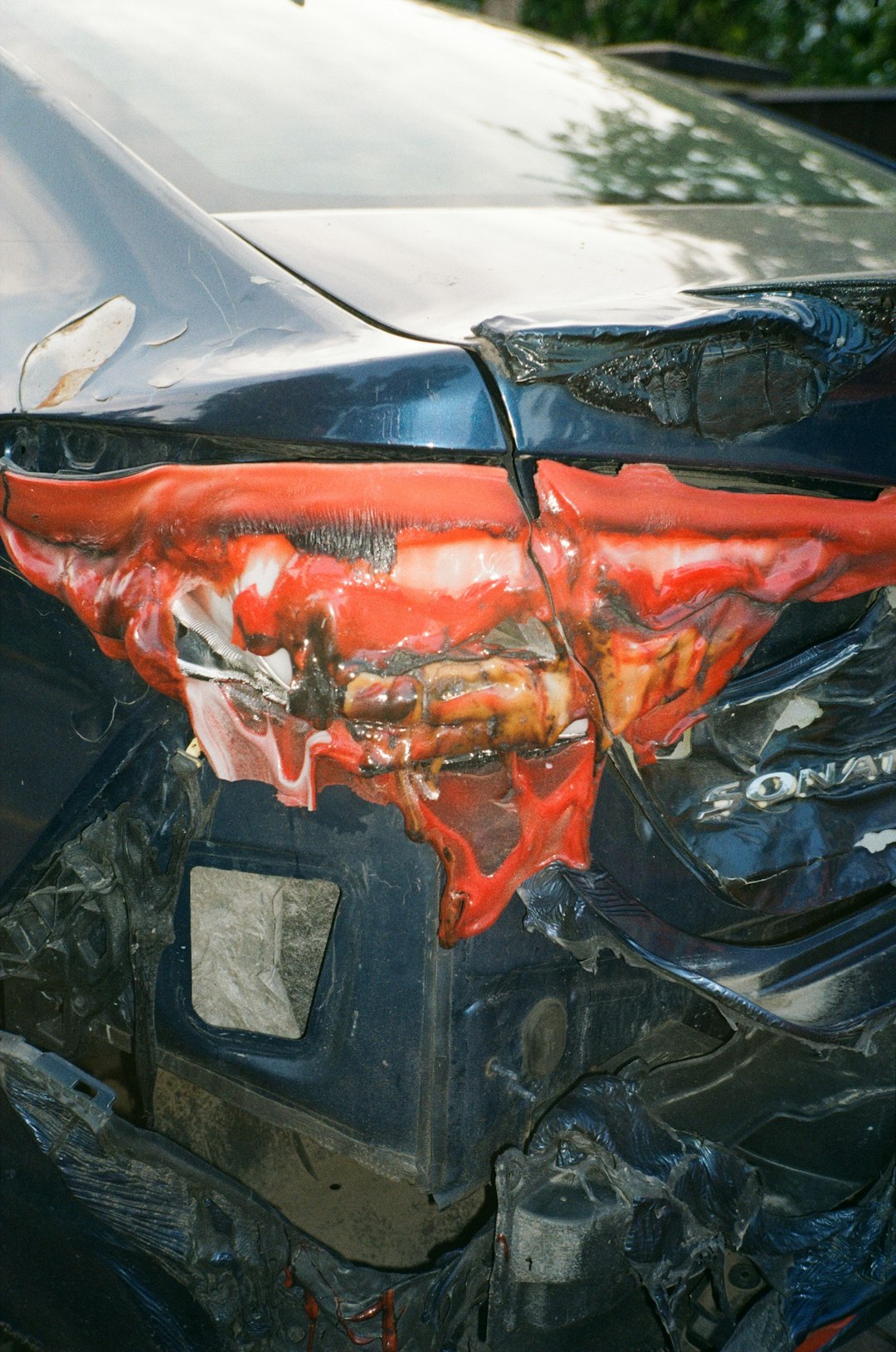
Imagine stepping outside after a storm to find your car looking like it’s been through a battle, covered in dents and dings from hail. It’s a scene you never want to face, but if it happens, the pressing question arises: Does your car insurance cover hail damage?
Hailstorms can strike unexpectedly, leaving you worried about repair costs and the value of your vehicle. You might feel a mix of anxiety and confusion, unsure about what steps to take next. But don’t worry, you’re not alone in this.
Understanding how your car insurance policy handles hail damage can save you time, money, and a lot of stress. We’ll unravel the mysteries of car insurance and hail damage, giving you the peace of mind you need. Ready to discover if you’re protected against nature’s icy assault? Let’s dive in!
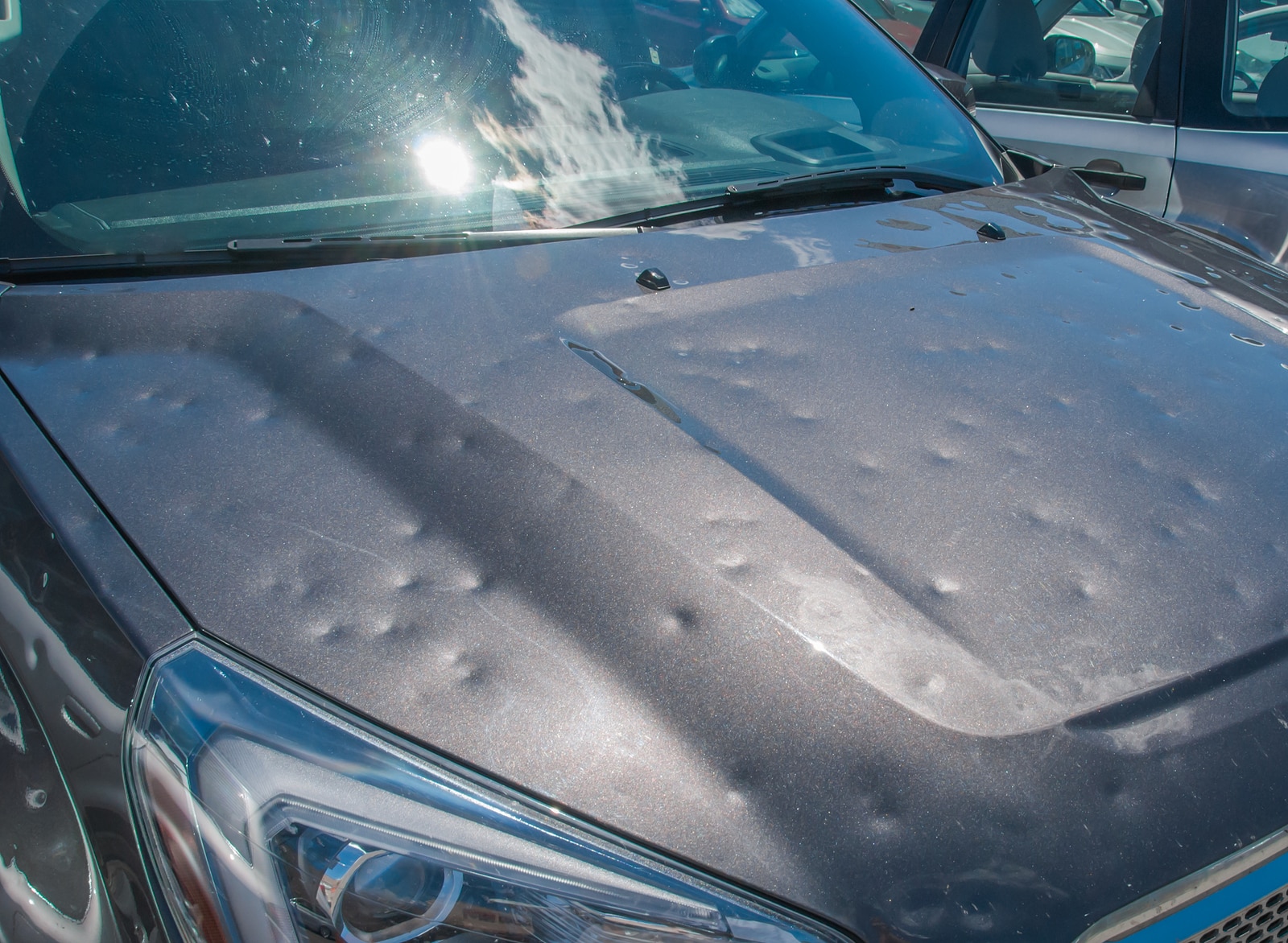
Credit: www.hailmedic.com
Hail Damage And Car Insurance Basics
Weather can be unpredictable, and hailstorms are a perfect example of nature’s fury. If you’ve ever experienced the panic of a hailstorm while your car is parked outside, you might wonder if your car insurance will cover the damage. Understanding the basics of how car insurance interacts with hail damage can help ensure you’re prepared for any stormy surprises.
Types Of Car Insurance Policies
Car insurance policies come in various types, each offering different levels of protection. The most common types include liability, collision, and comprehensive coverage. While liability insurance is mandatory in many regions, it won’t cover hail damage since it’s designed to cover damages to other vehicles or injuries in accidents where you’re at fault.
Collision insurance covers damages to your car from accidents involving other vehicles or objects, but not from weather-related incidents. This is where comprehensive insurance plays a pivotal role, providing a broader safety net.
Comprehensive Coverage Explained
Comprehensive coverage is designed to protect your vehicle from non-collision-related incidents. This includes theft, vandalism, and natural disasters such as hailstorms. If your area is prone to unpredictable weather, comprehensive coverage can be a lifesaver.
Imagine waking up to find your car covered in dings and dents after a fierce hailstorm. With comprehensive insurance, you can file a claim to cover the repair costs, minus your deductible. It’s important to review your policy details to understand the extent of coverage and any exceptions that might apply.
Have you checked if your policy includes comprehensive coverage? If not, it might be time to evaluate your current insurance to ensure your car is fully protected against unexpected weather events.

Credit: www.instagram.com
Hail Damage Coverage Details
When hailstorms strike, they can leave your vehicle with unwanted dents and scratches that may have you wondering if your car insurance has your back. Understanding the specifics of hail damage coverage can save you from unexpected expenses and stress. Let’s dive into what your insurance policy might cover and what exclusions you should be aware of.
What Is Covered?
Comprehensive car insurance typically covers hail damage. This means your insurer will pay for repairs or replacements necessary due to hail. Coverage can include:
- Body dents and scratches
- Windshield and window damage
- Paint chipping
Imagine coming back to your car after a storm only to find it’s covered in dents. With comprehensive coverage, you’re likely protected. However, always check your policy details to be sure. Do you know exactly what your policy covers?
Exclusions To Consider
Even with comprehensive coverage, there might be exclusions that could surprise you. Some policies may not cover:
- Pre-existing damage
- Repair costs exceeding your coverage limit
- Damage occurring while your policy was inactive
Think about the last time you assumed something was covered, only to face a hefty bill. Being aware of these exclusions can prevent that scenario. Have you reviewed your policy lately to ensure you’re fully covered?
Filing A Claim For Hail Damage
Car insurance often covers hail damage, protecting your vehicle from costly repairs. It’s essential to review your policy. Comprehensive coverage typically includes weather-related damages, ensuring peace of mind during stormy seasons.
Filing a claim for hail damage can feel daunting, especially after a storm wreaks havoc on your vehicle. However, knowing the right steps and having the necessary documentation can make this process smoother. By preparing yourself with the right information, you’ll be ready to ensure your insurance claim is handled efficiently.Steps To File A Claim
First, contact your insurance company as soon as possible. Time is crucial, and quick action can help you avoid delays. Next, review your insurance policy. Make sure you understand your coverage and any deductibles that might apply. After that, schedule an inspection with an insurance adjuster. They will assess the damage and provide an estimate for repairs.Documentation Required
Having proper documentation is key to a successful claim. Start by taking clear photos of the hail damage from various angles. These images will support your claim and provide evidence of the extent of the damage. Keep a record of the date and time of the hailstorm. Weather reports can serve as additional proof to back your claim. Lastly, gather any repair estimates from certified auto shops. This information will help your insurer understand the repair costs involved. Are you prepared to tackle the claims process with confidence? By following these steps and gathering the right documentation, you can navigate the hail damage claim process with ease.
Credit: centralautobody.net
Factors Affecting Coverage
Car insurance often includes coverage for hail damage under comprehensive policies. Factors like policy type and deductible impact the coverage. It’s crucial to review your policy details to understand the extent of coverage for hail-related damages.
Understanding the factors that affect your car insurance coverage for hail damage is crucial. It can help you make informed decisions about your policy and what to expect if your car is caught in a hailstorm. Knowing these factors ensures you’re not caught off guard when you need to file a claim.Policy Terms And Conditions
Your insurance policy’s terms and conditions are the first things to check. They outline what is covered and what is not, including specific clauses about weather-related damages like hail. Make sure you read and understand these details, as they can vary significantly between providers. Some policies might require comprehensive coverage to include hail damage. Others may have specific exclusions or limitations, so it’s essential to discuss these with your insurance agent. You don’t want to be surprised by a denial of coverage when you assumed you were protected.Impact Of Deductibles
The deductible on your policy can significantly impact your out-of-pocket expenses after a hailstorm. A higher deductible means you’ll pay more before the insurance kicks in, but it might lower your premium. Consider what you can afford in an emergency. If a $1,000 deductible is too high for your budget, you might want to adjust this to something more manageable. It’s a balancing act between immediate savings on your premium and potential costs when disaster strikes. Have you ever had to pay a deductible for hail damage? It’s a good reminder to review your policy and consider all your options. Adjusting your deductible can be a simple way to tailor your insurance to better fit your financial situation.Common Myths About Hail Damage
Car owners often worry about hailstorms damaging their vehicles. Many myths circulate about insurance coverage for hail damage. These myths can cause confusion and stress. Understanding the truth helps in making informed decisions.
Misconceptions In Coverage
Many believe all car insurance policies cover hail damage. This is not true. Only comprehensive coverage typically includes hail damage. Liability or collision coverage does not offer protection against hail.
Another common myth is that filing a hail damage claim will always increase premiums. This isn’t always the case. Insurance companies consider various factors before adjusting rates. Often, hail damage is seen as an unavoidable natural event.
Clarifying False Beliefs
Some think minor hail damage isn’t worth claiming. This belief is misleading. Even small dents can lower a car’s resale value. It’s wise to assess the damage with a professional before deciding.
There’s also a myth that repairing hail damage isn’t necessary. This can lead to bigger issues. Unrepaired damage can lead to rust and more costly repairs later.
Understanding these myths helps car owners manage their insurance wisely. It also ensures they receive the coverage they need during a hailstorm. Knowledge is key in navigating the world of car insurance.
Tips For Protecting Your Vehicle
Understanding car insurance is vital for protecting your vehicle from hail damage. Most policies include coverage for such weather-related incidents. Review your policy to ensure you have comprehensive coverage, which typically covers hail damage repairs.
Protecting your vehicle from hail damage is not only about having a reliable insurance policy, but also about taking proactive steps to minimize risks. Hailstorms are unpredictable and can cause significant damage to your car, leading to costly repairs. Being prepared can save you both time and money. Here are some practical tips to help you safeguard your vehicle against hail damage.Preventive Measures
Parking your car in a garage or covered area is one of the simplest ways to prevent hail damage. If you don’t have a garage, consider investing in a portable car shelter or hail protection blanket. These can be easily set up and provide immediate protection during unexpected storms. Keep an eye on weather forecasts. Modern technology allows you to receive alerts about hailstorms in your area. Use weather apps to stay informed and make timely decisions about moving your car to a safer location. Are there alternative parking options available? Even a temporary arrangement can make a difference.Choosing The Right Insurance
Check your current insurance policy. Comprehensive coverage is crucial as it typically covers hail damage. Without it, you could face hefty repair bills. Contact your insurance agent to confirm the details and ensure you’re adequately covered. Consider the deductible amount. A lower deductible means less out-of-pocket expense if your car is damaged. It’s worth evaluating whether paying slightly higher premiums for a lower deductible might be a wise choice. Are there any additional benefits offered by your insurer? Some policies may provide rental car reimbursement or roadside assistance, which can be invaluable in the event of a hailstorm. Understanding these aspects can enhance your overall protection strategy. Taking these steps not only safeguards your car but also ensures peace of mind during unpredictable weather conditions.Understanding Your Policy
Car insurance often covers hail damage if you have comprehensive coverage. This type of policy typically protects against non-collision related incidents like hailstorms. Always review your policy details to understand the extent of coverage for weather-related damages.
Understanding your car insurance policy is crucial, especially with hail damage. Many drivers assume their policy covers all damage types. But hail damage may require special attention. Policies differ in coverage specifics. Knowing your coverage can save money and stress.Reading The Fine Print
Review your policy documents carefully. Look for terms related to hail damage. Comprehensive coverage usually includes hail. But some policies may exclude it. Check if there are any deductibles. Understand what your financial responsibility might be. Look for any limitations or conditions. This can prevent surprises during a claim.Consulting Your Insurance Provider
Speak directly to your insurance provider. Ask specific questions about hail damage coverage. Clarify any confusing terms or conditions. They can explain your policy in detail. They might offer advice on filing claims. This ensures you get the coverage you expect. Always keep a record of your conversations. This can be useful if disputes arise later.Frequently Asked Questions
Is It Worth It To Claim Hail Damage On A Car?
Claiming hail damage on a car is often worth it. Insurance can cover repair costs, saving you money. Check your policy’s deductible and coverage limits. Prompt claims ensure accurate assessments and repairs. Regular inspections help identify hidden damage. Always document damage for insurance purposes.
How Much Does Insurance Pay For Hail Damage?
Insurance coverage for hail damage varies. Typically, it depends on your policy’s terms, deductible, and damage severity. Many policies cover repair costs minus the deductible. Check with your insurance provider for specifics.
What Happens If Insurance Totals Your Car For Hail Damage?
Insurance declares your car a total loss when hail damage repair costs exceed its value. You receive a payout based on the car’s current market value. The insurance company may retain the car, or you can opt to keep it with a reduced payout.
How Do I Know If My Insurance Covers Hail Damage?
Check your policy details to see hail coverage. Contact your insurance agent for confirmation. Review deductibles and coverage limits.
Conclusion
Car insurance can cover hail damage, but it depends on your policy. Comprehensive coverage is essential for hail protection. Always check your policy details. Speak with your insurance provider for clarification. They can help explain your coverage. Consider the cost of repairs.
Weigh it against your deductible. This helps you decide the right coverage. Protect your vehicle from unpredictable weather. Investing in the right policy gives peace of mind. Be prepared. Make informed choices about your car insurance. This ensures you’re covered in case of hail damage.
Always stay informed and proactive.

Similar Posts