Does Mexico Have Universal Health Care: Unveiling Facts
Have you ever wondered about healthcare systems around the world? If you’re curious about how Mexico takes care of its citizens’ health, you’re in the right place.
When you think of healthcare, you might envision something complex and distant. But understanding whether Mexico has universal health care doesn’t have to be overwhelming. This article is your guide to unraveling the facts, giving you the clarity you crave.
By the end, you’ll have a clear picture of what universal health care means in Mexico. So, grab your curiosity and let’s dive into the details that matter most to you and your health insights.
Credit: www.internationalinsurance.com
Mexico’s Health Care System
Mexico provides universal health care through a mixed system of public and private services. The public sector includes free and subsidized care for citizens. Access varies, with urban areas having better facilities than rural regions.
Mexico’s health care system is a complex mix. It combines public and private sectors to serve its population. Understanding this system helps in navigating health care options in Mexico.Public And Private Sectors
Mexico’s health care is split into two main parts. Public health care is funded by the government. It aims to provide services to the general population. Private health care, on the other hand, is funded by individuals. It offers more personalized and often faster services. Many Mexicans use both systems, depending on their needs.Role Of Imss And Issste
The IMSS and ISSSTE are crucial in Mexico’s public health care. IMSS stands for Mexican Social Security Institute. It provides services to workers and their families. ISSSTE stands for Institute of Security and Social Services for State Workers. It serves government employees. Both institutions play a vital role in health care coverage. They offer a wide range of services to their beneficiaries.Healthcare Access And Coverage
Access to health care in Mexico varies. Public health care aims to cover all citizens. Yet, not everyone has equal access. Rural areas often face challenges in getting care. Urban areas have more facilities and specialists. Private health care fills in the gaps for those who can afford it. Coverage depends on employment and insurance type. Many people rely on public services for basic health needs.Universal Health Care Concept
Universal health care is a system ensuring everyone has access to health services. This concept aims to provide health coverage without financial hardship. It’s about fairness and equality in health access. Many countries strive for universal health care, adapting their systems to local needs.
Definition And Global Examples
Universal health care means all individuals receive essential health services. It’s not tied to employment or wealth. Countries like Canada and the UK have adopted this system. They provide free or low-cost health services to all residents. These nations prioritize health access for everyone. Each system varies, but the goal remains the same: health for all.
Core Principles And Goals
The core principles of universal health care focus on accessibility and quality. Everyone should receive care regardless of their financial situation. The main goal is to ensure no one is left behind. It aims to reduce health disparities. Universal health care seeks to improve population health overall. This system aims to create a healthier society with equal opportunities for all.
Seguro Popular Initiative
The Seguro Popular Initiative was a groundbreaking program in Mexico. It aimed to provide health care to those without insurance. Established in 2003, it sought to improve access for the underserved.
Origins And Development
The program was launched by the Mexican government. It targeted families lacking formal employment. The idea was to reduce health care inequality. Funding came from public and private sources. Over time, it expanded rapidly. By 2018, it covered millions across Mexico.
Impact On Health Care Access
Seguro Popular increased health care access significantly. More families could afford medical treatments. Clinics and hospitals saw a rise in patient visits. Diseases were caught early, saving lives. Preventive care became more common. Health outcomes improved across demographics.
Challenges And Criticisms
The initiative faced several challenges. Funding inconsistencies were a major issue. Critics argued service quality varied widely. Some areas lacked adequate facilities. Administrative hurdles slowed down processes. Despite these, Seguro Popular marked a positive shift.
Credit: www.internationalinsurance.com
Health Care Reforms In Mexico
Mexico offers a form of universal health care through public programs like Seguro Popular and IMSS. These programs aim to provide affordable medical services to citizens. Efforts continue to improve access and quality of care across the country.
Mexico’s journey toward universal health care has been marked by significant reforms. These changes aim to make health services accessible to all citizens. The government has implemented various strategies to improve the health care system. These efforts focus on expanding coverage and enhancing service quality. Let’s explore the recent policy changes, their effects on universal coverage, and future prospects for health care in Mexico.Recent Policy Changes
Recent years have seen notable policy shifts in Mexico’s health care system. The introduction of the ‘Instituto de Salud para el Bienestar’ (INSABI) replaced Seguro Popular. This change aimed to provide free health services to those without social security. INSABI focuses on improving medical facilities and increasing staff numbers. It also emphasizes providing medicines and essential treatments at no cost. The government has allocated significant funds to support these reforms. This financial commitment indicates a strong push towards universal health care.Effects On Universal Coverage
The reforms have had a substantial impact on universal coverage. More people now have access to essential health services. INSABI has extended coverage to millions who previously lacked insurance. Patients benefit from free consultations, surgeries, and medicines. The system also aims to reduce out-of-pocket expenses for families. Improved access has led to better health outcomes across Mexico. However, challenges remain in reaching remote areas and marginalized communities.Future Prospects
Mexico’s health care system faces several future prospects. Continued investment in infrastructure is vital for sustainable growth. Training more health professionals is crucial to meet increasing demand. Technological advancements could enhance service delivery and patient care. Strengthening partnerships with international organizations may offer additional support. The focus remains on achieving comprehensive health coverage for all citizens. As reforms progress, Mexico moves closer to realizing universal health care.Comparative Analysis With Other Countries
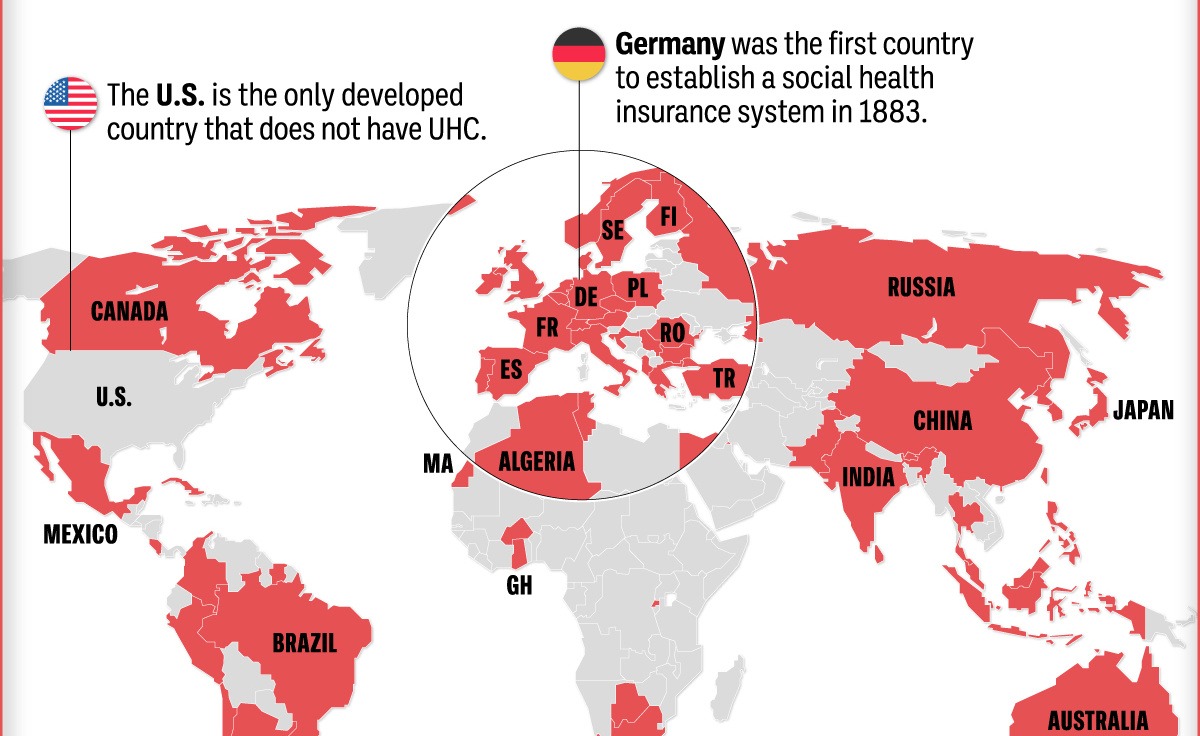
Comparative analysis shows Mexico’s health care system is not fully universal like in Canada or the UK. Many citizens still face challenges accessing complete care.
Comparing Mexico’s healthcare system with other countries that have universal healthcare provides valuable insights into its effectiveness and areas for improvement. While Mexico boasts a universal healthcare system called Seguro Popular, understanding how it stacks up against countries like the UK, Canada, and Sweden can shed light on its strengths and weaknesses. This comparison can guide policymakers, healthcare professionals, and you, the reader, in recognizing what works and what doesn’t.Similarities And Differences
When you look at Mexico’s healthcare system, you’ll find both commonalities and distinctions with other universal systems. Like Canada, Mexico aims to provide healthcare access to all citizens regardless of income. However, the quality and availability of services can vary significantly, often due to funding disparities. While countries like the UK have a centralized system funded through taxes, Mexico’s healthcare relies on multiple funding sources, creating inconsistencies. This can lead to longer wait times and uneven healthcare quality. Have you ever wondered how a nation’s financial strategy impacts your access to care?Lessons From Other Universal Systems
Learning from other countries’ successes and challenges can offer practical solutions for improving Mexico’s system. Sweden, for example, excels in preventative care and patient education, which could be a game-changer for Mexico’s healthcare outcomes. Canada’s approach to reducing wait times through strategic resource allocation might inspire Mexico to streamline its services. Imagine if Mexico could adapt these methods to minimize delays—how might that transform patient satisfaction and health outcomes? By understanding these global examples, you can better appreciate the complexities of universal healthcare and advocate for more effective solutions in your community.Current Challenges In Mexican Health Care
Despite Mexico’s efforts to provide universal health care, the system faces several significant challenges. These issues impact the quality and accessibility of care for many citizens. Understanding these challenges can help identify areas for improvement and potential solutions.
Inequality And Regional Disparities
Inequality remains a critical issue in Mexican health care. While urban areas often have access to advanced medical facilities, rural regions struggle with limited resources. This disparity means that your location could determine the quality of health care you receive.
Have you ever wondered why some regions have better health outcomes than others? The answer often lies in the uneven distribution of health care services. Such disparities not only affect immediate health outcomes but also long-term well-being.
Resource Allocation And Funding
Resource allocation is another pressing challenge. Mexico’s health care funding is often insufficient and unevenly distributed. This lack of funding can lead to shortages in essential medical supplies and staffing.
Imagine arriving at a clinic and finding it closed due to a lack of staff. This is a reality for many in underfunded areas. Better resource management could significantly improve these situations, but how can it be achieved effectively?
Quality Of Care Concerns
Quality of care is a frequent concern among patients. Many report long wait times and rushed consultations. This can lead to misdiagnoses and inadequate treatment plans.
Have you ever felt that your doctor didn’t listen to your concerns? This is a common sentiment among patients in overburdened health systems. Improving the patient experience should be a priority, but what steps can be taken to ensure this happens?
Addressing these challenges requires a commitment to equitable resource distribution and systemic reform. Consider how these issues might affect you if you were navigating the Mexican health care system. What changes would you advocate for? Your voice could be a catalyst for change.
Public Perception And Satisfaction
Public perception and satisfaction play a crucial role in understanding the effectiveness of Mexico’s universal health care system. As citizens navigate their health care experiences, their insights reveal the strengths and weaknesses of the system. How do Mexicans feel about their health care services, and does the system truly meet their needs? Let’s explore the voices and stories of those directly involved.
Citizen Experiences And Feedback
Mexican citizens often share varied experiences about their encounters with the health care system. Some praise the accessibility of services, noting the convenience of receiving care without exorbitant fees. Others highlight challenges such as long wait times and inconsistent service quality. Imagine visiting a clinic for an urgent issue, only to find yourself waiting hours for a doctor—how would that impact your trust in the system?
Feedback is equally diverse. While many appreciate the effort to provide universal coverage, there are calls for improvements in infrastructure and personnel training. The stories of individuals facing obstacles in getting timely medical help are not uncommon. These narratives underline a need for ongoing enhancements to ensure that universal health care truly serves everyone efficiently.
Trust In The Health Care System
Trust is a cornerstone of any health care system’s success. In Mexico, trust levels can fluctuate based on personal experiences and regional differences. Some citizens express confidence in their local health facilities, attributing their assurance to positive past experiences. However, others remain skeptical, especially when faced with bureaucratic hurdles or outdated facilities.
Building trust requires transparency and consistent quality of care. When people feel assured that they will receive necessary treatment without unnecessary delays, their trust grows. Consider your own interactions with health care—do you feel confident in the care provided, and what factors influence your trust in the system?
Ultimately, public perception and satisfaction are essential for evaluating Mexico’s universal health care. By understanding citizen experiences and the factors affecting trust, we can better assess how the system can evolve to meet the needs of all Mexicans.
Credit: licensing.visualcapitalist.com
Frequently Asked Questions
How Much Does It Cost To See A Doctor In Mexico?
Doctor visits in Mexico cost between $30 to $50 USD. Prices vary by location and clinic type. Public healthcare options may be cheaper. Always confirm costs beforehand for accurate information.
What Country Has 100% Free Healthcare?
Cuba offers 100% free healthcare to its citizens. The government covers all medical expenses, including treatments, surgeries, and medications. This comprehensive system ensures accessible healthcare for everyone, regardless of income. Cuba’s focus on preventive care and community-based services contributes to its effective healthcare model.
Is Healthcare Better In Mexico Or The Usa?
Healthcare quality varies between Mexico and the USA. The USA offers advanced technology and specialized care. Mexico provides affordable services and shorter wait times. Personal needs and financial situation influence which is better. Research local facilities and reviews before making a decision.
Is Mexico Having Good Healthcare?
Mexico offers a mix of private and public healthcare options. Private facilities are modern, with excellent services. Public healthcare can vary in quality. Many expats find healthcare affordable and accessible. Consult with a local expert for personalized advice. Always verify healthcare facilities before choosing one.
Conclusion
Mexico’s health care system strives for inclusivity. Challenges remain, yet progress is visible. Universal health care aims to reach all citizens. Access to services varies across regions. Efforts continue to improve coverage and quality. Many receive care, but gaps exist.
Government initiatives push for better health access. Citizens hope for more comprehensive solutions. Understanding local systems helps navigate care options. A healthier Mexico benefits everyone. Awareness and support can drive change. The journey to universal health care continues.

Similar Posts