How Does Air Conditioning Work on a Car: Explained Simply
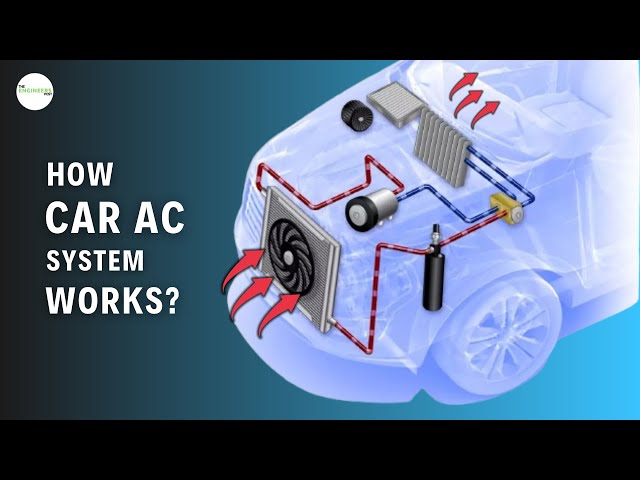
Imagine stepping into your car on a scorching summer day and feeling the refreshing blast of cool air as you switch on the air conditioning. It’s a simple pleasure, but have you ever wondered how this essential system actually works?
Understanding the mechanics of your car’s air conditioning can empower you to keep it running smoothly and efficiently. By mastering the basics, you can ensure that your next drive is comfortable and pleasant, even in the hottest weather. Dive into the fascinating world of automotive air conditioning, and discover how this modern marvel keeps you cool.
Your comfort and the health of your car depend on it—don’t miss out on these vital insights!

Credit: www.agproud.com
Components Of Car Air Conditioning
Understanding how your car’s air conditioning system works can enhance your driving experience, especially during sweltering summer days. The system consists of several key components working in harmony to provide that refreshing breeze you cherish. Let’s dive into the essential parts and see what role each plays in keeping you cool on the road.
Compressor
The compressor is often considered the heart of the air conditioning system. It pumps refrigerant throughout the system, transforming it from a low-pressure gas to a high-pressure gas. This high-pressure gas is crucial for the cooling process that follows. If you’ve ever noticed your car’s AC struggling, it might be due to a faulty compressor.
Condenser
After the refrigerant exits the compressor, it moves into the condenser. Here, it releases heat and turns into a liquid. This process is vital as it allows the refrigerant to lose the heat absorbed from your car’s cabin. Think of the condenser as the component that dispels the heat, ensuring the air blowing into your car is cool.
Expansion Valve
The expansion valve plays a pivotal role by regulating the amount of refrigerant flowing into the evaporator. It transforms the refrigerant from a high-pressure liquid to a low-pressure mist. This change allows the evaporator to absorb heat efficiently. Have you ever adjusted your AC and found it instantly cooler? That’s the expansion valve at work.
Evaporator
Finally, the evaporator is where the magic happens. As refrigerant enters, it absorbs heat and humidity from the air, resulting in a cool, dry breeze. The evaporator helps maintain your comfort by ensuring the air circulating inside the car is at the desired temperature. It’s the unsung hero that combats the heat and humidity for you.
Understanding these components empowers you to better maintain your car’s air conditioning system. Next time you enjoy a cool drive, you’ll appreciate the intricate dance these parts perform to keep you comfortable. What insights have you gained from learning about these components? Share your thoughts and experiences!
The Refrigeration Cycle
Air conditioning in a car relies on the refrigeration cycle to cool the cabin. This process involves circulating refrigerant, which absorbs heat from inside the car and releases it outside, creating a cooler environment for passengers.
The air conditioning system in a car uses the refrigeration cycle. This cycle cools the air inside your vehicle. It involves several components working together. Each part plays a crucial role in the cooling process.
Pressurization And Compression
The cycle begins with the compressor. It pressurizes the refrigerant gas. This compression increases the gas’s temperature. The hot, pressurized gas then moves to the next stage.
Heat Exchange In The Condenser
The hot gas enters the condenser. Here, the gas releases its heat. The condenser acts like a radiator. Fans blow air over it to cool the gas. This heat exchange turns the gas into a liquid.
Pressure Drop And Cooling
The liquid refrigerant flows through an expansion valve. This valve reduces the pressure of the liquid. As pressure drops, the liquid cools rapidly. This cooling prepares it for the next phase.
Heat Absorption In The Evaporator
The cold liquid enters the evaporator. Inside, it absorbs heat from the car’s cabin air. As it absorbs heat, it turns back into a gas. This process cools the air inside the car. The cycle then repeats.
Role Of Refrigerant
The refrigerant plays a crucial role in car air conditioning systems. It is responsible for cooling the air inside your vehicle. This chemical substance circulates through the system, absorbing heat and delivering cold air. It undergoes a continuous cycle of compression and expansion. This cycle changes the refrigerant from a gas to a liquid and back again. This transformation is key to cooling the air effectively.
Types Of Refrigerant
Different types of refrigerants have been used in car air conditioning systems. The most common ones are R-12, R-134a, and R-1234yf. R-12 was widely used in older models but phased out due to environmental concerns. R-134a became the standard due to its lower environmental impact. R-1234yf is now gaining popularity, offering better energy efficiency and less harm to the environment.
Environmental Considerations
Refrigerants can impact the environment significantly. Older refrigerants like R-12 are harmful to the ozone layer. R-134a has less ozone depletion potential but can still contribute to global warming. R-1234yf offers a more eco-friendly alternative with lower global warming potential. Choosing a refrigerant with minimal environmental impact is essential. It helps in reducing the carbon footprint of your vehicle’s air conditioning system.

Credit: www.facebook.com
Climate Control System
The climate control system in your car is like its very own weather machine, ensuring you’re comfortable no matter the season. This system is responsible for maintaining the desired temperature inside your vehicle. It works by regulating the airflow, adjusting the temperature, and controlling the humidity level.
Think about the last time you hopped into your car on a sweltering summer day. You probably cranked up the air conditioning and felt instant relief. This seamless experience is the magic of your car’s climate control system at work.
Manual Climate Control
With manual climate control, you’re in the driver’s seat—literally and figuratively. You adjust the temperature and fan speed manually. It’s straightforward, allowing you to tweak settings based on how you feel at the moment.
Imagine the scenario: a sunny day, windows down, music blaring, but suddenly a rain shower. You quickly roll up the windows and manually adjust the controls to switch from cool air to a cozy warmth. This quick adaptability is one of the appeals of manual systems.
While simple, manual climate control requires more attention from you. You need to constantly adjust settings to maintain comfort, especially during changing weather conditions.
Automatic Climate Control
Automatic climate control takes convenience to another level. You set your preferred temperature, and the system does the rest. It automatically adjusts fan speed and airflow to maintain your desired environment.
Imagine a chilly morning commute. You set the temperature once and let the system ensure you stay warm and snug throughout the drive. It’s like having a personal climate manager.
This system is perfect for those who prefer a hands-off approach. It allows you to focus on the road without worrying about adjusting the temperature constantly. But remember, with great comfort comes a bit more complexity in the system’s mechanics.
Which system do you prefer in your car? Are you a fan of manual control and the freedom to tweak settings, or do you enjoy the ease of automatic climate management? Share your thoughts in the comments below.
Common Issues And Maintenance
Regular maintenance of car air conditioning ensures efficiency. Common issues include refrigerant leaks and faulty compressors. Addressing these promptly prevents costly repairs and ensures a comfortable ride.
Understanding how your car’s air conditioning works is crucial for maintaining a comfortable driving experience, especially during those scorching summer days. However, like any other system in your vehicle, the AC can face issues that can affect its performance. Addressing these common problems and knowing how to maintain your AC system can save you from unexpected breakdowns and costly repairs. Let’s dive into some of the typical issues you might encounter and how you can keep your car’s AC running smoothly.
Leaks And Recharges
Leaks in the AC system are a common issue that can drastically reduce its cooling efficiency. You might notice that the air isn’t as cold as it used to be, which often indicates a refrigerant leak. Refrigerant is crucial for cooling the air, and without it, your AC system can’t perform effectively. To identify a leak, look for oily residue around AC components or a hissing sound when the AC is running. Regularly checking and recharging the refrigerant, if necessary, can help maintain the system’s performance. It’s always a good idea to consult a professional if you’re unsure about handling refrigerants yourself.
Compressor Problems
The compressor is the heart of your car’s AC system. If it fails, the entire system can come to a halt. Common signs of compressor problems include unusual noises when the AC is on, or if the AC doesn’t blow cold air at all. A compressor issue can stem from electrical problems, wear and tear, or debris in the system. Regularly inspecting the compressor and ensuring it’s lubricated can extend its life. If you notice any signs of failure, addressing it early can prevent further damage to your AC system.
Regular Maintenance Tips
Routine maintenance can prevent many AC problems before they start. Start by running your AC periodically, even in winter, to keep the system lubricated and the seals intact. This simple habit can help ensure that the system is ready when temperatures rise. Change your cabin air filter regularly to prevent dust and debris from clogging the system. A clean filter promotes better airflow and efficiency. Additionally, keeping the AC system clean and free of debris can help prevent clogs that might lead to larger issues. What steps do you take to keep your car’s AC in top shape? Implementing these maintenance tips can make a significant difference in your AC’s performance and your driving comfort.

Credit: www.facebook.com
Innovations In Car Air Conditioning
Car air conditioning works by compressing refrigerant to cool the air. The refrigerant circulates through coils, absorbing heat. Innovations have improved efficiency, making systems quieter and more eco-friendly.
Innovations in car air conditioning have changed how we stay cool on the road. These advancements make driving more comfortable and environmentally friendly. Let’s explore some exciting updates in car air conditioning systems.
Eco-friendly Technologies
Modern cars use eco-friendly technologies to reduce environmental impact. One such technology is the use of refrigerants with low global warming potential. These refrigerants help reduce harmful emissions. Car manufacturers also focus on improving energy efficiency. This means air conditioning uses less fuel, saving money and reducing carbon footprints. Solar-powered air conditioning systems are gaining popularity too. They harness solar energy to cool the car, reducing reliance on the engine.
Advanced Climate Control Features
Advanced climate control features offer personalized comfort for every passenger. Dual-zone climate control lets driver and passengers set different temperatures. This ensures everyone stays comfortable, no matter their preference. Some cars come with tri-zone or quad-zone systems for even more options. Automatic climate control adjusts settings based on outside conditions. Sensors measure temperature and humidity, then make precise changes. This keeps the car’s interior at the perfect temperature all the time. Ventilated and heated seats add extra comfort during extreme weather. These features help maintain a pleasant atmosphere inside the car year-round.
Frequently Asked Questions
How Does Car Ac Work Step By Step?
Car AC cools air using a refrigerant. The compressor compresses the refrigerant, turning it into a high-pressure gas. The condenser cools it to a liquid. The expansion valve releases pressure, turning it into a cold gas. The evaporator absorbs heat, cooling the air.
Fans blow the cool air into the cabin.
How Does Car Ac Make Cold Air?
A car AC cools air by using a refrigerant cycle. The compressor compresses the refrigerant, which absorbs heat. The refrigerant then passes through the condenser, releasing heat outside. The cooled refrigerant enters the evaporator, where it absorbs heat from the car’s interior, creating cold air.
How To Fix Car Ac Not Blowing Cold Air?
Check refrigerant levels first. Clean or replace the AC filter. Inspect the compressor and ensure it’s functioning. Examine electrical connections for faults. If issues persist, consult a professional mechanic for diagnosis.
How Often Do You Need To Recharge A Car Ac?
Car ACs typically need recharging every 2-3 years. Regular maintenance helps ensure optimal performance. If cooling efficiency drops, consider a recharge sooner. Always consult your vehicle’s manual or a professional for specific guidance. Proper AC care extends its lifespan and enhances comfort during drives.
Conclusion
Understanding car air conditioning is important for comfort. It cools the interior efficiently. Key components like the compressor and condenser work together. They circulate refrigerant, absorbing heat. Regular maintenance ensures smooth operation. Check for leaks and clean filters often. Proper care extends your system’s life.
Remember, a well-maintained AC improves driving experiences. It’s not just about cooling. It’s about comfort and reliability. Stay cool and enjoy your ride!

Similar Posts