How Much Does a Smart Car Weigh: Discover the Specs
Have you ever wondered about the weight of a smart car? You might be surprised at how light these compact vehicles are.
Understanding the weight of a smart car isn’t just about satisfying curiosity; it’s essential for making informed decisions about fuel efficiency, environmental impact, and even parking convenience. Imagine driving a car that’s nimble, easy to maneuver, and won’t take up much space.
By diving into the specifics of a smart car’s weight, you can uncover some unexpected advantages that could make a smart car the perfect fit for your lifestyle. Keep reading to discover why the weight of a smart car is an important factor to consider in your vehicle choice.
Smart Car Weight Basics
Smart cars have become quite the buzzword in recent years, thanks to their compact design and eco-friendly features. But have you ever wondered about the weight of these tiny vehicles? Understanding the weight basics of a smart car can provide insights into its efficiency and performance.
Definition Of A Smart Car
Smart cars are typically small, fuel-efficient vehicles designed primarily for urban environments. They are known for their compact size and ability to maneuver through tight spaces easily. The term “smart car” often refers to the brand Smart, owned by Mercedes-Benz, but can also encompass other similar vehicles.
These cars are engineered to offer maximum utility with minimal footprint, focusing heavily on innovative design and technology. While their size is a significant selling point, their weight plays a crucial role in their overall functionality.
Importance Of Weight In Vehicle Design
Weight is a fundamental factor in vehicle design, affecting everything from fuel efficiency to handling. Lighter cars generally consume less fuel, making them environmentally friendly and cost-effective. This is a crucial aspect for smart cars, which aim to reduce carbon emissions.
However, a car that’s too light may face stability issues, especially at higher speeds. Designers must strike a balance between weight and safety, ensuring the car remains stable without compromising on efficiency.
Consider your daily commute or a road trip. Would a lighter vehicle enhance your driving experience, or would it feel less secure on the highway? The careful balance of weight in smart cars ensures they remain a reliable option for various driving conditions.
Factors Influencing Smart Car Weight
Smart car weight varies due to factors like design, materials, and technology. Compact size and lightweight materials help reduce the weight. Advanced tech and safety features may add extra pounds.
When you think about a smart car, its compact size might be the first thing that comes to mind. However, the weight of these vehicles is influenced by various factors. Understanding these elements can help you appreciate why a smart car weighs what it does and how it affects performance and efficiency.Material Selection
The choice of materials plays a crucial role in determining a smart car’s weight. Manufacturers often use lightweight materials like aluminum and high-strength steel to keep the vehicle nimble. This not only enhances fuel efficiency but also ensures structural integrity and safety. Imagine driving a car that feels both light and sturdy. That’s the magic of smart material selection. It’s a balancing act that carmakers navigate skillfully to offer you a robust yet lightweight ride.Engine And Transmission Types
The type of engine and transmission is another significant factor. A smaller engine typically means a lighter car. However, opting for a more powerful engine might add some weight but also boost performance. Consider the transmission as well. Manual transmissions are often lighter than automatic ones. Your preference for speed versus convenience might tip the scales on your smart car’s weight.Additional Features And Upgrades
Adding extra features can increase a smart car’s weight. Luxuries like panoramic sunroofs, sound systems, and advanced infotainment systems all add to the heft. Think about your priorities. Is a high-tech dashboard worth the extra weight? Balancing features with weight can be a personal choice that impacts your driving experience. Each decision you make, from materials to features, affects the overall weight of your smart car. Understanding these factors allows you to make informed choices that suit your lifestyle and driving needs. So, what matters most to you in a smart car?Comparing Smart Car Models
Smart cars are known for their compact size and lightweight design. Most models weigh between 1,500 to 1,800 pounds. Understanding the weight differences helps compare fuel efficiency and performance.
Comparing Smart Car Models When you think about smart cars, their compact size is probably one of the first things that come to mind. But how much do these tiny vehicles actually weigh? It’s important to understand the weight differences among various smart car models, as this can influence their performance, fuel efficiency, and even their environmental impact. Let’s delve into the specifics of some popular models and see how they stack up against each other.Popular Models And Their Weights
Here’s a closer look at some of the most popular smart car models and their respective weights:- Smart Fortwo:Known for its iconic design, the Smart Fortwo weighs approximately 1,610 to 1,940 pounds, depending on the model and features.
- Smart Forfour:This model is slightly larger, accommodating more passengers, and weighs between 2,072 and 2,425 pounds.
- Smart EQ Fortwo:As an electric variant, this model weighs around 2,363 pounds, factoring in the weight of the battery.
Weight Variations Across Generations
The weight of smart cars has evolved over the years. Early models of the Smart Fortwo were lighter, focusing on minimalism and urban convenience. As technology advanced, newer generations have incorporated additional safety features and electric options, increasing the overall weight. Here’s a quick comparison:| Generation | Weight Range (lbs) |
|---|---|
| First Generation | 1,600 – 1,800 |
| Second Generation | 1,800 – 2,000 |
| Third Generation | 1,940 – 2,363 |
Credit: www.mercedes-benz-north-vancouver.ca
Impact Of Weight On Performance
Smart cars weigh between 1,500 to 2,500 pounds. Their compact size enhances fuel efficiency and agility. This weight balance supports performance while maintaining safety and comfort.
The weight of a smart car plays a crucial role in its overall performance. As vehicles become lighter, their efficiency and handling often improve. Understanding how weight impacts different aspects of a smart car’s operation can guide potential buyers in making informed decisions.Fuel Efficiency
A lighter smart car usually consumes less fuel. Reduced weight requires less energy to move, enhancing fuel efficiency. Drivers can enjoy more miles per gallon. This can lead to savings at the pump and reduced carbon emissions.Handling And Maneuverability
Weight influences how a smart car handles on the road. Lighter cars often offer better maneuverability. They can turn corners with ease and respond quickly to driver inputs. This makes them ideal for city driving where sharp turns are frequent.Safety Considerations
The weight of a smart car affects its safety features. Heavier cars often provide better protection in collisions. However, smart cars use advanced materials to maintain safety without increasing weight. It’s crucial to balance weight with safety features for optimal protection.Smart Car Weight In Context
Understanding the weight of a smart car offers valuable insights into its efficiency and design. These compact vehicles are designed to be light, enhancing fuel efficiency and maneuverability. By examining their weight in relation to other vehicles, we can appreciate their unique place on the road.
Comparison With Other Vehicles
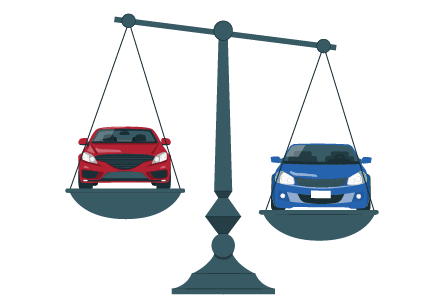
Smart cars weigh significantly less than traditional cars. A typical smart car weighs around 1,500 pounds. In contrast, a compact sedan often weighs over 2,800 pounds. SUVs and trucks can exceed 5,000 pounds easily. This stark contrast highlights the smart car’s lightweight nature. Motorcycles, however, are lighter, usually weighing between 400 and 800 pounds. This makes smart cars heavier than motorcycles but much lighter than most cars. This weight difference impacts performance and fuel economy.
Environmental Implications
The light weight of smart cars benefits the environment. They consume less fuel, reducing carbon emissions. Lower emissions contribute to cleaner air and a healthier planet. The materials used in smart cars are often more sustainable, too. Their compact size means fewer resources used in production. This leads to a smaller carbon footprint. Choosing a smart car can be an environmentally responsible decision. It aligns with a growing trend towards sustainability and eco-friendly transportation.
Credit: www.insurancenavy.com
Future Trends In Smart Car Design
Smart cars are evolving rapidly, with future designs promising to reshape the way we experience driving. These compact vehicles not only save space but also offer efficiency like never before. As technology advances, the focus is shifting towards making smart cars lighter and more sustainable. But how will these changes affect their weight?
Innovations In Lightweight Materials
Imagine a smart car that feels like a feather but is as robust as steel. This is becoming possible thanks to groundbreaking materials. Manufacturers are experimenting with carbon fiber composites and advanced alloys to reduce weight without compromising strength.
In my experience, driving a lighter vehicle feels more agile, like it responds to every touch of the steering wheel with precision. Have you ever wondered how a lighter car might change your driving habits?
Advancements In Electric Smart Cars
Electric smart cars are not just about being eco-friendly; they’re also about reducing weight. By eliminating bulky engine components, these cars are becoming sleeker. This shift is paving the way for smarter designs and improved energy efficiency.
One unexpected benefit is the quieter ride. Without the roar of a combustion engine, you can enjoy a peaceful commute. Imagine cruising through the city with just the gentle hum of your electric motor. Wouldn’t that be a refreshing change?

Credit: www.alibaba.com
Frequently Asked Questions
How Much Does A Smart For Two Car Weigh?
A Smart ForTwo car typically weighs between 1,500 to 1,800 pounds. This compact weight enhances its fuel efficiency. The lightweight design makes it easy to maneuver and park in tight spaces, ideal for urban environments. Always check the specific model year for exact weight details.
What Is The Lightest Smart Car?
The lightest Smart Car is the Smart EQ Fortwo. It weighs approximately 2,050 pounds. This compact electric vehicle is perfect for city driving, offering agility and efficiency. Its lightweight design contributes to its excellent maneuverability and lower energy consumption, making it an eco-friendly choice for urban commuters.
How Much Does A 2008 Smart Car Weigh?
The 2008 Smart Car typically weighs around 1,800 pounds. Its compact design contributes to its lightweight build. This weight includes the standard features and equipment. For specific models, check the owner’s manual or manufacturer’s specifications. Always consider additional weight from cargo or passengers.
What Is The Common Problem With Smart Cars?
Smart cars often face battery issues and limited range. Their compact size can lead to reduced safety in collisions. High repair costs and scarce parts availability also pose challenges. Additionally, smart cars may have limited cargo space, affecting practicality for some users.
Conclusion
Smart cars are compact and practical. Their weight varies by model. Generally, a smart car weighs between 1,500 and 2,000 pounds. Lighter weight helps with fuel efficiency. This makes them eco-friendly. A smaller size also aids in parking. Easy to drive in crowded cities.
Smart cars offer a unique blend of convenience and efficiency. Ideal for urban living. Understanding the weight helps in making informed choices. It aids in selecting the right model for your needs. So, consider the weight when you think about buying a smart car.

Similar Posts