How to Care for a Hydrangea Plant: Expert Tips

Unlock the vibrant beauty of your garden with hydrangeas! These stunning blooms are a favorite for many gardeners, and it’s easy to see why.
With their lush, colorful flowers and ability to thrive in various climates, hydrangeas can transform any outdoor space into a visual paradise. But how do you ensure these beauties flourish year after year? That’s where proper care comes into play.
In this guide, you’ll discover simple yet powerful tips to nurture your hydrangea plants to perfection. Whether you’re a seasoned gardener or a beginner, these insights will help you maintain healthy, flourishing blooms. Imagine your garden filled with the rich colors of hydrangeas, becoming the envy of your neighborhood. Dive in and learn how to make this dream a reality!
Choosing The Right Hydrangea
Hydrangeas thrive with adequate sunlight and moist soil. Regular watering ensures vibrant blooms. Prune wisely for healthy growth and shape.
Choosing the right hydrangea for your garden is crucial. Hydrangeas offer stunning blooms and lush foliage. But not all hydrangeas suit every garden. Consider climate, space, and color preferences. This ensures your hydrangea thrives and enhances your garden’s beauty.Types Of Hydrangeas
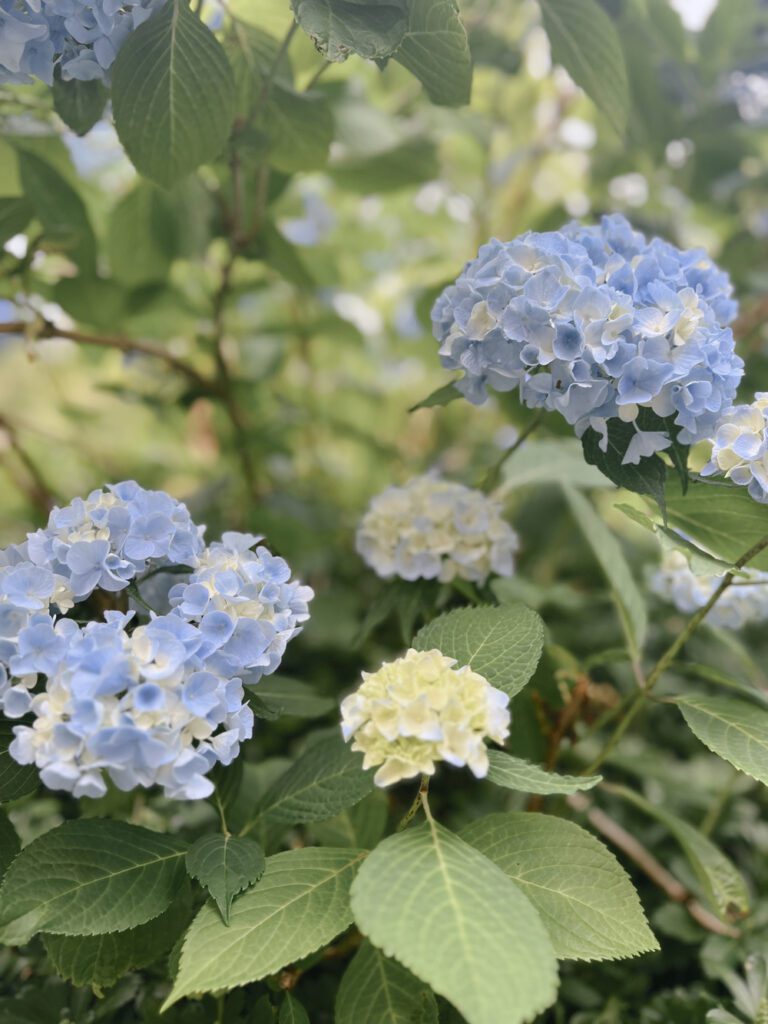
Hydrangeas come in various types. Each type has unique characteristics. – Bigleaf Hydrangea (Hydrangea macrophylla): Known for vibrant colors. Blooms can be blue, pink, or purple. Color depends on soil pH. – Panicle Hydrangea (Hydrangea paniculata): Tolerates cold climates well. Features cone-shaped blooms. Varieties like ‘Limelight’ are popular. – Smooth Hydrangea (Hydrangea arborescens): Native to North America. Offers white blooms. ‘Annabelle’ is a favorite for large flowers. – Oakleaf Hydrangea (Hydrangea quercifolia): Unique leaf shape resembling oak leaves. Provides beautiful fall color. Blooms turn pink as they age. – Climbing Hydrangea (Hydrangea anomala subsp. petiolaris): Ideal for walls and fences. Produces fragrant white flowers. Requires sturdy support.Best Varieties For Your Garden
Selecting the best hydrangea variety depends on your garden space. Here are some top picks:- ‘Endless Summer’ (Bigleaf Hydrangea): Reblooming variety. Offers continuous blooms throughout the season.
- ‘Little Lime’ (Panicle Hydrangea): Compact size. Perfect for small gardens. Provides lime-green blooms that turn pink.
- ‘Incrediball’ (Smooth Hydrangea): Larger flowers than ‘Annabelle’. Sturdy stems prevent drooping.
- ‘Ruby Slippers’ (Oakleaf Hydrangea): Compact form. Features red blooms and stunning fall foliage.
- ‘Skylands Giant’ (Climbing Hydrangea): Vigorous growth. Large flowers. Ideal for shaded areas.
Credit: quantummicrogreens.com
Planting Hydrangeas
Plant hydrangeas in well-drained soil with morning sun and afternoon shade. Regular watering keeps the soil moist but not soggy. Prune after flowering to maintain shape and encourage growth.
Planting hydrangeas can enhance the beauty of any garden. These vibrant blooms require careful planting to thrive. Selecting the right location and ensuring proper planting techniques are crucial.Ideal Location And Soil
Hydrangeas prefer a spot with morning sun and afternoon shade. Too much sun can harm their delicate blooms. Choose a location with well-drained soil. Hydrangeas dislike standing water. Test your soil’s pH. Aim for slightly acidic to neutral soil. Amend your soil if needed. Add organic matter like compost.Proper Planting Techniques
Dig a hole twice the width of the root ball. Ensure the hole is as deep as the root ball. Gently remove the plant from its pot. Loosen its roots with your fingers. Place the hydrangea in the hole. The top of the root ball should be level with the ground. Fill the hole with soil. Press gently to remove air pockets. Water thoroughly to settle the soil. Mulch around the plant to retain moisture. Keep mulch away from the stem to prevent rot.Watering Needs
Watering your hydrangea properly can be the difference between vibrant blooms and wilting leaves. These beautiful plants thrive with specific watering needs that you can easily manage with the right information. Let’s dive into how you can ensure your hydrangea stays healthy and happy.
Signs Of Overwatering
Overwatering can lead to droopy leaves and a lack of blooms. You might notice yellowing foliage or black spots. Check the soil; if it’s constantly soggy, you’re likely overwatering. I’ve learned the hard way that too much love can drown a hydrangea. Is your plant struggling despite your best efforts? It might be time to cut back.
How Often To Water
Hydrangeas enjoy a consistent watering schedule. During hot, dry spells, you may need to water them every few days. However, in cooler, wetter weather, once a week might suffice. A good rule of thumb is to water when the top inch of soil feels dry. Have you found your rhythm yet? A simple check with your finger can guide you.
Pruning Tips
Keep hydrangeas healthy by trimming dead branches and spent blooms. Ensure clean cuts to prevent disease. Prune in late winter or early spring for optimal growth.
Pruning your hydrangea can feel like a daunting task, but it’s a crucial part of ensuring your plant stays healthy and blooms beautifully. The right techniques can make a significant difference in the plant’s growth and appearance. With a bit of know-how, you can turn this task into a rewarding ritual that enhances your garden’s charm.When To Prune
Timing is everything when it comes to pruning hydrangeas. Most varieties benefit from pruning in late winter or early spring, before new growth starts. This is particularly true for the popular ‘Annabelle’ and panicle types. You don’t want to cut back too late, as this can affect the flowering. However, if you have bigleaf hydrangeas, your approach should be different. Prune these right after they bloom in the summer. This allows them to develop buds for the next year’s flowers. Are you ready to adjust your pruning schedule according to your hydrangea type?Tools For Pruning
Having the right tools can make pruning a breeze and ensure clean cuts that don’t damage your plant. A sharp pair of bypass pruners is essential for cutting stems. They provide precision and leave a clean, healthy cut. Dull tools can crush stems, leading to disease. For thicker branches, consider using loppers. They give you the leverage needed to handle larger cuts effortlessly. Always sanitize your tools before use to prevent the spread of disease. Are your pruning tools ready for the task?Fertilizing Hydrangeas
Fertilizing hydrangeas boosts their vibrant blooms and overall health. Choose a balanced, slow-release fertilizer to nourish them. Apply in early spring and midsummer for best results.
Fertilizing hydrangeas is a key step in ensuring these beautiful blooms thrive in your garden. Proper fertilization can enhance their color and overall health, making your garden a more vibrant and inviting space. Understanding the right approach to fertilizing can make all the difference in the success of your hydrangea plants.Choosing The Right Fertilizer
Selecting the right fertilizer is essential for your hydrangeas. You can opt for a balanced, slow-release fertilizer that contains equal parts nitrogen, phosphorus, and potassium, often labeled as 10-10-10. If you want to influence the color of your hydrangea blooms, you can adjust the soil pH with specific fertilizers; acidic fertilizers can lead to blue flowers, while alkaline fertilizers can encourage pink blooms. Using organic options like compost or well-rotted manure can also be beneficial. They not only provide nutrients but also improve soil structure and moisture retention. Have you ever noticed how some plants just seem to flourish more than others? Often, the secret lies in the quality of the soil and nutrients they’re fed.Application Frequency
How often should you fertilize your hydrangeas? Aim to apply fertilizer in early spring as new growth begins, and consider a second application in mid-summer if needed. Over-fertilizing can lead to lush foliage but fewer blooms, so it’s crucial to find a balance. A practical tip is to follow the “less is more” rule. Starting with a smaller quantity and observing how your plants respond can prevent common issues like burning the roots. Have you ever tried a new routine and found it just didn’t work? Sometimes, a cautious approach can lead to the best results. Remember, each hydrangea can have slightly different needs depending on its variety and location. Observing your plants closely and adjusting your approach can help you achieve the most spectacular blooms.Managing Pests And Diseases
Regular inspections of hydrangeas help catch pests early. Remove diseased leaves to prevent spread. Use organic sprays for pest control.
Managing pests and diseases is key to keeping your hydrangea plants healthy. These plants, though resilient, can attract unwanted pests and diseases. Understanding how to prevent and manage these threats ensures your hydrangeas thrive. Focus on maintaining a clean garden and monitoring your plants regularly. This will help in early detection and control of problems.Common Pests
Hydrangeas can attract several pests. Aphids are small, soft-bodied insects that suck sap. They gather under leaves, causing them to curl. Spider mites are tiny and hard to see. They spin webs on leaves, leading to yellow spots. Japanese beetles are shiny and green. They eat leaves, leaving behind holes. Regularly inspect your plants for these pests. Use natural insecticidal soap for control.Disease Prevention
Diseases can affect your hydrangeas, but prevention is possible. Powdery mildew appears as a white powder on leaves. It thrives in humid conditions. Ensure good air circulation by spacing plants apart. Root rot occurs in poorly drained soil. Check soil drainage and avoid overwatering. Leaf spot causes black or brown spots on leaves. Remove affected leaves to prevent spread. Regular garden maintenance reduces disease risk.Seasonal Care
Hydrangea plants thrive with proper seasonal care. Ensure they receive sunlight and shade to flourish. Water consistently but avoid soggy soil. Prune regularly to maintain their shape and promote growth.
Caring for hydrangeas involves adapting your approach with the changing seasons. Each season brings unique challenges and opportunities for nurturing these beautiful plants. By tailoring your care routine to the specific needs of your hydrangeas during each season, you ensure they thrive and bloom brilliantly year after year.Winter Protection
In winter, hydrangeas often need a little extra help to withstand the cold. Begin by adding a thick layer of mulch around the base to insulate the roots. This layer can be made of straw, pine needles, or shredded bark. Consider creating a barrier around the plant using burlap if you’re in an area with harsh winds. The burlap acts as a windbreak and helps protect the delicate branches from breaking. Keep an eye on moisture levels, as winter can sometimes dry out the soil, despite the cold.Spring Preparation
Spring is the time to prepare your hydrangeas for the growing season. Start by removing any dead wood or damaged stems to encourage new growth. Pruning at the right time can significantly impact the plant’s health and bloom quality. Feed your hydrangeas with a balanced, slow-release fertilizer. This provides essential nutrients that support robust growth and vibrant flowers. Consider testing your soil’s pH, as hydrangeas can change color based on soil acidity, allowing you to adjust for your preferred bloom color. Regularly check for new growth and signs of pests as temperatures warm up. Early intervention can prevent larger issues later in the season. Taking these steps in spring sets a strong foundation for a flourishing hydrangea display.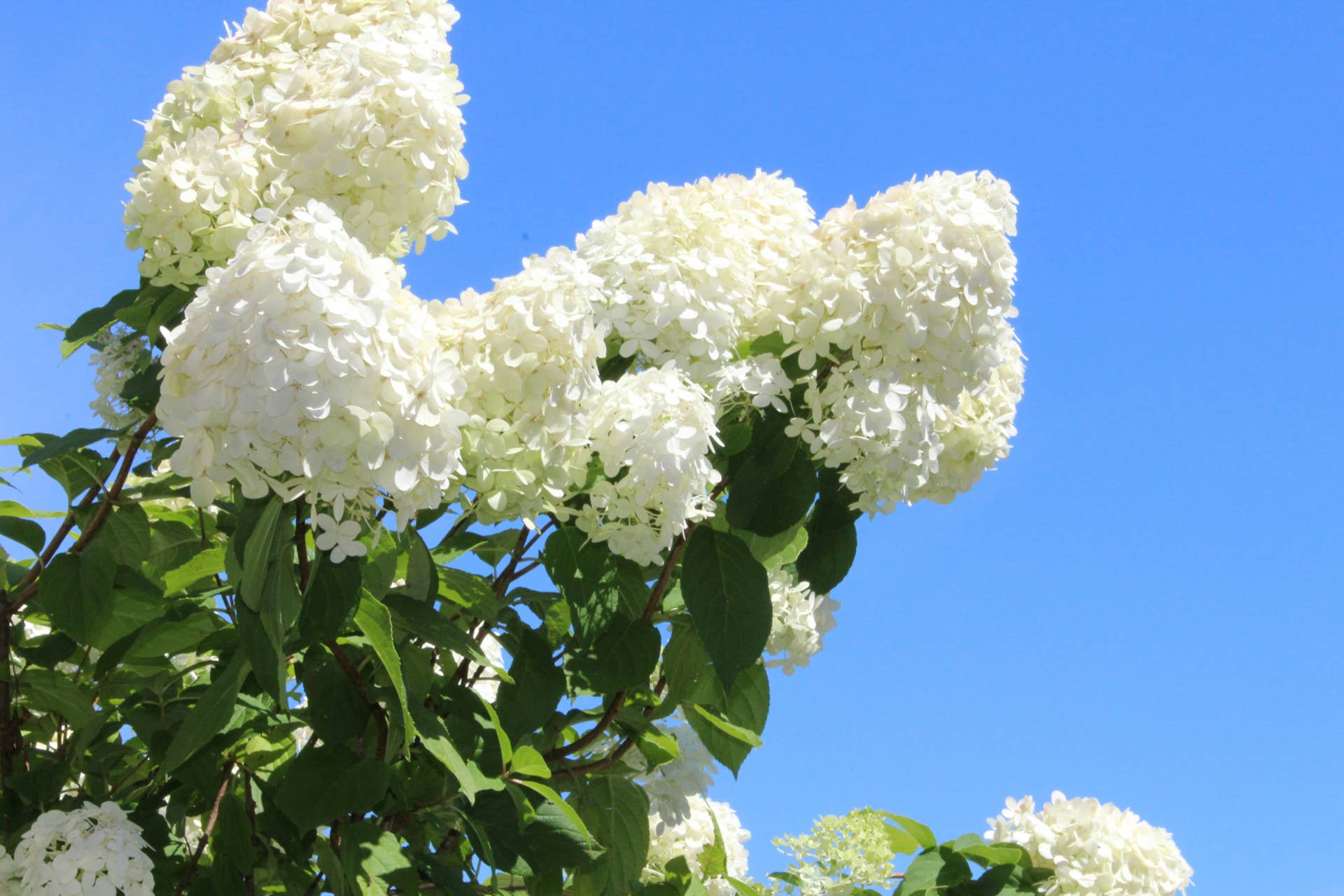
Credit: dengarden.com
Enhancing Bloom Colors
Enhancing bloom colors in hydrangeas involves proper soil management and watering. Adjust soil pH to influence vibrant pink or blue hues. Regularly hydrate the plant without overwatering to maintain healthy, colorful blossoms.
Enhancing the colors of hydrangea blooms can be a delightful gardening task. These plants offer a spectrum of colors, from pink to blue. With the right care, you can make your hydrangea flowers more vibrant. Below, learn about how soil pH affects color, and some tips for achieving those bright blooms.Soil Ph And Color Changes
Hydrangea color depends on soil pH. Acidic soil, with a pH below 6, turns blooms blue. Alkaline soil, with a pH above 7, makes them pink. Neutral soils, around pH 6-7, might show purple shades. Test your soil to know its pH level. You can adjust pH with soil amendments. Use aluminum sulfate for bluer blooms. Apply garden lime for pinker flowers. Follow package instructions to avoid plant stress.Tips For Vibrant Blooms
Ensure your hydrangeas receive morning sun and afternoon shade. This light balance promotes healthy blooms. Water the plants regularly, keeping soil consistently moist. Mulch helps retain moisture and keeps roots cool. Fertilize with a balanced, slow-release fertilizer. Too much nitrogen can reduce bloom color. Prune dead or weak stems to encourage new growth. Avoid heavy pruning, as it might reduce blooms. With proper care, your hydrangeas can display beautiful, vibrant colors.
Credit: www.waysidegardens.com
Frequently Asked Questions
Should I Cut Off Dead Hydrangea Blooms?
Yes, cutting off dead hydrangea blooms encourages new growth and maintains plant health. Prune spent flowers after blooming ends. Use clean, sharp tools to prevent disease. Regular pruning helps shape the plant and improves its appearance. Ensure you know the hydrangea variety before pruning, as different types require specific methods.
How Do You Care For Potted Hydrangeas?
Water hydrangeas regularly, keeping soil moist but not waterlogged. Place in bright, indirect sunlight. Use well-draining soil. Fertilize monthly during growing season with a balanced fertilizer. Prune after flowering to maintain shape.
What Is The 1 3 Rule For Hydrangeas?
The 1 3 rule for hydrangeas advises pruning one-third of the bush each year. This maintains healthy growth and encourages blooms. Regular pruning helps manage size, shape, and supports vibrant flowering. Proper care includes removing dead wood and ensuring enough light reaches the plant’s core.
Do Hydrangeas Like Full Sun Or Shade?
Hydrangeas thrive in partial shade, enjoying morning sun and afternoon shade. Too much sun can damage them. Ensure well-drained soil and regular watering for optimal growth. Some varieties tolerate more sun, but generally, shaded areas help maintain vibrant blooms and healthy foliage.
Adjust sunlight exposure based on your specific hydrangea variety.
Conclusion
Caring for hydrangeas can be simple with the right approach. Keep them hydrated and watch them bloom beautifully. Remember to prune them for healthier growth. Regularly check for pests to keep them healthy. Choose the right soil and location for your plant.
Hydrangeas add charm to any garden with their vibrant colors. With patience and care, you will enjoy lovely blooms each season. Their beauty rewards your effort abundantly. Let your garden thrive with these stunning flowers. Embrace the joy of nurturing hydrangeas today.
They are a delightful addition to your outdoor space.

Similar Posts