How to Care for a Turtle: Essential Tips Unveiled
Are you thinking about bringing a turtle into your home or already have one that needs a little extra care? You’re in the right place.
Caring for a turtle can be a rewarding experience, but it requires understanding their unique needs. These fascinating creatures aren’t just pets; they’re companions that thrive with proper attention and environment. Imagine watching your turtle explore its habitat, healthy and happy, knowing you’ve created the perfect little world for it.
In this guide, you’ll discover simple yet crucial steps to ensure your turtle stays vibrant and content. Dive in to learn how you can provide the best care for your shelled friend, making sure they live a long, fulfilling life by your side.
Choosing The Right Turtle
Choosing the right turtle involves considering its size, habitat needs, and lifespan. Some turtles require more care than others. Researching different species helps in making an informed decision.
Choosing the right turtle for your home can be an exciting journey. Turtles come in various sizes, colors, and habitats. It’s important to select one that suits your lifestyle and environment. Your first step is understanding the different species and what each requires.Species Selection
Different turtle species have varied needs and characteristics. Box turtles are land dwellers and prefer dry habitats. Red-eared sliders are aquatic and need water access. Consider each species’ habitat needs before deciding. Research their dietary requirements as well. Some turtles eat both plants and insects. Others may only need vegetables.Age Considerations
Age plays a significant role in turtle care. Young turtles often need more attention and a special diet. Adult turtles have established routines and are generally easier to care for. Consider your experience with pets. Beginners might prefer older turtles. They are typically more resilient. Young turtles can be fragile and require more care.
Credit: www.pinterest.com
Creating A Suitable Habitat
Creating a comfortable home for your turtle involves maintaining the right temperature and humidity. Provide a spacious tank with clean water and basking spots. Ensure proper lighting to mimic natural sunlight, promoting healthy shell and body growth.
Creating a suitable habitat is crucial for the health and happiness of your turtle. It’s not just about setting up a tank; it’s about creating an environment that mimics their natural habitat. A well-designed setup can make all the difference in your turtle’s life. Let’s dive into how you can create the perfect home for your shelled friend.Tank Size And Setup
Your turtle needs room to roam. A small tank can stunt their growth and cause stress. Aim for a tank that is at least 40 gallons for smaller species, but larger turtles need even more space. Consider the layout. Include both a water area for swimming and a dry area for basking. This balance is essential for their physical and mental well-being. Remember, turtles are messy creatures. Invest in a good filter system to keep the water clean and your turtle healthy.Temperature And Lighting
Temperature control is vital. Turtles are ectothermic, meaning they rely on external heat sources to regulate their body temperature. Keep the water temperature between 75°F and 85°F, and the basking area slightly warmer at 90°F to 95°F. Lighting isn’t just about visibility. UVB lighting is essential for their bone health and shell growth. Without it, turtles can suffer from metabolic bone disease. Replace bulbs every six months even if they seem fine. Their UV output diminishes over time, affecting your turtle’s health.Substrate And Decorations
Choose the right substrate for the bottom of the tank. Sand or gravel can be suitable options, but ensure it’s not too small to be swallowed. Decorations aren’t just for aesthetics. They provide enrichment and hiding spots, which are crucial for a turtle’s mental health. Rocks, plants, and logs can create a stimulating environment. Avoid sharp edges. Turtles are curious and may hurt themselves on jagged surfaces. Always prioritize safety in your decoration choices. Creating a suitable habitat is about understanding your turtle’s needs and replicating their natural environment. What changes will you make to your turtle’s habitat today?Diet And Nutrition
Turtles are fascinating creatures with unique dietary needs. Proper diet and nutrition ensure their long-term health and well-being. Understanding the right feeding schedule, balanced diet components, and appropriate supplements and treats is key to keeping your turtle healthy.
Feeding Schedule
Establishing a consistent feeding schedule helps maintain your turtle’s health. Feed adult turtles every two to three days. Younger turtles require daily feeding for proper growth. Monitor their eating habits to avoid overfeeding.
Balanced Diet Components
A balanced diet is crucial for turtles. Include fresh vegetables, fruits, and protein sources. Leafy greens like kale and spinach are excellent choices. Offer fruits like berries in moderation. Protein can come from insects or commercial turtle pellets.
Supplements And Treats
Supplements support turtle health. Calcium supplements help shell development. Vitamin D is essential for bone health. Occasional treats like mealworms or crickets add variety to their diet. Ensure treats don’t replace regular meals.
Maintaining Water Quality
Clean water is essential for turtle health. Regularly change and filter the tank water to prevent bacteria. Test pH levels to ensure balanced conditions.
Maintaining proper water quality is crucial for your turtle’s health. Clean water prevents diseases and encourages growth. A stable environment keeps your turtle happy and active.Filtration Systems
A good filter is essential for turtle tanks. Filters remove waste and debris, keeping water clear. Choose a filter designed for turtle tanks. Canister filters work well for larger tanks. Submersible filters fit smaller tanks. Ensure the filter suits your tank size.Regular Cleaning Routine
Regular cleaning prevents harmful bacteria buildup. Change a portion of the water weekly. Remove uneaten food and waste daily. Scrub the tank glass to prevent algae growth. Clean the filter monthly to ensure efficiency.Testing Water Parameters
Test water parameters regularly. Use a water testing kit to check levels. Monitor pH, ammonia, and nitrate levels. Safe water parameters keep turtles healthy. Maintain a balanced environment for your turtle’s comfort.Handling And Interaction
Gently hold a turtle with both hands, supporting its shell. Avoid sudden movements to prevent stress. Regular interaction builds trust and keeps your turtle happy and healthy.
Handling and interacting with your turtle is a rewarding experience. It strengthens the bond between you and your shelled friend. Proper handling and interaction ensure your turtle’s comfort and safety.Safe Handling Techniques
Always wash your hands before and after touching your turtle. This prevents disease spread. Support the turtle’s body when lifting it. Use both hands, one under the shell and the other on top. Avoid holding turtles by their legs or tail. This can cause injury. Keep movements slow and gentle to prevent stress. Limit handling time to reduce anxiety.Socializing With Your Turtle
Turtles enjoy gentle interaction. Talk softly while spending time near them. Provide a safe, calm environment for socializing. Allow your turtle to explore outside its tank. Supervise this time closely. Introduce toys or objects for mental stimulation. Create a routine for interaction to build trust. Respect your turtle’s space. Not all turtles enjoy frequent handling.
Credit: imperialreptiles.com
Health And Wellness
Turtles need a clean, spacious tank and a balanced diet for good health. Provide fresh water daily and maintain the right temperature. Regular vet check-ups ensure they stay healthy and happy.
Caring for a turtle is a rewarding experience, but it requires attention to their health and wellness. Just like any pet, turtles can face a range of health issues that need your care and vigilance. Being proactive in recognizing these problems and knowing when to seek professional help is crucial for your turtle’s longevity and happiness. Let’s dive into some essential aspects of maintaining your turtle’s health.Recognizing Common Health Issues
Turtles can exhibit various signs when they are unwell. Look out for lack of appetite or difficulty in eating. If your turtle is lethargic or has changes in its shell or skin, these could be signs of health issues. Respiratory problems are common, often indicated by wheezing or discharge from the nose. Keep an eye on their behavior and physical condition regularly. A friend once noticed her turtle was basking excessively and had swollen eyes, which turned out to be a vitamin deficiency. By being observant, she was able to address the issue quickly.When To Visit A Veterinarian
Knowing when to consult a veterinarian can be a game-changer. If you notice persistent symptoms or your turtle seems distressed, it’s time to get professional help. Sudden weight loss, shell deformities, or ongoing respiratory issues require immediate attention. Don’t wait for the situation to worsen. Ask yourself: Is my turtle showing signs that aren’t improving with home care? If yes, trust your instincts and seek expert advice. Your vigilance can make all the difference in your turtle’s health journey.Seasonal Care Considerations
Turtles need special care as seasons change. In colder months, ensure their habitat stays warm and cozy. During warmer months, provide shade and hydration to prevent overheating.
Caring for a turtle isn’t just about feeding and cleaning. It’s about understanding their needs as they change with the seasons. Whether it’s the chilly winter months or the blazing summer days, each season requires special attention to keep your shelled friend happy and healthy.Hibernation Needs
Hibernation is a natural process for many turtle species. As the temperature drops, you might notice your turtle becoming less active. This is a sign they may be preparing to hibernate. It’s essential to create a safe environment for hibernation. Ensure the hibernation space is cool, quiet, and free from disturbances. You might want to consider using a small fridge specifically set for this purpose, maintaining a temperature around 40-50°F (4-10°C). Regularly check on your turtle during hibernation. A slight misting can help prevent dehydration, but too much moisture can be harmful. Are you prepared to adjust the temperature if needed?Summer Care Tips
Summer brings warmth that turtles love, but too much heat can be dangerous. Make sure your turtle has a shaded area to retreat from the sun. A shallow water dish can provide a perfect spot for cooling down. Hydration is crucial during the hotter months. Ensure your turtle has constant access to clean water. Adding a few leafy greens to their diet can also help keep them hydrated. Be mindful of predators if your turtle spends time outdoors. Secure their space with a proper enclosure. How will you ensure their safety while letting them enjoy the summer sun? By tuning into these seasonal care considerations, you’ll be well-equipped to offer the best life for your turtle, year-round.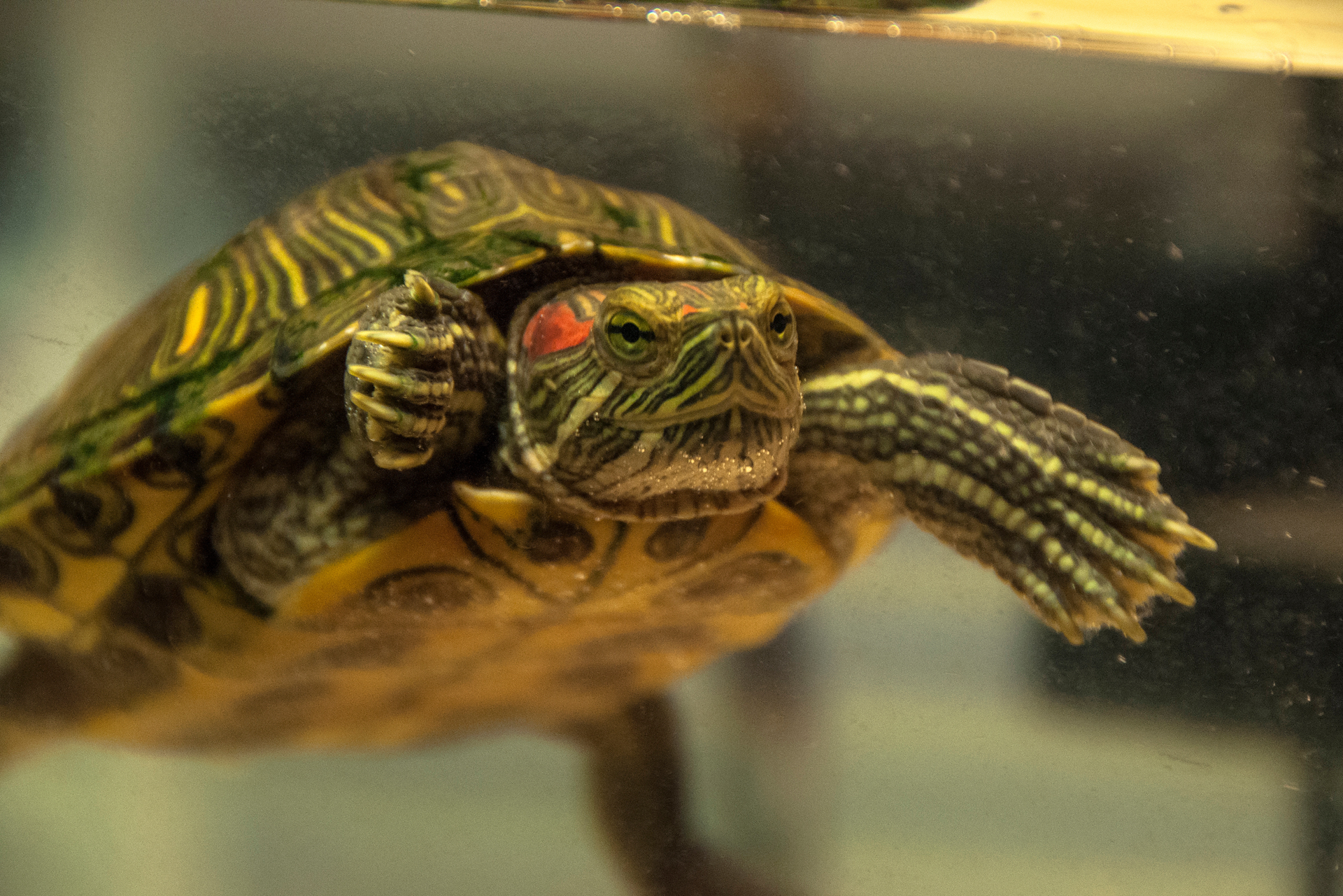
Credit: pethelpful.com
Long-term Commitment
Embracing the role of a turtle owner is not a fleeting hobby but a long-term commitment. Turtles can live for decades, sometimes outliving the person who initially adopts them. This enduring companionship requires a thoughtful evaluation of your time, financial resources, and dedication.
Time Investment
Are you ready to add a turtle to your daily routine? Turtles require regular care, including feeding, cleaning their habitat, and monitoring their health. Unlike pets that thrive on interaction, turtles demand consistent maintenance and observation.
Consider the time needed for habitat cleaning, which is crucial for their health. Weekly cleaning sessions can prevent diseases and unpleasant odors. Are you prepared to dedicate at least an hour every week to ensure their environment remains pristine?
Financial Considerations
Owning a turtle isn’t just about buying the animal; it’s about maintaining a suitable environment. The initial setup can be costly, with expenses for a tank, lighting, filtration systems, and dietary needs. Have you budgeted for these initial costs?
Moreover, ongoing expenses include food, health check-ups, and potential veterinary care. Unlike a cat or dog, finding a veterinarian specializing in reptiles might be more challenging and costly. Consider if your finances can support these long-term needs before making the commitment.
Owning a turtle is rewarding, but it is a commitment you need to be fully prepared for. Are you ready to invest the time and money required to keep your turtle healthy and happy for many years to come?
Frequently Asked Questions
Is Taking Care Of A Turtle Easy?
Caring for a turtle isn’t always easy. They need a proper habitat, balanced diet, and regular cleaning. Turtles also require UVB lighting and temperature control. Regular health checks are essential. Their long lifespan means a long-term commitment. With dedication, they can be rewarding pets.
Can I Keep A Turtle I Found Outside?
Keeping a wild turtle may be illegal in some areas. Check local wildlife laws first. Wild turtles require specific care, which can be challenging. It’s best to leave them in their natural habitat for their well-being. Consider adopting a turtle from a rescue or pet store instead.
What Do I Need For A Turtle For Beginners?
For a beginner, you need a spacious tank, UVB light, heat lamp, water filter, basking area, and a balanced turtle diet. Regular cleaning and monitoring of water temperature and quality are essential. Ensure a secure lid to prevent escapes. Provide hiding spots and enrichment for a happy, healthy turtle.
Do Turtles Get Attached To Their Owners?
Turtles can recognize their owners, showing signs of familiarity. They may respond to voices or presence. Bonding varies among species and individuals. Spending time and providing care can enhance attachment. While not as expressive as other pets, turtles can form subtle connections.
Conclusion
Caring for a turtle is rewarding. These creatures need a balanced diet. Clean habitats are essential. Regular health checks keep them thriving. Spend time observing their behavior. Each turtle has unique needs. Invest in quality lighting and heat sources. Ensure water is clean and fresh.
Understand their species-specific requirements. Patience is key in building trust. Small changes can make a big difference. A happy turtle means a happy owner. With care, turtles can live long lives. Enjoy the journey of turtle care. It’s a fulfilling experience.
Your turtle will thank you.

Similar Posts