How to Get a Bill of Sale for a Car: Ultimate Guide
Imagine driving off with your dream car, knowing you’ve got all the paperwork sorted. That peace of mind starts with a simple document: the bill of sale.
You might think it’s just a piece of paper, but it holds the power to protect your purchase and keep everything crystal clear. Whether you’re buying or selling, understanding how to get a bill of sale for a car is crucial.
Don’t let confusion or uncertainty cloud this exciting moment. In this guide, you’ll discover straightforward steps that ensure your transaction is smooth and secure. Feel confident, avoid hassles, and make your car deal a breeze. Ready to take control of your car buying or selling process? Let’s dive in!
What Is A Bill Of Sale?
A Bill of Sale is a document that records the sale of a car. Obtain one by downloading a template online or visiting a local office supply store. Fill it with details like buyer, seller, and car information, then sign.
When you’re buying or selling a car, a bill of sale is an essential document. It serves as proof of the transaction and can be crucial for future reference, whether for legal, insurance, or tax purposes. Understanding what a bill of sale is and why it’s important can help you navigate the buying or selling process with confidence.Understanding The Purpose Of A Bill Of Sale
A bill of sale is more than just a receipt. It’s a written agreement between the buyer and seller that outlines the details of the sale. This document typically includes information such as the vehicle’s make, model, VIN, purchase price, and the names and signatures of both parties involved. Why is this document important? Imagine selling your car and the new owner gets into legal trouble with it. Without a bill of sale, proving that you no longer own the vehicle can be challenging. This document can protect you from liability and provide clarity about the transaction.Components Of A Bill Of Sale
What should a bill of sale include? Here are some key elements:- Vehicle Description: This includes the make, model, year, and VIN number. These details ensure there’s no confusion about which car was sold.
- Purchase Price: Clearly stating the amount exchanged helps avoid disputes later on.
- Date of Sale: This marks the official transfer of ownership. It’s crucial for any legal or tax implications.
- Buyer and Seller Information: Full names and addresses of both parties provide clarity and accountability.
- Signatures: Both parties should sign the document to acknowledge the terms of the sale.
Why You Need A Bill Of Sale
Are you asking yourself, “Do I really need this document?” Consider this: a bill of sale can be a lifesaver in various scenarios. It can serve as proof of purchase for insurance claims, assist in tax deductions, and provide legal protection in case of disputes. Furthermore, having a detailed bill of sale can streamline the registration process with the Department of Motor Vehicles (DMV). Without it, registering your vehicle could become a cumbersome task.Personal Insights On Bill Of Sale
Reflecting on my first car purchase, I vividly remember the peace of mind that came with having a bill of sale. It was more than just a piece of paper; it was my assurance that the transaction was legitimate and documented. Without it, I would have felt uneasy about the deal, especially when handling registration and insurance. The clarity it provided was invaluable, and I highly recommend you prioritize obtaining one in your car transactions. So, what are your thoughts? Have you ever faced a situation where a bill of sale would have been beneficial?Importance Of A Bill Of Sale
A Bill of Sale is crucial for transferring car ownership legally. Secure one by contacting the seller and filling out necessary details. This document ensures both parties understand the sale terms.
The importance of a bill of sale cannot be overstated when it comes to buying or selling a car. This legal document serves as a proof of ownership transfer, safeguarding both the buyer and the seller from future disputes. Imagine selling your car, only to receive a call months later about unpaid parking tickets in your name. A bill of sale can prevent such nightmares by clearly documenting the transaction details.Ensures Legal Protection
A bill of sale acts as a shield against legal troubles. It clearly outlines the terms of the sale, reducing the risk of misunderstandings or fraud. Without it, you might find yourself in a sticky situation, trying to prove that you no longer own the vehicle. Make sure to include both parties’ information, vehicle details, and the agreed price to secure your rights.Facilitates Smooth Transactions
Having a bill of sale simplifies the process of transferring ownership. It provides a written record of the transaction, which can be crucial when registering the car with the DMV or dealing with insurance companies. Why leave room for doubt when a simple document can ensure clarity and confidence for both parties involved?Serves As Proof Of Ownership Change
Imagine this: you buy a used car and, a few months later, the previous owner claims that you haven’t paid them. A bill of sale serves as concrete evidence that the car now belongs to you, along with the terms of payment. This document is your ally in proving ownership, especially if disputes arise down the line.Helps In Record Keeping
A bill of sale is not just a legal formality; it’s a vital part of your record-keeping arsenal. Maintaining a copy can be invaluable for tax purposes, as well as for tracking your vehicle’s history. It provides a snapshot of the transaction, which can be useful for future reference. Have you ever had to search through piles of paperwork, wishing for a better system? A well-organized bill of sale can save you from such hassles.Key Components Of A Bill Of Sale
Understanding key components of a bill of sale is crucial. It includes details like buyer and seller names, vehicle description, and purchase price. Ensure signatures from both parties to validate the agreement.
Getting a bill of sale for a car involves understanding its key components. This document is crucial for verifying the transfer of ownership. It provides legal protection to both parties involved in the transaction. Recognizing each component ensures clarity and prevents future disputes.Buyer And Seller Information
The bill of sale must include complete details of both parties. Full names, addresses, and contact information are essential. This information helps identify and verify the buyer and seller.Vehicle Details
Specific details about the car are vital for a clear record. Include the make, model, year, and VIN. These details ensure the right vehicle is being sold.Purchase Price
The agreed purchase price should be clearly stated. It confirms the financial terms of the sale. Both parties should agree on this amount before signing.Date Of Sale
The date of sale marks the official transfer of ownership. It is important for legal purposes. This date should be accurate and recorded on the document.Signatures
Signatures from both parties finalize the agreement. They demonstrate consent to the terms of the sale. Without signatures, the document lacks legal validity.
Credit: ailawyer.pro
Types Of Bills Of Sale
Obtaining a bill of sale for a car involves different types, such as absolute, conditional, or quitclaim bills. Each type serves a unique purpose in documenting the sale and transfer of ownership. Ensure you choose the right one based on the transaction’s requirements.
In the world of car transactions, a Bill of Sale is crucial. It serves as proof of purchase and outlines the terms of the sale. Not all Bills of Sale are the same. Different types cater to various needs and situations. Understanding these types ensures a smooth buying or selling process.General Bill Of Sale
A General Bill of Sale is the most common type. It documents a straightforward transaction between buyer and seller. This bill includes essential details like the vehicle’s VIN, sale price, and date. Both parties must sign it for authenticity. It serves as a basic legal record of the sale.As-is Bill Of Sale
An As-Is Bill of Sale states that the vehicle is sold without warranties. The buyer accepts the car’s current condition. This type protects the seller from future claims. It’s crucial for both parties to understand the vehicle’s condition clearly. The document should list any known defects.Warranty Bill Of Sale
A Warranty Bill of Sale offers the buyer some form of guarantee. The seller assures that the vehicle meets certain conditions. These conditions might include mechanical soundness or repair promises. This type provides peace of mind to the buyer. It’s essential to detail the warranty terms explicitly.How To Draft A Bill Of Sale
Drafting a bill of sale for a car involves gathering seller and buyer details. Include vehicle information like make, model, and VIN. Clearly state sale price and payment terms, ensuring both parties sign and date the document.
Drafting a bill of sale for a car might seem daunting at first, but with a bit of guidance, you can handle it like a pro. A bill of sale is a crucial document that acts as proof of the transaction between the buyer and seller. It ensures transparency and legal protection for both parties involved. Here’s how you can draft a bill of sale effectively, whether you prefer using online resources, hiring a professional, or going the DIY route.Using Online Templates
Online templates are a great starting point, especially if you’re new to drafting legal documents. These templates are often customizable and can help you cover all the necessary components without missing any critical details. Many websites offer free templates tailored to different states, ensuring that you comply with local legal requirements. Simply download a template that fits your needs, fill in the relevant details like buyer and seller information, vehicle description, and sale price, and you’re good to go. Online templates are convenient, but it’s important to verify that the template includes all required fields for your specific transaction. A quick tip: check reviews or forums for feedback on the template you choose to ensure its reliability.Hiring A Professional
If you’re someone who values peace of mind above all else, hiring a professional to draft your bill of sale might be the best choice. Professionals like lawyers or notary publics have the expertise to draft a document that meets legal standards and can offer personalized advice based on your situation. While this option might cost more than using a free template, it can save you from potential legal headaches down the road. Imagine the relief of knowing that every detail is handled by someone who knows the ins and outs of legal documentation. Don’t hesitate to ask your professional about any questions or concerns you may have. They are there to ensure that your transaction is as smooth and legally sound as possible.Diy Approach
Feeling adventurous and confident in your document-drafting skills? Creating your own bill of sale from scratch is entirely possible and can be quite fulfilling. Start by researching what elements a bill of sale should include, such as vehicle identification number, odometer reading, and sale terms. Drafting your own document allows you to tailor it to your specific transaction. You can add unique clauses or terms that might not be included in standard templates. Just remember to make sure your bill of sale complies with your state’s legal requirements. Before finalizing, consider having a friend or family member review your document. A fresh set of eyes can catch details you might overlook and provide valuable feedback.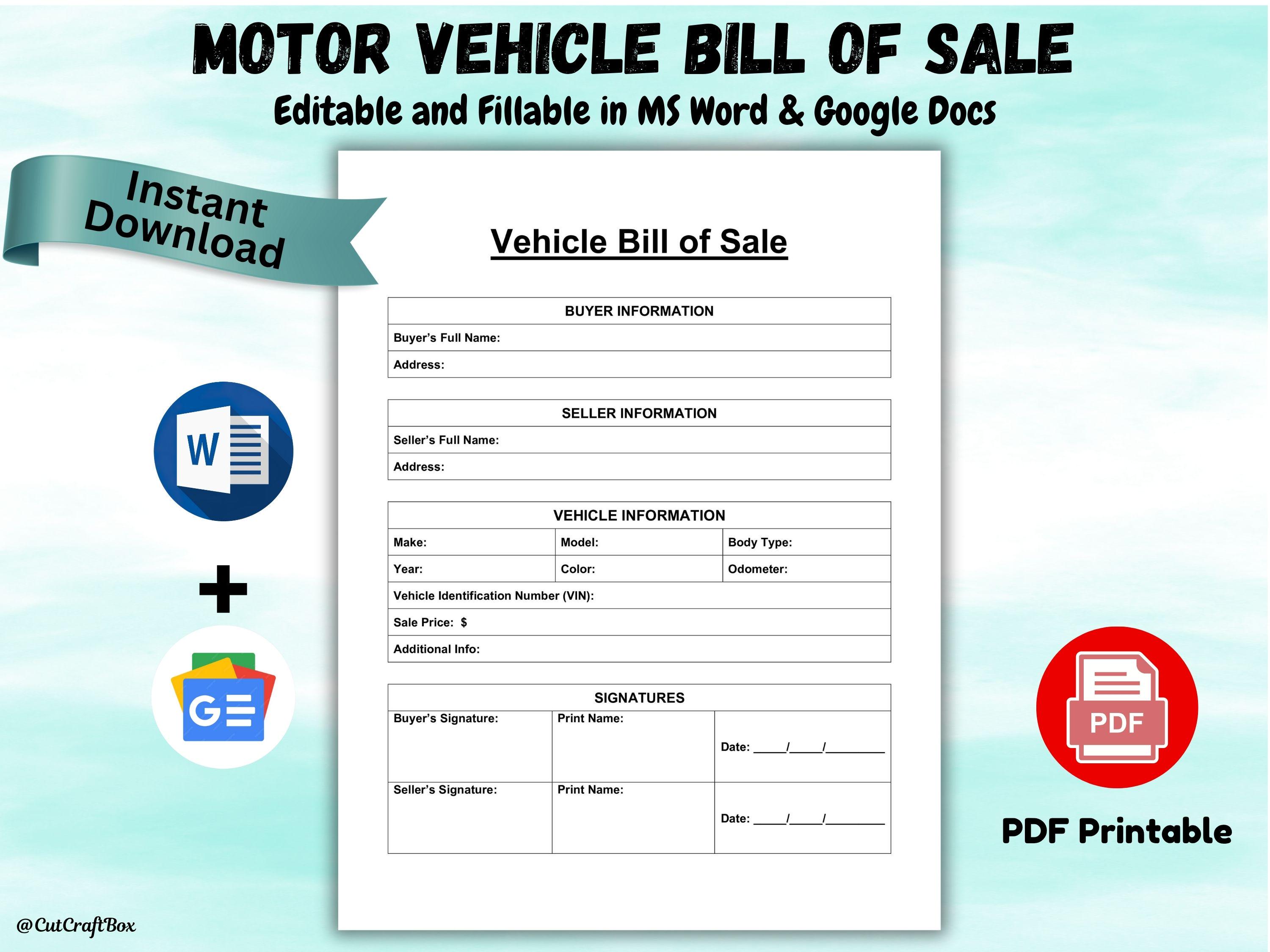
Credit: www.etsy.com
Legal Requirements By State
Understanding the legal requirements by state is crucial for obtaining a car’s bill of sale. Each state has specific guidelines, often requiring details like buyer and seller information, vehicle description, and sale price. Ensure compliance with your state’s regulations to facilitate a smooth vehicle transaction.
Understanding the legal requirements for obtaining a bill of sale for a car is crucial to ensuring a smooth transaction. Each state has its own specific regulations that can vary widely, affecting what information must be included and whether additional steps, like notarization, are necessary. Knowing these differences can save you from potential legal headaches down the road. So, how does your state handle bill of sale requirements?State-specific Regulations
Every state has its own unique set of rules regarding what needs to be included in a bill of sale. Some states may require detailed information such as the Vehicle Identification Number (VIN), the car’s make and model, and the selling price. Others might demand additional documentation, like proof of insurance or title. For example, in California, a bill of sale is not mandatory, but it can be beneficial for both buyer and seller to have one as proof of the transaction. Meanwhile, in Florida, you must include the odometer reading and the buyer’s name and address. Having a solid understanding of your state’s specific requirements can prevent issues like title disputes or registration delays. Have you checked the regulations for your state yet?Notarization Requirements
Notarization is another aspect where states differ significantly. Some states mandate that a bill of sale be notarized to be legally binding. This requirement can add an extra layer of security to the transaction, ensuring that both parties are who they say they are. For instance, Louisiana requires notarization of the bill of sale, adding credibility and preventing fraud. On the other hand, states like Texas do not require notarization, simplifying the process for sellers and buyers. Understanding whether your state requires a notarized bill of sale can help you prepare in advance and avoid any last-minute surprises. Have you considered whether notarization might be necessary in your state?Common Mistakes To Avoid
Ensure all necessary details are included in the bill of sale. Verify signatures and accurate information to avoid legal issues. Double-check the document for completeness and clarity to ensure a smooth transaction.
When preparing a bill of sale for a car, mistakes can happen. These errors can cause delays and legal issues. Being aware of common mistakes is crucial. It ensures a smooth transaction. Here are some pitfalls to avoid.Incomplete Information
A bill of sale must include all necessary details. Both buyer and seller should be fully identified. Include full names and contact information. Omitting these can invalidate the document. Always double-check before finalizing.Missing Signatures
Both parties need to sign the bill of sale. This step confirms agreement to the terms. Without signatures, the document holds no legal weight. Ensure both the buyer and seller sign. Do not leave this step until later.Incorrect Vehicle Details
Verify the vehicle’s information carefully. Include make, model, year, and VIN. Errors in these details can lead to disputes. Double-check the accuracy of all entries. Mismatched information complicates ownership transfer. Always review the data before submission.
Credit: www.etsy.com
Storing And Protecting Your Bill Of Sale
Safeguard your car’s bill of sale by storing it in a secure, easily accessible location. Consider digital copies as backups. Keep both paper and electronic versions to ensure you have proof of ownership when needed.
Storing and protecting your bill of sale is crucial. This document proves ownership and provides important transaction details. Safeguarding it ensures peace of mind and easy access when needed. Here are some essential ways to store and protect this vital document.Digital Copies
Create a digital copy of your bill of sale. Scan the document using a scanner or a smartphone app. Save it in a secure location on your computer. For extra security, store it in a cloud service. This ensures access even if your device is lost or damaged.Physical Copies
Keep the original bill of sale in a safe place. A fireproof safe or a lockable drawer works well. Ensure it’s dry and away from direct sunlight. It prevents fading and deterioration over time. Consider making a few photocopies. Store them in different locations for added security.Security Tips
Protect your bill of sale from theft or loss. Use strong passwords for digital storage. Regularly update these passwords. Avoid sharing them unnecessarily. For physical copies, limit access to trusted individuals only. Consider labeling the storage location discreetly. It helps in quick retrieval without drawing attention.What To Do If You Lose Your Bill Of Sale
Losing a bill of sale can be frustrating. First, contact the seller for a duplicate copy. If unavailable, check with your state’s DMV for alternative documentation options.
Losing your bill of sale can seem overwhelming. This document is essential for proving ownership and completing registration. But don’t worry, there are ways to retrieve or replace it. Here’s what to do if you lose your bill of sale.Retrieving Copies
Start by checking your records. You might have saved a digital copy or filed the document. Search through your emails or cloud storage. Some individuals scan important papers for safekeeping. If you can’t find a copy, contact your local DMV. They may have records of the transaction. You might need to provide identification or vehicle details. This could include the VIN or registration number.Contacting The Seller
Reach out to the seller if you cannot retrieve a copy. They might have a duplicate or be able to issue a new bill of sale. Explain the situation clearly. Request a signed copy with all necessary details. If the seller is a dealership, contact their office. Businesses often keep transaction records for several years. They may have the bill of sale on file.Frequently Asked Questions
Is A Bill Of Sale Required In Virginia?
Virginia does not require a bill of sale for vehicle transactions. It is recommended for record-keeping and legal protection. Ensure all necessary details, like buyer, seller, and vehicle information, are included for clarity. This document can serve as proof of ownership transfer.
Is A Handwritten Bill Of Sale Legit?
Yes, a handwritten bill of sale is legally valid. It must include essential details like buyer and seller information, item description, sale date, and signatures. Ensure clarity and accuracy to avoid disputes. Always check local laws for specific requirements to ensure compliance.
Is A Bill Of Sale Required In Hawaii?
A bill of sale is required in Hawaii for vehicle transactions. It documents the sale and transfer of ownership. Ensure it includes details like buyer and seller information, vehicle description, and sale price. This form is crucial for legal and registration processes, protecting both parties involved in the transaction.
Is A Bill Of Sale Required In Washington?
Yes, a bill of sale is required in Washington for vehicle sales. It documents the transaction details. Both parties should retain a copy for records. The state also mandates submission of a Vehicle Report of Sale within five days to finalize the process.
Conclusion
Getting a bill of sale for a car is straightforward. First, gather essential details like buyer and seller names. Include the car’s make, model, and year. Mention the sale price clearly. Both parties should sign the document. This ensures it is valid.
Always keep a copy for your records. It helps in future disputes or issues. Whether buying or selling, a bill of sale protects your interests. Use it as a proof of transaction. This simple document can save you trouble later.
So, prioritize creating a proper bill of sale. It’s a smart step in car transactions.

Similar Posts