How to Get Dents Out of Car: Expert Tips Revealed
You’re walking to your car, keys in hand, when you notice a dent that wasn’t there yesterday. Your heart sinks, your mind races, and you’re left wondering what to do next.
Dents can be frustrating, not just because they mar your car’s appearance, but because they often come with hefty repair bills. But what if you could fix those dents yourself, saving both time and money? Imagine the satisfaction of restoring your car’s sleek surface without ever setting foot in a repair shop.
We’ll guide you through simple, effective methods to get dents out of your car, helping you reclaim that polished look and peace of mind. Stay with us as we unravel these easy steps, and discover just how straightforward car dent repair can be!
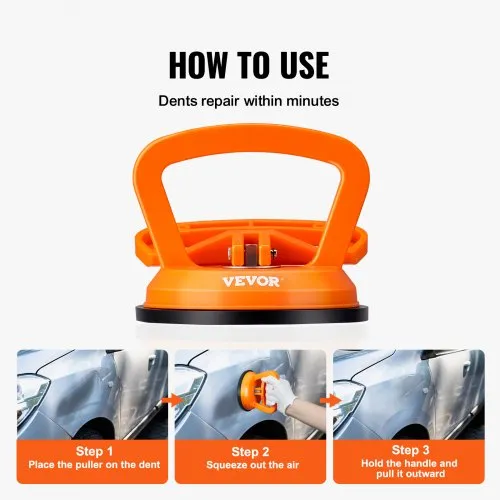
Credit: www.vevor.ca
Common Causes Of Car Dents
Parking lot mishaps, hailstorms, and minor collisions often lead to car dents. Discover effective ways to remove these dents and restore your car’s appearance.
When you spot a dent on your car, it’s frustrating. Understanding the common causes can help you prevent them. Many factors lead to car dents, some you might not expect. Let’s explore these everyday culprits.Parking Lot Mishaps
Parking lots are notorious for dents. Tight spaces and busy drivers lead to accidents. Shopping carts often bump into cars, leaving marks. People can open their doors carelessly, hitting nearby vehicles.Weather Conditions
Weather plays a big role in causing dents. Hail storms are particularly damaging. Falling tree branches during storms can dent car roofs. Strong winds might also knock objects onto cars.Road Debris
Driving on roads can expose cars to debris. Loose gravel or rocks can hit and dent car surfaces. Pieces of metal or wood may fly off trucks and hit cars.Accidental Impacts
Bumping into objects while driving can cause dents. Misjudging distances when reversing can lead to collisions. Low-speed impacts often result in minor dents.Sports And Recreational Activities
Playing sports near parked cars is risky. Balls can accidentally hit and dent cars. Kids playing with toys might throw them and cause damage. Understanding these causes can help you avoid future dents. Keeping these factors in mind may save you time and money. Prevention is easier than repair.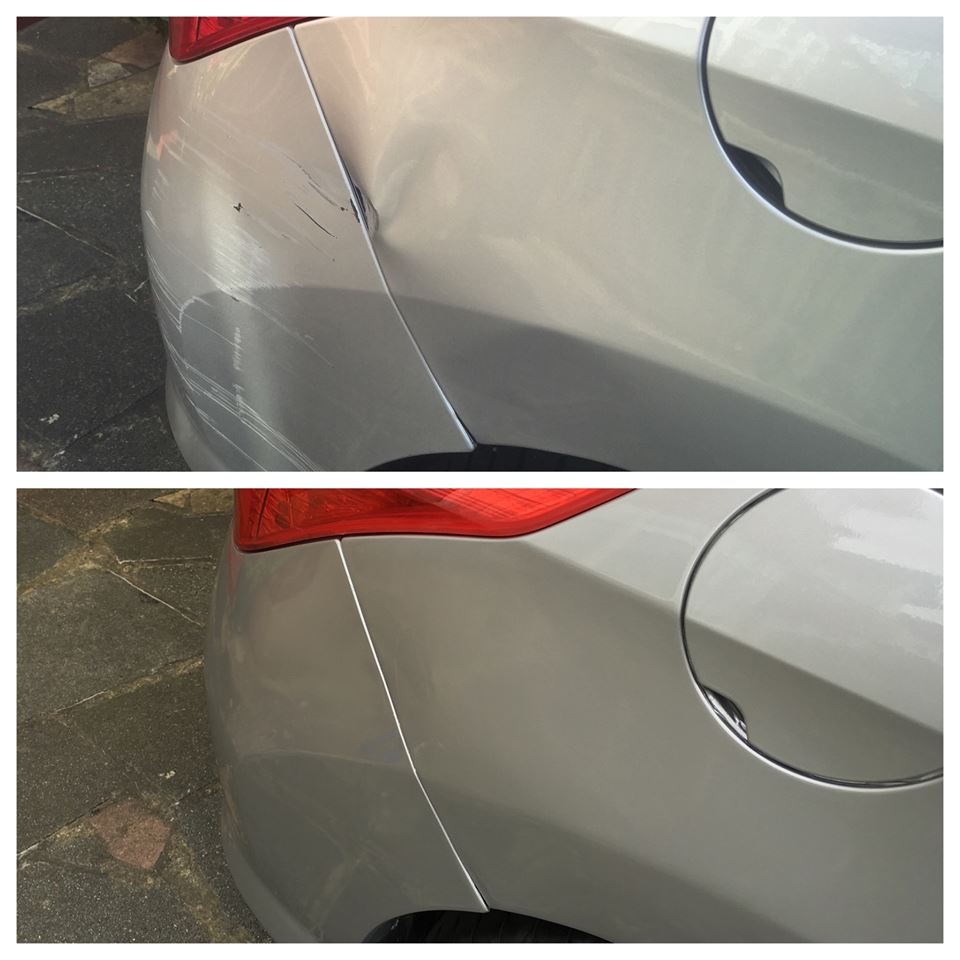
Credit: www.chipsaway.co.uk
Assessing The Damage
Before you rush to fix a dent in your car, it’s crucial to assess the damage accurately. This initial evaluation helps you decide whether a DIY approach will suffice or if professional repair is necessary. A careful assessment can save you time, money, and ensure your car looks its best.
Evaluating Dent Size And Depth
Start by examining the size and depth of the dent. Small, shallow dents are often easier to fix and might not require professional attention. On the other hand, larger or deeper dents can be more complex and challenging to repair on your own.
- Small dents can often be popped out using simple tools like a plunger or hair dryer.
- Deeper dents may indicate underlying damage that isn’t visible at first glance.
Ask yourself: Does this dent affect the functionality of the car or is it purely cosmetic? This will guide your repair decisions.
Determining Repair Options
Once you’ve evaluated the dent, consider the available repair options. DIY methods are popular for minor dents, such as using hot water or specialized dent removal kits. These techniques can be effective if applied correctly.
- For small dents, DIY kits can be cost-effective and simple to use.
- Larger dents might require professional tools and expertise.
Reflect on your skills and tools available. Are you comfortable trying a repair yourself, or would you prefer the assurance of a professional fix? Remember, choosing the right option can prevent further damage.
Diy Dent Removal Techniques
Getting dents out of a car can be easy with DIY techniques. Try using a plunger to gently pull out small dents. For larger dents, a hairdryer and compressed air might do the trick.
DIY dent removal techniques offer simple solutions for minor car dents. These methods often use household items, saving time and money. Explore these techniques to restore your car’s appearance without professional help.Using Boiling Water
Boiling water can help fix dents in plastic bumpers. First, boil a pot of water. Pour the hot water over the dented area. This softens the plastic, making it easier to push out the dent. After pouring, reach behind the bumper and push the dent out. Pour cold water to harden the plastic again. Repeat if necessary.Hair Dryer And Compressed Air Method
This technique works well for small dents. Start by heating the dent with a hair dryer. Keep the dryer close to the dent for about 30 seconds. Heat makes the metal expand slightly. Quickly spray compressed air on the dent. The sudden temperature change can pop the dent out. Ensure the compressed air canister is upside down for best results.Plunger Technique
A plunger can be used for larger, shallow dents. Moisten the plunger’s rubber edge for better suction. Position it over the dent and press down firmly. Pull the plunger back gently. This creates suction, pulling the dent outward. Repeat the process several times. This method is simple and effective.Professional Repair Methods
Removing car dents professionally involves techniques like paintless dent repair and using specialized tools. Experts gently massage the dented area to restore the car’s original shape without damaging the paint. This method is efficient and preserves the vehicle’s value.
Professional repair methods offer reliable solutions for car dents. Skilled technicians use advanced techniques to restore your car’s appearance. These methods ensure minimal damage to your vehicle’s paint and structure. Two primary methods are popular among professionals.Paintless Dent Repair
Paintless Dent Repair (PDR) is a common technique. It gently pushes dents out without harming the paint. Technicians use specialized tools for this method. They access the back of the dent and carefully massage the metal back into place. PDR works best on small to medium-sized dents. It is quick and often more affordable than other methods.Traditional Dent Repair
Traditional dent repair involves more steps. It is used for larger dents or when paint is damaged. Technicians first pull out the dent using tools. Then, they sand the area to make it smooth. After that, they apply primer and paint to match the car’s color. This method ensures the dent is completely fixed and the paint looks seamless. It’s a thorough process that restores the car’s original look.Tools And Materials Needed
Removing car dents requires a few essential tools and materials. Gather a hairdryer, compressed air can, suction cup, and a heat gun. These items help in pulling out dents effectively and safely.
When it comes to getting those pesky dents out of your car, having the right tools and materials is crucial. Whether you’re trying a DIY approach or opting for professional-grade equipment, understanding what you need can make the process smoother and more efficient. Investing in quality tools can save you time and prevent further damage to your vehicle’s surface.Essential Equipment For Diy
If you’re a hands-on type of person, tackling small dents by yourself can be satisfying and cost-effective. Here are some must-have tools:- Plunger:Believe it or not, a plunger can be your first line of defense against small dents. Its suction power can sometimes pop dents out with minimal effort.
- Hair Dryer and Compressed Air:The combination of heat and cold can work wonders. Heat the dent with a hair dryer and then rapidly cool it using compressed air to encourage the metal to revert to its original shape.
- Boiling Water:For plastic parts of the car, like bumpers, pouring boiling water over the dent can make the plastic flexible enough to push back into place.
- Dent Repair Kits:Available in most auto parts stores, these kits include pulling tools and glue tabs designed specifically for dent removal.
Professional Tools Overview
For those looking to achieve a flawless finish, professional tools might be necessary. Here’s what the pros use:- Slide Hammer:This tool is perfect for pulling out larger dents. It provides the leverage needed to pull the metal back into its original position.
- Paintless Dent Repair (PDR) Tools:These are specialized tools that allow you to massage the dent out from behind the panel. They require some skill but offer excellent results without damaging the paint.
- Body Filler and Sandpaper:In situations where the dent has created a crease or crack, filling and sanding might be necessary for a smooth finish.
- Heat Gun:Unlike a hair dryer, a heat gun provides more intense heat, which can be useful for larger dents on metal surfaces.

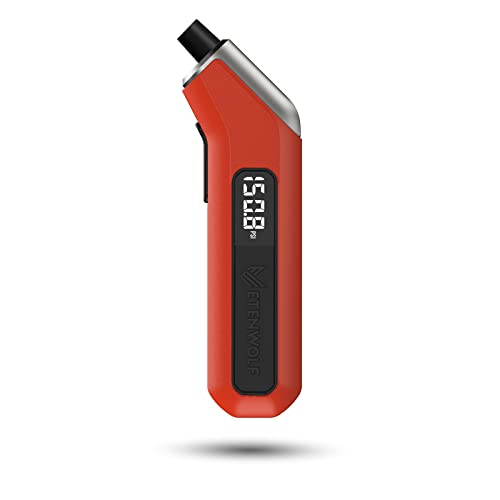
Credit: www.amazon.ca
Choosing Between Diy And Professional Help
When faced with a dent in your car, the dilemma often boils down to whether you should tackle it yourself or enlist professional help. Both options have their pros and cons, and the right choice depends on various factors including cost, skill level, and urgency. Before you make a decision, it’s crucial to weigh these aspects carefully.
Cost Considerations
One of the most immediate concerns is cost. DIY methods can be budget-friendly, with minimal expenses on tools and materials. A simple suction cup dent puller or a hairdryer paired with compressed air might do the trick for minor dents.
Professional repairs, on the other hand, can be more costly. Shops charge for labor, expertise, and sometimes replacement parts. However, the end result is often a flawless finish, potentially increasing the resale value of your car.
Are you willing to risk a DIY mishap to save a few bucks? Or do you prefer peace of mind with professional assurance?
Skill Level Assessment
Your skill level plays a pivotal role in this decision. If you’re handy and enjoy tinkering with your car, DIY might be a rewarding challenge. With the right tutorial, patience, and practice, you can achieve decent results.
However, if you aren’t confident in your abilities, a DIY attempt might worsen the dent or damage the paint. Professionals are trained to handle various types of dents with precision.
Think about your comfort level. Do you relish the idea of learning and experimenting, or do you dread the potential for error?
Choosing between DIY and professional help isn’t just a matter of preference; it’s about balancing cost and skill. Evaluate your priorities and make an informed choice that suits your situation.
Preventing Future Dents
Preventing future dents involves parking carefully and avoiding tight spots. Use padded covers when parking in crowded areas. Regularly maintain your car’s exterior to keep it dent-free.
Preventing future dents is crucial for maintaining your car’s appearance. Simple strategies can reduce the risk of dents significantly. By adopting careful parking habits and using protective accessories, you can safeguard your vehicle from unnecessary damage.Parking Strategies
Choose your parking spots wisely. Avoid parking close to other vehicles, especially near large SUVs or trucks. These vehicles have bigger doors and can cause dents easily. Look for end spots or areas with fewer cars. In crowded places, aim for spots with extra space on both sides. Parallel parking can also reduce the risk of door dings. Be mindful of shopping carts in parking lots. Parking near cart returns can increase the chance of dents.Car Covers And Protective Accessories
Invest in a good-quality car cover. It provides a physical barrier against falling objects or minor impacts. Covers are especially useful during storms or in areas with heavy tree coverage. Consider using door edge guards. They protect the car’s edges from accidental dings. Magnetic car shields are another option. They attach to your car’s surface and guard against scratches and dents. Remember to select accessories that fit your car model correctly. Proper fit ensures maximum protection.Frequently Asked Questions
How Can I Remove Dents From My Car At Home?
Remove car dents at home using a hairdryer and compressed air. Heat the dent with the dryer. Spray compressed air immediately, causing the dent to pop out due to temperature change. For larger dents, try a plunger or buy a dent removal kit for better results.
Can Dents In Cars Be Popped Out?
Yes, many dents in cars can be popped out using various techniques. Professionals use specialized tools for effective results. DIY methods like hot water or a plunger might work on small dents. It’s important to assess the dent size and location before attempting repairs.
Does Pouring Hot Water On A Dent Fix It?
Pouring hot water on a dent can sometimes help. The heat makes the metal more flexible. Gently push the dent out afterward. This method works best on minor dents. Always be cautious to avoid burns or paint damage. Results vary based on dent size and vehicle material.
What Dents Cannot Be Removed?
Dents with sharp edges, deep creases, or extensive damage cannot be removed easily. Severe dents on body lines often require professional repair. Repairability depends on the dent’s size, depth, and location. Some may need repainting or replacement of parts for complete restoration.
Conclusion
Fixing car dents can be simple. Start with easy methods. Try using hot water or a plunger. These tricks work for small dents. For larger dents, tools help. Dent repair kits are affordable and handy. Using them saves money and time.
Professional help is an option. Experts ensure perfect results. Remember, regular checks prevent dents. Drive carefully and park wisely. These tips protect your car’s look. Enjoy a dent-free ride. Keep your car in top shape. Your car deserves the best care.
Happy driving!

Similar Posts