Picture this: you’re ready to head out for an important meeting or a long-awaited road trip, but when you turn the key, your car just won’t start. We’ve all been there, and it’s frustrating, isn’t it?
A dead battery can strike at the most inconvenient times, leaving you feeling stranded and helpless. But what if I told you there’s a simple solution to this common problem? Imagine the confidence of knowing exactly what to do when your car battery dies.
In this guide, you’ll discover how to jumpstart your car quickly and safely. You’ll learn step-by-step how to bring your vehicle back to life, so you’re never left in the lurch again. Let’s get your car running smoothly, and more importantly, get you back on the road with peace of mind.
Credit: www.familyhandyman.com
Safety Precautions
Ensure safety by parking cars on a flat surface. Turn off both ignitions before connecting jumper cables. Wear gloves and eye protection to avoid accidents.
Jumpstarting a car can save time and money. Ensuring safety is crucial. Follow these precautions to protect yourself and your vehicle.
Check The Environment
Ensure the area is safe and well-lit. Avoid jumpstarting in rain or wet conditions. Park both vehicles on a flat surface.
Wear Protective Gear
Use gloves and safety glasses. Protect your hands and eyes from battery acid. Also, wear clothing without loose parts.
Inspect Battery
Look for leaks or damage. Do not jumpstart a cracked battery. Ensure terminals are clean and free from corrosion.
Verify Connections
Connect cables correctly. Red is for positive terminals; black is for negative. Ensure clamps are secure and do not touch each other.
Turn Off Electronic Devices
Switch off radios and other gadgets. Prevent electrical surges or damage. Ensure all electronic devices are off before jumpstarting.
Keep Away From Battery
Stand at a safe distance. Batteries can spark or explode. Ensure everyone is away from the battery area.
Avoid Smoking
Do not smoke near batteries. Batteries emit flammable gases. Ensure no open flames or sparks are present.
Gather Necessary Tools
Jumpstarting a car with a dead battery is a straightforward process. First, gather the necessary tools to ensure a safe and successful jumpstart. Having the right equipment is crucial. It helps prevent mistakes and makes the process smooth.
Jumper Cables
Jumper cables are essential for transferring power between batteries. Choose cables with strong clamps and thick wires. Check the length; longer cables offer more flexibility. Ensure they are insulated properly to avoid shocks. Make sure the cables are in good condition. Damaged cables can lead to poor connections.
Functioning Vehicle
A functioning vehicle is needed to provide the power. Ensure the vehicle has a healthy battery. A weak battery won’t supply enough power. Park the functioning vehicle close to the car with the dead battery. Align them so the jumper cables can easily reach both batteries. Turn off the engine and all electrical devices in the functioning vehicle. This prevents power surges during the jumpstart.
Positioning The Vehicles
Ensure both vehicles are close but not touching. Position them so the jumper cables can easily reach both batteries. Adjust the cars for safety and accessibility before connecting the cables.
Positioning the vehicles correctly is crucial for a safe jumpstart. This ensures the jumper cables reach both batteries without tension. Proper positioning minimizes risks and streamlines the process.
Parking The Cars
Align the vehicles close, but avoid touching. Keep at least a few inches of space between them. Ensure the batteries face each other directly. This helps cable length reach both cars. Park on a flat surface to avoid accidental rolling. Use parking brakes for extra safety.
Ensuring Cars Are Off
Turn off both cars completely. This prevents electrical shocks or damage. Remove keys from the ignition and keep them safe. Make sure lights and accessories are off. It reduces battery drain during the jumpstart. Confirm that all car doors are shut properly.
Credit: www.prestigecdjr.com
Connecting Jumper Cables
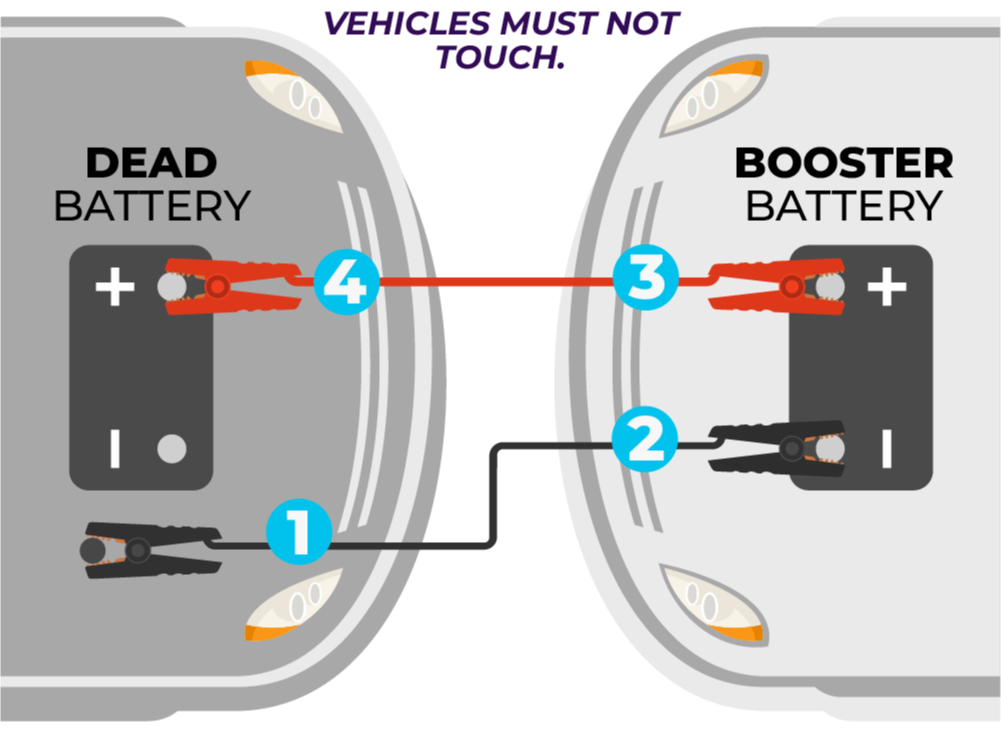
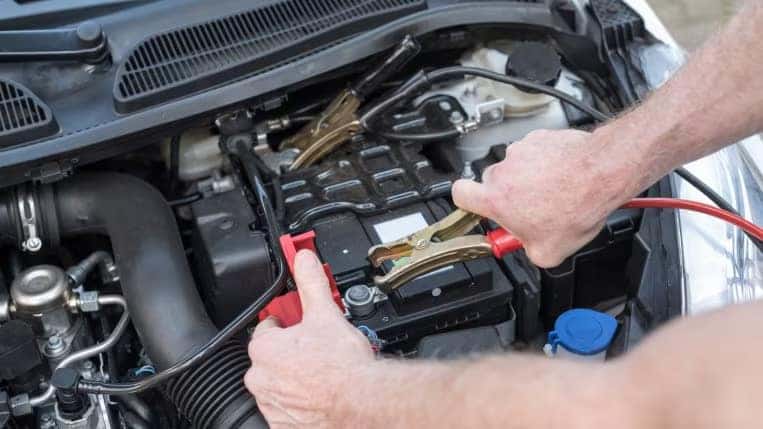
Connecting jumper cables is the first step in jumpstarting a car with a dead battery. Attach the red cable to the positive terminal of both batteries. Next, connect the black cable to the negative terminal of the good battery and a metal part of the dead car.
Connecting jumper cables can be a lifesaver when your car battery decides to take an unexpected nap. Whether you’re in a hurry to reach your destination or simply trying to get through your day, knowing how to properly connect these cables can make all the difference. The process might seem daunting at first, but with a little know-how, you’ll be back on the road in no time. Understanding the nuances of battery terminals, positive and negative cable connections is crucial for both safety and effectiveness. Remember, practice makes perfect, and your confidence will grow with experience. So, let’s dive into the essentials of connecting jumper cables.
Identifying Battery Terminals
Identifying the battery terminals is the first step in the process. You need to locate the positive and negative terminals on both batteries. The positive terminal is usually marked with a ‘+’ sign and is often red, while the negative terminal is marked with a ‘-‘ sign and is generally black. Knowing these distinctions can save you from potential mishaps. Have you ever found yourself guessing which terminal is which? Always double-check to avoid any mix-ups.
Connecting Positive Cable
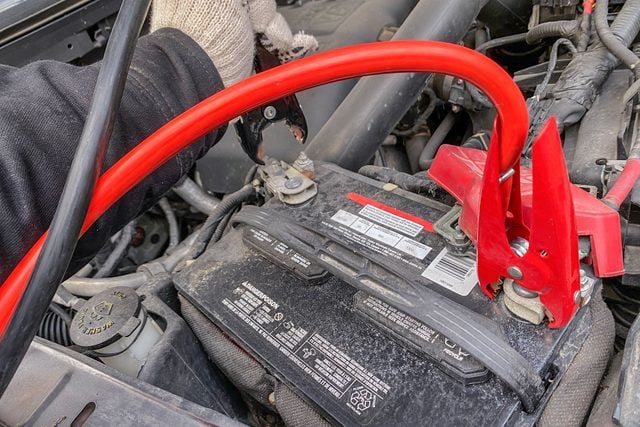
Once you’ve identified the terminals, it’s time to connect the positive cable. Attach one end of the positive jumper cable to the positive terminal of the dead battery. Then, connect the other end to the positive terminal of the good battery. This connection establishes the flow of electricity needed to kickstart your vehicle. Be sure to secure the clamps firmly. A loose connection might prevent your car from starting. Have you ever tried starting your car only to realize a loose clamp was the culprit?
Connecting Negative Cable
The negative cable comes next. Attach one end of the negative jumper cable to the negative terminal of the good battery. For the other end, find an unpainted metal surface on your car, away from the battery. This could be a part of the engine block or chassis. This grounding step is crucial. Directly connecting the negative cable to the dead battery’s negative terminal can cause sparks. What’s your go-to grounding spot on your car? By carefully following these steps, you ensure a safe and effective jumpstart, minimizing risks and maximizing efficiency.
Starting The Cars
Jumpstarting a car with a dead battery requires jumper cables and a working vehicle. Connect the red cable to the positive terminals of both batteries. Attach the black cable to the negative terminal of the working battery and an unpainted metal surface on the dead car.
Start the working car, then the dead car.
Jumpstarting a car might seem daunting, but with the right guidance, it can be a straightforward task. If you find yourself with a dead car battery, knowing how to safely start both the functional and non-functional cars is crucial. Think of this as a practical skill that can save you from being stranded. Let’s dive into the steps you need to take to get back on the road.
Starting The Functional Car
Begin by positioning the functional car close enough to the dead car for the jumper cables to reach both batteries. Turn off the engine and any electrical components, like the radio and lights, to avoid surges. Open the hood and identify the battery terminals. Clean any dirt or corrosion from the terminals for a better connection. Attach one end of the red jumper cable to the positive terminal of the functional car’s battery. Then, attach the other end of the red cable to the positive terminal on the dead car. Follow this by connecting the black cable to the negative terminal on the functional car. Leave the other end of the black cable hanging for now.
Starting The Dead Car
Now, connect the remaining black cable clamp to an unpainted metal surface of the dead car’s engine block. This grounding step is crucial for safety and can prevent sparks. Start the engine of the functional car and let it run for a few minutes. This allows the dead battery to gather enough charge. Then, try starting the dead car. If it doesn’t start immediately, wait a few more minutes and try again. Once the dead car starts, keep both engines running for a while to ensure the dead battery charges sufficiently. After successfully jumpstarting the dead car, carefully remove the cables in reverse order. Start by removing the black clamp from the grounded metal surface, then the black clamp from the functional car, followed by the red clamp from the dead car, and finally the red clamp from the functional car. Have you ever thought about the importance of keeping jumper cables in your car? It’s a small investment that can make a huge difference when you’re in a pinch.
Removing Jumper Cables
Ensure both cars are off, then carefully disconnect the negative jumper cable from the metal surface. Next, remove the negative cable from the booster car’s battery. Finally, detach the positive cables in reverse order, starting with the booster car.
Jumpstarting a car is a skill every driver should master. Once your car is up and running, safely removing the jumper cables is crucial to prevent any electrical mishaps. It’s a simple process, but doing it correctly ensures the safety of both vehicles involved. Let’s break down the steps for disconnecting those cables the right way.
Disconnecting Negative Cable
Start with the negative cable, which is typically black. Detach it from the car’s battery that was receiving the charge. Then, remove it from the donor vehicle’s battery. Always handle the cables carefully to avoid accidental contact between the clamps. This step prevents any chance of a short circuit.
Disconnecting Positive Cable
Next, move on to the positive cable, which is usually red. Begin by removing it from the receiving battery. Finally, detach it from the donor vehicle’s battery. By doing so, you minimize the risk of a spark, which can be dangerous. Removing the jumper cables in this order reduces the risk of electrical shock or damage. It’s a straightforward task, but one that requires your full attention. Have you ever wondered why order matters so much in this process? It’s all about maintaining a safe and effective charge transfer.
Running The Engine
Jumpstarting a car with a dead battery involves connecting jumper cables to a working vehicle. Ensure both cars are turned off before attaching cables correctly. Start the working vehicle, then try starting the dead car to transfer power from the charged battery.
Jumpstarting your car is a crucial skill that can save you from being stranded. Once you’ve connected the jumper cables and successfully started your engine, the next essential step is to let the engine run. This allows the battery to regain enough charge to start the car on its own the next time. But how long should you let it run? And what else should you keep in mind during this process?
Letting The Engine Run
After starting your car, let it idle for at least 15-20 minutes. This duration gives the alternator enough time to charge the battery sufficiently. If possible, drive around instead of just letting it idle. Driving helps the alternator to charge the battery more effectively. Remember, the longer you drive, the better the charge. But be cautious and avoid over-revving the engine.
Charging The Battery
While letting the engine run is vital, understanding how your battery charges is equally important. The alternator is your car’s powerhouse when the engine is running. It replenishes the battery and powers electrical systems simultaneously. Consider checking if your car has a battery gauge on the dashboard. This can provide real-time insights into the charging process. If the gauge shows a low charge even after running the engine, it might be time for a battery check-up. Have you ever thought about the condition of your battery cables? Corroded or loose cables can hinder charging. Regular maintenance checks can prevent these issues. By ensuring your engine runs correctly and your battery charges efficiently, you’re setting yourself up for fewer roadside surprises.
Tips For Battery Maintenance
Jumpstarting a car with a dead battery involves connecting jumper cables from another vehicle. Ensure both cars are off before attaching cables. Connect positive to positive, then negative to a metal ground. Start the working car, then try starting the dead car.
Remove cables in reverse order.
Taking care of your car battery is crucial not just for jumpstarting your car when needed, but also to ensure your vehicle runs smoothly. Regular battery maintenance can prevent unexpected breakdowns and extend your battery’s lifespan. Here are some practical tips to keep your car battery in top condition.
Regular Checks
Make it a habit to check your battery at least once a month. Look for signs of corrosion on the terminals, as this can affect the battery’s performance. A simple cleaning with a mixture of baking soda and water can help remove any buildup. Ensure the battery is tightly secured in its tray. A loose battery can vibrate excessively, leading to damage and decreased efficiency. Also, inspect the battery case for any cracks or bulges, which could indicate a problem.
Avoiding Battery Drain
Be mindful of leaving lights and electronic devices on when the engine is off. These can significantly drain the battery, leaving you stranded. It’s easy to forget, especially when you’re in a hurry, but a quick check before leaving the vehicle can save you a lot of trouble. Consider taking your car for a longer drive occasionally if you mostly use it for short trips. Short trips might not fully recharge the battery, leading to gradual power loss over time. A 20-minute drive on the highway can help maintain the battery’s charge. Think about how you can incorporate these simple checks into your routine. Could you check the battery while filling up the gas tank, or perhaps during a regular car wash? A little effort now can prevent a lot of hassle later.

Credit: www.youtube.com
Frequently Asked Questions
What Is The Correct Order To Jump Start A Car Battery?
To jump start a car battery, connect the red clamp to the dead battery’s positive terminal first. Attach the other red clamp to the donor battery’s positive terminal. Connect the black clamp to the donor battery’s negative terminal. Finally, connect the last black clamp to a metal surface on the dead car.
How Do I Jumpstart A Car With A Dead Battery?
Connect the red positive cable to the dead battery’s positive terminal. Attach the other end to the donor battery’s positive terminal. Connect the black negative cable to the donor battery’s negative terminal. Attach the other end to an unpainted metal surface on the dead car.
Start the donor car, then the dead car.
What Are The 5 Steps To Jump Start A Car?
1. Park both cars close and turn off the engines. 2. Connect the red clamp to the dead battery’s positive terminal. 3. Attach the other red clamp to the good battery’s positive terminal. 4. Connect the black clamp to the good battery’s negative terminal.
5. Start the working car, then the dead car.
When Jumping A Dead Battery, Which Car Should You Start First?
Start the car with the working battery first. Let it run for a few minutes. Then, start the car with the dead battery. Ensure all connections are secure and follow safety precautions to prevent accidents. Remember to keep the engines off while connecting the jumper cables.
Conclusion
Jumpstarting a car with a dead battery is straightforward. Gather necessary tools first. Connect jumper cables carefully to both batteries. Ensure you attach them correctly. Start the donor car, then your own. Let the cars run for a few minutes.
Check your car’s battery health afterwards. Always follow safety instructions closely. Keep jumper cables handy for emergencies. Practice makes perfect in learning this skill. Remember, patience is key during the process. Now you’re prepared for unexpected battery issues. Stay calm and focused.
You’ll handle future jumpstarts with ease. Safe travels and happy driving!