How Do You Get Rid of Mold in Your Car: Quick Solutions
Mold in your car can be a nightmare. It’s not just the unsightly appearance or the musty smell that bothers you.
Mold can pose serious health risks and even damage your vehicle’s interior. You might feel overwhelmed just thinking about tackling this problem, but don’t worry, you’re not alone. Many car owners face this issue, and there’s a way out. Imagine stepping into your car and breathing fresh air, free from mold.
You deserve a vehicle that’s clean and safe. This article will guide you on how to banish mold from your car once and for all. Curious to know how? Let’s dive into practical steps and simple solutions that really work. Your car can feel new again, and it’s easier than you might think. Read on, and discover how you can reclaim your car’s comfort and cleanliness.

Credit: www.mychemicalfreehouse.net
Identifying Mold In Your Car
Discovering mold in your car requires quick action. Use a mixture of vinegar and water to clean affected areas. Ensure thorough drying to prevent mold from returning.
Identifying mold in your car is crucial for health and safety. Mold can cause allergies and damage the interior. Spotting mold early helps prevent bigger issues.
Common Signs Of Mold
Mold has a distinct musty smell. This odor can be strong. It might remind you of damp basements. You may see black, green, or white spots. These spots can appear on seats or carpets. Mold can also cause foggy windows. This is due to excess moisture. Pay attention to unexplained stains. These might be mold hiding in plain sight.
Areas Prone To Mold Growth
Mold loves damp places. Check under the seats. These areas often trap moisture. Carpets are another common spot. They absorb spills and rainwater. Door seals can harbor mold. They might not keep water out properly. Look in the trunk too. It can collect rain or leaks. Air conditioning vents are also at risk. Moisture from AC can lead to mold. Regularly check these areas to stay mold-free.
Credit: www.bergermobiledetailing.com
Health Risks Of Car Mold
Health risks from car mold can lead to allergies and respiratory issues. Removing mold involves thorough cleaning and using antifungal solutions. Keeping your car dry and well-ventilated helps prevent mold growth.
Mold in cars poses serious health risks. Its presence can lead to various health issues, especially for those with existing respiratory problems. Mold spores thrive in damp, enclosed spaces like cars, making them a potential hazard. Understanding these risks is crucial to maintain a healthy environment inside your vehicle.
Respiratory Issues
Mold exposure can cause respiratory problems. This is particularly true for people with asthma. Breathing in mold spores irritates the lungs. It can lead to coughing and wheezing. Even healthy individuals might experience these symptoms. Long-term exposure can worsen these conditions. Keeping your car mold-free is essential for respiratory health.
Allergic Reactions
Mold can trigger allergic reactions. Symptoms include sneezing and a runny nose. Itchy eyes and skin rashes are also common. These reactions vary from mild to severe. People with mold allergies face higher risks. Even low mold levels can cause discomfort. It’s important to address mold in your car promptly.
Immediate Steps To Take
Identify the source of moisture and fix it to prevent further mold growth. Use a vacuum cleaner to remove mold spores from surfaces. Apply a mixture of vinegar and water to affected areas to kill remaining mold.
When mold invades your car, it can quickly turn from a minor inconvenience to a major problem. Mold not only affects the interior aesthetics but can also pose health risks. Taking immediate steps to eliminate mold is crucial in preventing further damage and ensuring a safe driving environment. Let’s dive into the first actions you should take to tackle this pesky problem effectively.
Ventilate Your Car
Start by opening all the doors and windows of your car to allow fresh air to circulate. Proper ventilation is essential in reducing the concentration of mold spores in the air. This step is particularly vital if you’ve just discovered the mold and want to limit its spread. Consider parking your car in a sunny spot. Sunlight can help dry out damp areas, reducing the conditions mold needs to thrive. You might be surprised at how much difference a few hours in the sun can make.
Remove Moisture Sources
Identify and remove any obvious sources of moisture in your car. Check for wet items like umbrellas or water bottles left inside. Even small amounts of water can become breeding grounds for mold if ignored. Inspect areas prone to leaks, such as the sunroof or windows, and seal any openings you find. Keeping your car dry is paramount in preventing mold from making a comeback. Have you ever overlooked a tiny leak, only to discover a moldy surprise later? Make sure it doesn’t happen again. Use moisture-absorbing products like silica gel packs or baking soda to absorb excess moisture. These simple items can be incredibly effective and are easily placed under seats or in the trunk.
Cleaning Mold From Interior
Removing mold from your car requires a few simple steps. First, park in a sunny area to dry out moisture. Then, vacuum and clean surfaces with vinegar or specialized cleaner to kill mold spores effectively.
Cleaning Mold from Interior Mold can be a stubborn enemy lurking in the corners of your car’s interior. It thrives in damp, dark conditions, and once it takes hold, it can be difficult to eliminate. But don’t worry—there are effective ways to banish this unwelcome guest from your vehicle. Tackling mold in your car requires a combination of vacuuming and specialized cleaning products. Let’s dive into these methods and ensure you have a mold-free ride.
Vacuuming Loose Mold
Start by addressing any loose mold spores with a vacuum cleaner. Use a vacuum with a HEPA filter to ensure you’re not just blowing mold particles around your car. Focus on the upholstery, carpets, and any fabric areas. These can be the most absorbent and, therefore, prone to mold. Remember to empty the vacuum bag or container outside your home to prevent mold spores from spreading indoors.
Using Mold Removal Products
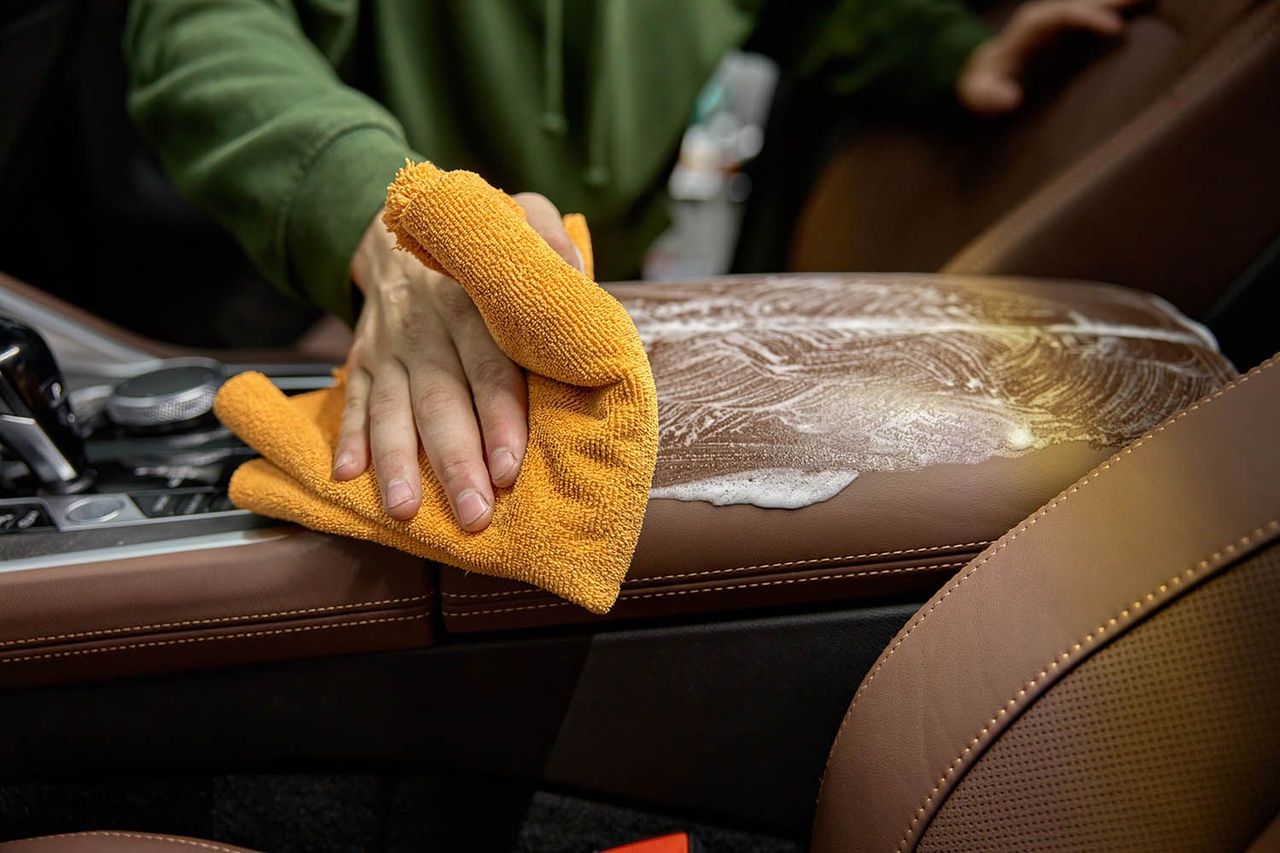
Next, turn to mold removal products specifically designed for vehicle interiors. Choose a product that’s safe for the materials in your car, whether it’s leather, fabric, or plastic. Spray the product generously on affected areas, allowing it to sit for the recommended time. This ensures it penetrates deeply to kill mold spores. Finally, wipe down all surfaces with a clean cloth, ensuring no residue is left behind. Regularly repeating this process can prevent mold from reappearing. Have you ever wondered if your car is more prone to mold because of your location or habits? Consider how often you leave your windows slightly open or the time your car spends parked under trees. These factors might be inviting mold into your vehicle. By understanding the conditions that lead to mold growth, you can take steps to minimize its occurrence.
Natural Mold Removal Methods
Getting rid of mold in your car requires simple, natural methods. Vinegar or baking soda solutions can effectively kill mold. Ventilating the car and using moisture-absorbing materials like silica gel can prevent future growth.
Mold in your car can be more than just an eyesore; it poses health risks and can damage your vehicle’s interior. Using natural methods to remove mold is not only eco-friendly but also safe for you and your car. These methods are often as effective as chemical solutions, without the harsh side effects. Let’s dive into some practical ways to tackle this issue naturally.
Vinegar And Baking Soda
Vinegar is a powerhouse when it comes to mold removal. It’s acidic nature breaks down the mold structure. – Mix equal parts of water and white vinegar in a spray bottle. – Spray liberally on the moldy areas and let it sit for about an hour. – Use a brush to scrub off the mold, then wipe clean with a damp cloth. Adding baking soda to the mix can enhance the cleaning power. Baking soda is a gentle abrasive and neutralizes odors. – Sprinkle baking soda on the affected area after applying vinegar. – Scrub gently to lift the mold. – Vacuum or wipe away the residue once dry. Have you ever noticed how vinegar can tackle the toughest odors? It’s the same with mold; the smell disappears along with the spores.
Tea Tree Oil Solution
Tea tree oil is a natural antifungal, which makes it an excellent choice for mold removal. – Combine one teaspoon of tea tree oil with a cup of water in a spray bottle. – Shake well before spraying the mixture on moldy surfaces. – Allow it to sit without rinsing, as the oil will continue to work. Tea tree oil not only removes mold but leaves a refreshing scent. A small investment in this essential oil can save you from potential health issues and costly repairs. Have you ever tried tea tree oil in your home remedies? It’s powerful and surprisingly versatile. By choosing natural methods, you avoid harsh chemicals and protect your car’s interior. Have you considered how these simple solutions can offer peace of mind and a healthier environment?
Preventing Future Mold Growth
Regularly clean and dry your car’s interior to prevent mold growth. Ensure windows and sunroofs are sealed tightly to avoid moisture. Use moisture absorbers or dehumidifiers to maintain a dry environment inside your vehicle.
Preventing mold in your car involves consistent care. Mold thrives in moist environments. Creating a dry space is essential. Regular maintenance plays a key role. This section covers steps to ensure mold stays away.
Regular Cleaning Routine
Maintaining a clean car interior is crucial. Vacuum seats and carpets weekly. Wipe surfaces with disinfectant wipes. Check for spills and moisture. Clean them immediately. Avoid food and drink spills. They invite mold growth. Use a fabric cleaner on upholstery monthly. This helps remove hidden dirt and moisture.
Dehumidifiers And Sunlight
A car dehumidifier reduces moisture. Place it inside the car. It absorbs excess humidity. Park your car in sunlight often. Sunlight helps dry out the interior. Open windows to air out the car. Fresh air reduces moisture build-up. Consider using silica gel packs. They absorb moisture effectively. Keep car windows closed during rain. This prevents dampness inside.
When To Seek Professional Help
Persistent mold in your car may require professional help if DIY methods fail. Experts have the right tools to remove mold safely and effectively. Seeking help can prevent further damage and health risks.
Finding mold in your car can be a nightmare. Not only is it unsightly, but it can also pose health risks. While you might be tempted to handle it yourself, there are times when seeking professional help is the best course of action. Knowing when to call in the experts can save you time, money, and stress.
Severe Mold Infestation
If mold covers a large area or has penetrated deep into the upholstery, it’s time to seek professional help. A severe infestation can be challenging to handle with over-the-counter products. Professionals use specialized equipment and cleaning agents that can effectively treat large-scale mold problems. Moreover, a professional will ensure that mold spores are properly contained and removed. This prevents further spread and potential health issues. Don’t risk your health or damage to your vehicle by trying to tackle a severe infestation on your own.
Persistent Mold Problems
Have you tried every DIY method, only to find that the mold keeps coming back? Persistent mold can be a sign of an underlying issue. Moisture might be seeping into your car from an unknown source. Professionals have the expertise to identify and fix these issues. They can pinpoint leaks or ventilation problems that you might not notice. By addressing the root cause, they can provide a long-term solution, ensuring that the mold doesn’t return. Consider this: would you rather spend weeks trying to fix the problem yourself, or have it done right the first time by a professional?

Credit: www.fresh-layer.com
Frequently Asked Questions
Can Mold Be Completely Removed From A Car?
Yes, you can completely remove mold from a car with proper cleaning techniques and products. Use a mixture of water and vinegar or specialized mold removers. Thoroughly clean affected areas, replace damaged materials, and ensure proper ventilation to prevent future mold growth.
Regular maintenance helps keep your car mold-free.
Can A Moldy Car Be Saved?
Yes, a moldy car can be saved with proper cleaning and removal techniques. Use mold-specific cleaners and ventilate thoroughly. Address moisture sources to prevent future mold growth. Regular maintenance ensures a healthier, mold-free car environment. Professional services offer advanced solutions for severe cases.
Is Mold In A Car Toxic?
Yes, mold in a car can be toxic. It can cause allergies, respiratory issues, and health problems. Remove it quickly to ensure safety. Use protective gear when cleaning and consider professional help if needed. Regularly check and maintain your car to prevent mold growth.
Why Is Mold Growing Inside My Car?
Mold grows in your car due to moisture accumulation from leaks, wet items, or high humidity. Lack of ventilation worsens it.
Conclusion
Mold in your car can be a real nuisance. It’s important to act quickly. Start by cleaning and drying affected areas. Regular checks help prevent future mold. Use vinegar or baking soda for stubborn spots. They are effective and safe.
Don’t forget to fix any leaks. Moisture invites mold back. Keep windows slightly open for ventilation. This reduces humidity levels inside. Now, you’re ready to enjoy a clean, mold-free car. Remember, prevention is key to keeping your vehicle fresh. Stay proactive and maintain a healthy environment in your car.
Happy driving!

Similar Posts