How Long Does a Car Battery Last: Expert Insights
Have you ever found yourself stranded with a car that just won’t start? It’s frustrating, isn’t it?
Your car battery might be the culprit. Understanding how long a car battery lasts can save you from unexpected breakdowns and keep your vehicle running smoothly. You rely on your car every day, but do you know when it’s time to replace the battery?
We’ll delve into the lifespan of car batteries and provide you with essential insights to help you stay ahead of any potential issues. Curious about what affects battery life and how you can extend it? Read on to find out how you can avoid those nerve-wracking moments and keep your car in top shape.

Credit: www.youtube.com
Factors Affecting Battery Life
Understanding the factors that affect car battery life is crucial. A car battery’s lifespan can vary due to several reasons. These factors influence how long your battery will serve you. Each plays a significant role in determining battery longevity. Let’s explore these factors in detail.
Climate And Weather Conditions
Extreme weather can harm your car battery. In hot climates, heat evaporates battery fluid. This damages the battery’s internal structure. Cold weather thickens engine oil, making it harder for the battery to work. Batteries in mild climates usually last longer.
Driving Habits
Short trips can shorten battery life. The battery needs time to recharge after starting the engine. Frequent short drives do not allow this. Long periods of inactivity also drain battery power. Driving regularly helps maintain battery health.
Vehicle Usage
Heavy use of car accessories drains the battery faster. Headlights, radio, and air conditioning consume power. Using them when the engine is off can be harmful. Ensure all lights and electronics are off before leaving your car. Regular maintenance checks can also extend battery life.

Credit: carfromjapan.com
Signs Of A Weakening Battery
Your car’s battery is its lifeline, powering everything from the engine’s start to the headlights that guide you home. But just like every other component, a car battery has a finite life. Recognizing the signs of a weakening battery can save you from unexpected breakdowns. Understanding these signs can be the difference between a smooth ride and an inconvenient stall.
Slow Engine Crank
Imagine you’re late for work, and as you turn the key, the engine struggles to start. This slow engine crank is one of the most obvious signs of a weakening battery. It’s like your car is trying to tell you it’s running out of juice. When starting your car becomes sluggish and takes longer than usual, it’s time to pay attention.
Dimming Headlights
Have you noticed your headlights getting dimmer? Dimming headlights are a classic sign of a battery losing its power. When your battery is weak, it can’t provide enough electricity to keep your headlights bright. If you find yourself squinting to see the road at night, it might not just be your imagination.
Dashboard Warning Lights
Your car is pretty smart. When something’s wrong, it often gives you a heads-up via the dashboard. If you see a battery-shaped warning light illuminated, it’s time to check your battery. This warning light is your car’s way of telling you to take action before it’s too late.
So, have you experienced any of these signs recently? Don’t wait until you’re stranded in an inconvenient location. Regularly check your battery and stay ahead of potential issues. This simple awareness can keep your car running smoothly and save you from unexpected hassles.
Battery Maintenance Tips
Your car battery is the heart of your vehicle’s electrical system, but how often do you think about its maintenance? Regular upkeep can significantly extend its lifespan and keep you from getting stranded. Let’s explore some practical battery maintenance tips to ensure your car battery stays in top shape.
Regular Inspections
Would you rather find a problem early or deal with a car that won’t start later? Regular inspections are key. Aim to check your battery every month. Look for signs of wear like cracks or bulges. If you notice anything unusual, it might be time to consult a professional.
Cleaning Battery Terminals
Have you ever noticed a white or blue crust on your battery terminals? That’s corrosion, and it can prevent your battery from charging effectively. Cleaning your terminals can be quick and easy. Use a mixture of baking soda and water, and gently scrub with a toothbrush. Don’t forget to dry them off thoroughly afterward!
Monitoring Battery Charge
How often do you monitor your battery’s charge? You might not realize it, but keeping an eye on your battery’s charge is crucial. Use a multimeter to check the voltage regularly. If the readings are consistently low, it may be time to recharge or replace your battery. Staying proactive can save you from unexpected breakdowns.
Choosing The Right Battery
Choosing the Right Battery Car battery life typically ranges from three to five years. Factors like climate, driving habits, and maintenance can influence this lifespan. Regular checks and proper care ensure optimal performance and longevity.
Choosing the right battery for your car is crucial for ensuring your vehicle runs smoothly and efficiently. Not all car batteries are created equal, and picking the wrong one could lead to a host of issues, from frequent breakdowns to decreased performance. Understanding the different types of car batteries and their specifications can help you make an informed decision that best suits your needs.Types Of Car Batteries
There are several types of car batteries available, each designed for specific needs and vehicle types: – Lead-Acid Batteries: These are the most common and affordable. They’re suitable for most standard vehicles but require regular maintenance. – AGM (Absorbent Glass Mat) Batteries: Known for their durability, they are maintenance-free and ideal for cars with high electronic demands. – Lithium-Ion Batteries: These are lightweight and have a longer lifespan but come with a higher price tag. They’re typically used in electric and hybrid vehicles. Choosing the right type depends on your vehicle’s requirements and your budget. Do you need a battery that can handle extreme temperatures or one that requires minimal maintenance?Battery Specifications
When selecting a car battery, paying attention to the specifications is essential: – Cold Cranking Amps (CCA): This rating indicates the battery’s ability to start an engine in cold temperatures. Higher CCA is crucial if you live in a colder climate. – Reserve Capacity (RC): This measures how long the battery can run your car’s essential components without the engine running. A higher RC can be beneficial for emergencies. – Size and Fit: Ensure the battery fits your car’s battery tray. Check the owner’s manual for the correct size and terminal placement. I once bought a battery without checking the size, only to discover it didn’t fit my car. It taught me that overlooking specifications can lead to unnecessary hassle. Consider these specifications carefully. They can save you from future headaches and ensure your car performs at its best. Is your current battery meeting these essential criteria, or is it time for an upgrade?Extending Battery Lifespan
Car batteries typically last between three to five years, depending on usage and maintenance. Keeping terminals clean and avoiding short trips can help extend their lifespan. Regular testing and timely replacement ensure your car starts reliably.
Extending the lifespan of your car battery requires simple strategies. By understanding how certain factors affect batteries, you can make them last longer. Here, we explore some effective methods to keep your car battery healthy.Temperature Control
Extreme temperatures can harm your car battery. In hot weather, heat speeds up chemical reactions. This leads to battery fluid evaporation. In cold weather, low temperatures reduce the battery’s capacity. It struggles to deliver power efficiently. To protect your battery, park in shaded or covered areas during summer. In winter, consider using a battery heater. Regular checks for corrosion on battery terminals are essential. Clean any corrosion with a mixture of baking soda and water.Proper Storage
Proper storage of a car battery is crucial. If not using your vehicle for a while, disconnect the battery. Store it in a cool, dry place. Ensure it’s fully charged before storage. Use a battery maintainer to keep the charge level steady. Check the battery periodically. This prevents complete discharge, which can harm the battery. Always store batteries upright. This avoids acid leaks and potential damage.When To Replace Your Battery
Car batteries typically last about three to five years, depending on usage and climate. Signs like slow engine start and dim headlights indicate it’s time for a replacement. Regular checks can help avoid unexpected battery failure.
Knowing when to replace your car battery can prevent unexpected breakdowns and keep your vehicle running smoothly. You might not think much about your car battery until it fails, but understanding its lifespan and how to test its health can save you from inconvenient surprises. Picture this: you’re rushing to an important meeting, and your car won’t start. Avoid this scenario by getting acquainted with your battery’s needs and signs of wear.Average Lifespan
Most car batteries last between three to five years. Factors like driving habits, weather conditions, and maintenance can significantly impact this lifespan. If you frequently take short trips or live in extreme climates, your battery might need replacing sooner. Consider keeping a record of your battery’s age. Knowing how old your battery is can help you anticipate when it might be time for a replacement. It’s a small task, but it can make a big difference in ensuring you’re not left stranded.Testing Battery Health
Regularly testing your battery’s health can provide insights into its condition. Many auto shops offer free battery testing, which can be a convenient option if you’re unsure about doing it yourself. If you’re a DIY enthusiast, you might want to invest in a multimeter to check your battery’s voltage at home. A healthy battery typically shows a voltage of around 12.6 volts or higher when fully charged. Be on the lookout for warning signs like dimming headlights or slow engine cranks. These could be early indicators that your battery is failing. Checking these signs early can prevent you from getting caught off guard by a dead battery. Have you ever tested your car battery at home or relied on a professional? Share your experiences and tips below!Expert Recommendations
Car batteries typically last between three to five years. Driving habits and weather conditions can affect their lifespan. Regular maintenance helps extend battery life.
Understanding how long a car battery lasts can be tricky, but expert recommendations can help you maximize its lifespan. By following advice from seasoned professionals and staying updated with the latest battery technologies, you can ensure your car battery serves you longer. Let’s dive into some key insights that can make a real difference.Professional Maintenance
Regular maintenance is crucial for extending your car battery’s life. Professionals suggest checking your battery every six months to ensure it’s in good health. This simple routine can prevent unexpected breakdowns and save you time and money. Keeping the battery clean and free from corrosion is another expert tip. Corrosion can hinder the battery’s performance, leading to a shorter lifespan. A quick cleaning with a mixture of baking soda and water can work wonders. Also, ensure your battery terminals are tight and secure. Loose connections can cause the battery to drain faster, leaving you stranded at the worst times. A quick visit to your mechanic for a check-up can help avoid such issues.Advanced Battery Technologies
Recent advancements in battery technology offer you more options than ever before. Many cars now feature lithium-ion batteries, known for their longer lifespan and efficiency. These batteries can last up to twice as long as traditional lead-acid batteries, making them a worthwhile investment. Some manufacturers are also introducing AGM (Absorbent Glass Mat) batteries. These are designed to withstand harsh conditions and provide consistent power. They might be pricier, but their durability and reliability often justify the cost. When choosing a battery, consider your driving habits and climate. Certain technologies perform better in extreme temperatures, while others are optimized for urban driving. By selecting the right battery for your needs, you ensure your vehicle runs smoothly in the long run. Have you explored these technologies for your car? The right choice could save you from unexpected hassles and enhance your driving experience.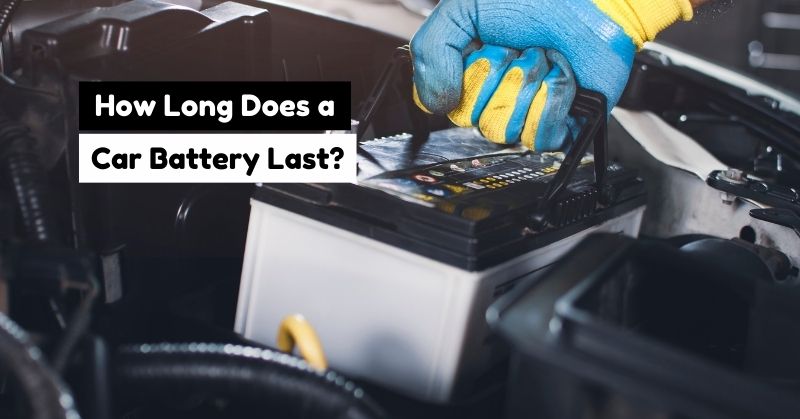
Credit: ca.renogy.com
Frequently Asked Questions
How Do I Know If My Car Needs A New Battery?
Your car might need a new battery if it struggles to start, headlights dim, or electronics malfunction. Check for corrosion on terminals. A swollen battery case or a foul smell also indicates issues. Regular testing at an auto shop can confirm battery health.
What Is The Average Life Of A Car Battery?
A car battery typically lasts 3 to 5 years. Regular maintenance can extend its life. Extreme temperatures and frequent short trips may reduce longevity. Always check for corrosion and ensure connections are tight. Replace if performance drops or if it struggles to start the engine consistently.
Should A 7 Year Old Car Battery Be Replaced?
Yes, replace a 7-year-old car battery. Car batteries typically last 3-5 years. Aged batteries can fail unexpectedly, affecting vehicle performance. Regularly check and maintain your battery for optimal performance.
How Long Before You Need To Replace A Car Battery?
Car batteries typically last 3-5 years. Regular maintenance helps ensure longevity. Signs of replacement include slow engine crank or dim lights. Extreme temperatures can affect battery life, so check regularly. Always consult your vehicle’s manual for guidance on replacement intervals.
Conclusion
A car battery usually lasts three to five years. Regular maintenance helps it last longer. Test your battery often. Replace it when needed to avoid getting stranded. Climate affects battery life. Hot and cold temperatures can reduce its lifespan. Keep battery terminals clean and secure.
This ensures better performance. Watch for signs like slow engine starts. These indicate a failing battery. Buying a quality battery is a smart choice. It offers better durability. Stay aware, and your car will run smoothly. A little care extends your battery’s life.
Drive with confidence, knowing your battery is reliable.

Similar Posts