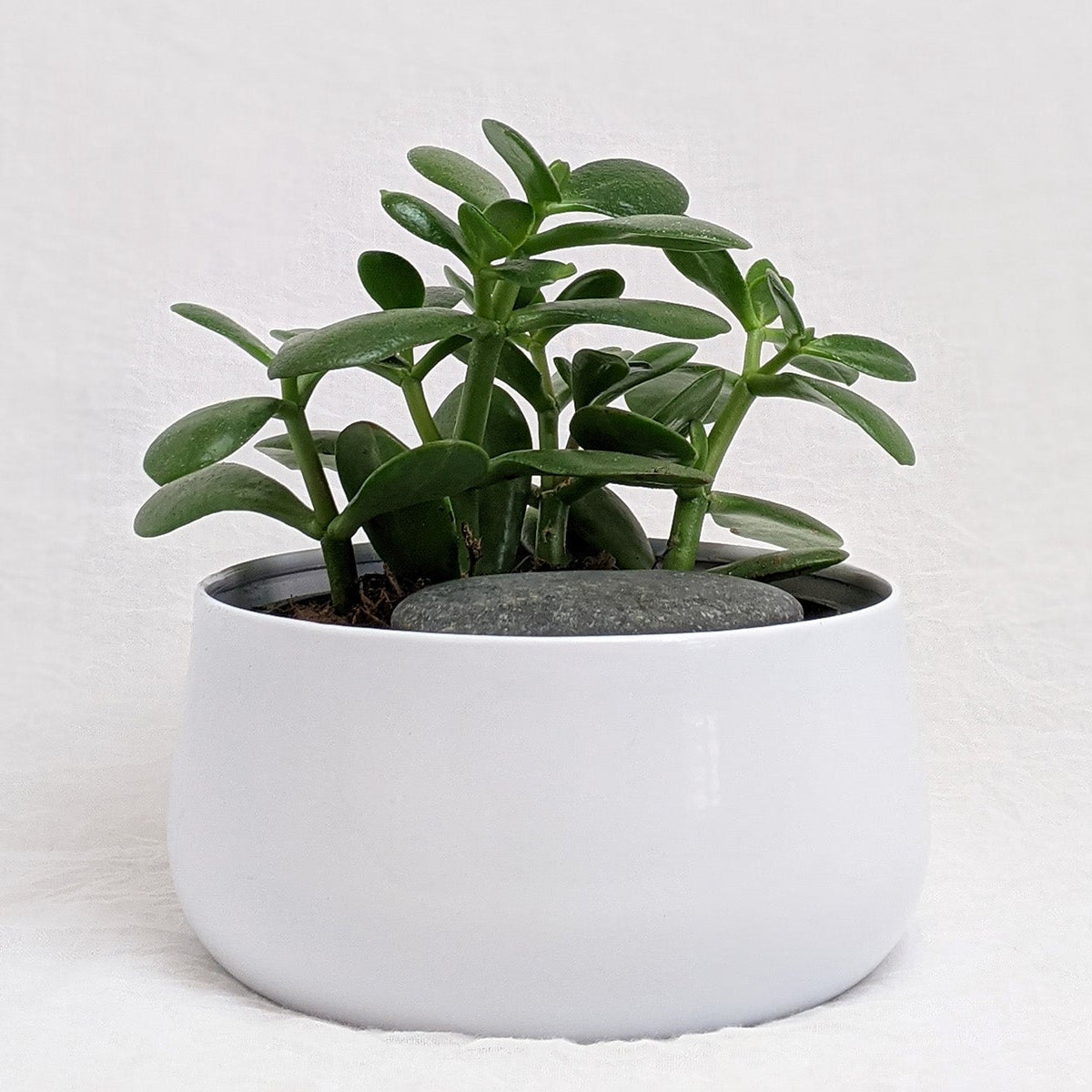
How to Care for Jade Plant: Expert Tips for Thriving Growth
Are you looking for a houseplant that’s both beautiful and easy to care for? The jade plant might just be your perfect match.
With its thick, glossy leaves and charming growth patterns, this succulent isn’t just a piece of living decor—it’s a symbol of prosperity and luck in many cultures. But to truly enjoy the benefits of your jade plant, you need to know how to care for it properly.
Imagine your jade plant thriving, its leaves lush and vibrant, bringing a touch of nature into your home. You might be wondering: what are the secrets to keeping it healthy? Don’t worry; we’ve got you covered. Read on to discover the simple yet effective tips that will turn you into a jade plant expert, ensuring your plant stays happy and thriving for years to come.

Credit: mygreenscape.ca
Choosing The Right Location
Choosing the right location for your jade plant is crucial to its growth and overall health. You might be surprised at how much the placement can affect its well-being. Placing it in the wrong spot can lead to slow growth or even damage. So, where should you put this beautiful succulent?
Ideal Sunlight Exposure
Your jade plant thrives on sunlight, but how much is enough? Aim for bright, indirect light. Direct sunlight, especially in the afternoon, can scorch its leaves. A spot near a south-facing window or a place that gets filtered sunlight is ideal.
Observe your plant’s leaves. If they start to lose their vibrant green and become dull, it might be a sign that it’s not getting enough light. On the other hand, if they develop brown spots, it’s likely getting too much direct sunlight.
Temperature Requirements
Jade plants are quite forgiving, but they do have temperature preferences. They enjoy a comfortable room temperature, ideally between 65°F and 75°F (18°C to 24°C). Avoid placing your jade plant near cold drafts or vents.
Consider your own home’s climate. Do you often have the heater or air conditioning running? If so, ensure your jade plant is out of the direct airflow to prevent stress. This simple adjustment can make a big difference in its vitality.
Have you ever thought about how much the environment affects your jade plant’s happiness? Try moving it around your home and observe how it responds. It’s all about finding the sweet spot where your plant can thrive!

Credit: brenhaas.com
Watering Techniques
Jade plants are cherished for their attractive, fleshy leaves and low maintenance needs. Proper watering is essential to keep them healthy and thriving. Understanding the right techniques can prevent common problems like root rot and wilting.
Frequency And Amount
Jade plants prefer dry conditions. Water them every two to three weeks during warmer months. In winter, reduce the frequency to once a month. Ensure the soil is completely dry before watering. Use enough water to moisten the soil without flooding it.
Signs Of Overwatering
Overwatering can be detrimental to jade plants. Watch for yellowing leaves, which may indicate excess water. Soft or mushy leaves are another warning sign. If the soil feels constantly wet, it’s a clear indication of overwatering.
Soil And Potting Needs
Jade plants thrive in well-draining soil, ideally a cactus or succulent mix. Ensure pots have drainage holes to prevent waterlogging, which can harm the roots.
Caring for a jade plant involves understanding its specific soil and potting needs to ensure its healthy growth. These succulent beauties thrive when planted in the right environment, making the choice of soil and pot crucial. Let’s dive into the essentials of what your jade plant needs to flourish.Best Soil Mix
Selecting the perfect soil mix for your jade plant is vital. These plants prefer well-draining soil to prevent root rot. A cactus potting mix, available at most garden centers, is ideal. Consider adding perlite or coarse sand to improve drainage further. This helps prevent excess water from accumulating, keeping the roots healthy and dry. Think of it as giving your jade plant a comfy bed to rest in. A personal tip: I’ve found that mixing regular potting soil with equal parts of perlite and coarse sand creates an excellent blend. It keeps my jade plant thriving, even during the rainy season.Choosing The Right Pot
The right pot can make a world of difference for your jade plant’s growth. Choose a pot with drainage holes to allow excess water to escape. This prevents water from pooling at the bottom, which can lead to root rot. Opt for a terracotta pot if possible. It helps wick moisture away from the soil, ensuring a balanced environment. Plus, terracotta pots add a rustic charm to any space, complementing your jade’s vibrant green leaves. Remember, size matters! Pick a pot that’s slightly larger than your jade plant’s root ball. Giving the roots room to grow encourages healthy development. But, don’t go overboard; too much space can lead to soggy soil conditions. Ever wondered why some jade plants flourish while others struggle? Often, the answer lies in the soil and potting choices. By ensuring your jade plant has the best mix and pot, you’re setting it up for success.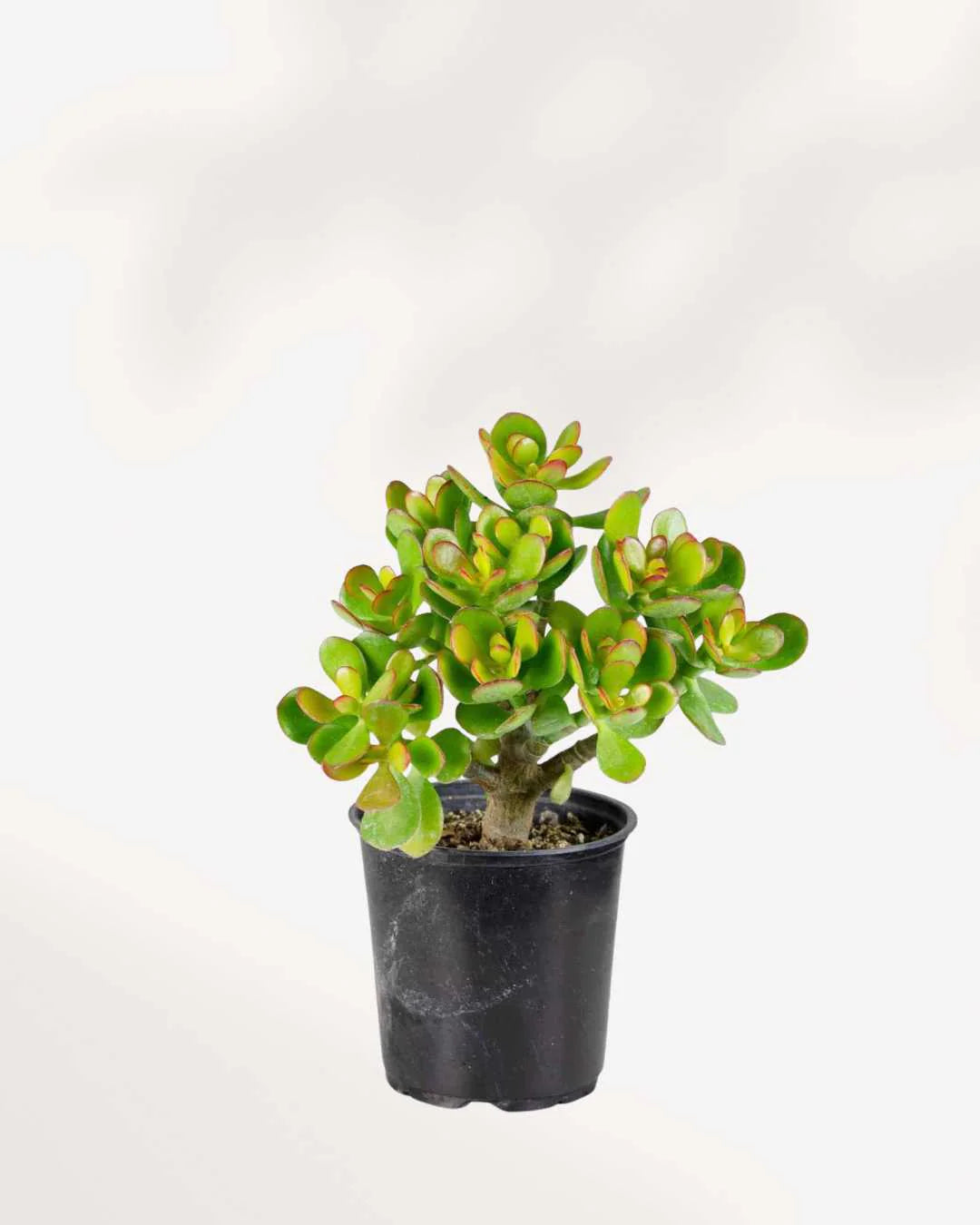
Credit: mygreenscape.ca
Fertilizing Jade Plants
Fertilizing Jade Plants Provide jade plants with a balanced fertilizer during spring and summer. Ensure the soil is well-draining to prevent root rot. Reduce feeding in the fall and winter months when growth slows down.
Fertilizing jade plants is a crucial aspect of their care that can significantly impact their growth and overall health. While jade plants are relatively low-maintenance, giving them the right nutrients at the right time ensures they thrive. Understanding the best fertilizers and their application frequency can transform your jade plant from ordinary to extraordinary.Best Fertilizers
Selecting the right fertilizer is key to a thriving jade plant. Opt for a balanced, water-soluble fertilizer with equal parts of nitrogen, phosphorus, and potassium. A 10-10-10 or 20-20-20 formula is ideal. Organic fertilizers can also be a great choice if you prefer a natural approach. Products like fish emulsion or seaweed extract provide essential nutrients without harsh chemicals. If you’re using a liquid fertilizer, remember to dilute it to half its strength. This prevents nutrient burn and ensures gentle feeding for your jade plant.Frequency Of Application
Jade plants don’t require frequent fertilization. During their active growing season in spring and summer, fertilize once every 4-6 weeks. In fall and winter, jade plants enter a dormant phase. Reduce or stop fertilizing altogether to let them rest naturally. Pay attention to your plant’s response. If you notice rapid growth or discolored leaves, adjust your fertilization schedule accordingly. Have you ever wondered if your jade plant needs more nutrients or just a little sunlight boost? Observing these subtle signs can guide you in perfecting your care routine.Pruning And Shaping
Pruning ensures the jade plant stays healthy and grows well. Trim dead or overgrown branches to encourage new growth. Shape the plant by cutting just above a leaf or node.
Pruning and shaping are crucial for a healthy jade plant. They help maintain its structure and promote growth. Pruning removes dead or overgrown branches. Shaping ensures a pleasing form. These tasks enhance the plant’s appearance and health. Proper timing and techniques are vital.When To Prune
Prune your jade plant in early spring. This is when growth begins. Avoid pruning in winter. The plant is dormant then. Check for dead or damaged branches. Remove them promptly. This prevents disease and improves appearance. Regular pruning keeps the plant compact.Techniques For Shaping
Shaping involves careful trimming. Use sharp, clean scissors. Start by removing leggy branches. Cut them close to the main stem. This encourages bushy growth. For a specific shape, plan your cuts. Trim branches that disrupt the desired form. Always prune above a leaf node. This stimulates new growth. Be gentle and patient. Over-pruning can harm the plant. Ensure you remove only a third of the plant at once. This keeps the jade plant healthy and thriving.Pest And Disease Control
Caring for a jade plant involves ensuring it remains pest and disease-free. Regularly inspect leaves for signs of pests like mealybugs. Use insecticidal soap for treatment if needed. Ensure proper drainage to avoid root rot, keeping the plant healthy and thriving.
Caring for jade plants involves more than just light and water; understanding pest and disease control is crucial to ensure your plant thrives. While jade plants are generally hardy, they can occasionally face challenges from pests and diseases. Tackling these issues effectively can make a significant difference in maintaining a healthy plant.Common Pests
Jade plants can fall prey to a few common pests that might surprise you. Mealybugs are notorious for their cotton-like appearance and can cluster on leaves and stems. Spider mites, although tiny, can cause noticeable damage, leaving a web-like residue on the plant. Another enemy is the scale insect, which can create raised bumps and sap the plant’s nutrients. Have you ever noticed these critters on your jade plant? It’s crucial to inspect regularly.Preventive Measures
Preventing pest invasions is easier than battling them. Start by keeping your jade plant clean; use a damp cloth to wipe leaves and stems, removing dust and potential hiding spots for pests. You might consider a gentle spray of water to dislodge pests like spider mites. Incorporating neem oil can also act as a natural deterrent, providing a protective barrier without harming the plant. To boost your jade plant’s resilience, ensure proper ventilation and avoid overwatering, as damp conditions can attract pests. Regularly inspect the plant, especially during seasonal changes when pests are more active. What steps can you take today to safeguard your jade plant from these pesky invaders?Propagation Methods
Propagating jade plants is simple through stem cuttings or leaf cuttings. Choose healthy stems or leaves and let them dry. Place the cuttings in soil to root, keeping them warm and lightly watered.
Propagation Methods Jade plants are a popular choice for both beginners and seasoned gardeners. Their thick, fleshy leaves and ease of care make them a household favorite. Propagating jade plants can be a rewarding experience, allowing you to expand your collection or share with friends. Below are some simple methods to propagate jade plants.Leaf Cuttings
Leaf cuttings are a straightforward way to multiply your jade plant. Choose healthy, mature leaves for the best results.- Gently twist a leaf off the stem, ensuring a clean break.
- Allow the leaf to dry for a few days to prevent rot.
- Place the dried leaf on moist soil, lightly pressing it down.
- Keep the soil damp, but avoid overwatering.
Stem Cuttings
Stem cuttings offer a more robust propagation method. Select a healthy branch with several leaves.- Use a clean knife to cut a 3-inch section.
- Leave the cutting to dry for a day or two.
- Plant the stem in well-draining soil, burying the cut end.
- Water sparingly, as jade prefers dry conditions.
Seasonal Care Tips
Jade plants are resilient, but they need specific care each season. Seasonal care ensures your jade plant stays healthy and vibrant. Let’s explore how to care for your jade plant in winter and summer.
Winter Care
Jade plants prefer cooler temperatures during winter. Keep them in a room with temperatures around 55°F. This dormant period helps them conserve energy. Reduce watering to once a month. Overwatering in winter can cause root rot. Ensure the soil is completely dry before watering again. Provide indirect sunlight by placing the plant near a window. Avoid direct sunlight, which can harm the plant. Check for drafts from windows and doors. Cold drafts can stress the plant.
Summer Considerations
In summer, jade plants enjoy warmer temperatures. Move them to a sunny spot for at least four hours of sunlight daily. Increase watering frequency during this season. Water the plant when the topsoil feels dry. Ensure good drainage to prevent waterlogging. Consider placing the pot outdoors if the weather is suitable. Just avoid harsh midday sun. Monitor for pests like spider mites and mealybugs. Regular checks help keep the plant healthy.
Signs Of A Healthy Jade Plant
A healthy jade plant features thick, glossy leaves and sturdy stems. Vibrant green color and new growth indicate proper care. Keep the soil well-drained and provide bright light for best results.
Caring for a jade plant can be a rewarding experience, but how do you know if yours is truly thriving? Recognizing the signs of a healthy jade plant is crucial for ensuring that your plant continues to grow and flourish. Let’s explore the key indicators that your jade plant is in good health.Healthy Leaves
One of the most noticeable signs of a healthy jade plant is its leaves. They should be thick, fleshy, and vibrant green. If you gently press a leaf, it should feel firm, not squishy or soft. This indicates that the plant is well-hydrated and receiving the right amount of sunlight. Keep an eye out for any discolored or wrinkled leaves, as these could signal issues like overwatering or insufficient light. Regularly inspecting the leaves can help you catch any potential problems early.Robust Growth
A healthy jade plant will exhibit robust growth, with new leaves and branches emerging steadily. Notice if your plant’s growth appears stunted or if branches are becoming leggy. This might mean it needs more sunlight or that it’s time to repot into a larger container. Seeing consistent growth is not just satisfying; it’s a clear sign that your plant is thriving. Are you providing the right conditions for your jade to reach its full potential? Engage with your jade plant by observing these signs of health. Adjust care routines as needed to ensure your plant remains a vibrant addition to your home.Frequently Asked Questions
How Do You Care For A Jade Plant Indoors?
Place the jade plant in bright, indirect sunlight. Water sparingly when the soil is dry. Ensure good drainage to prevent root rot. Maintain room temperatures between 65-75°F. Occasionally wipe leaves to remove dust.
What Not To Do With A Jade Plant?
Avoid overwatering the jade plant to prevent root rot. Keep it away from direct sunlight to prevent leaf burns. Don’t neglect pest control, as pests can harm the plant. Avoid using cold water, as it can shock the plant. Refrain from frequent repotting to prevent stress.
How Often Do You Water A Jade Plant?
Water a jade plant every 2-3 weeks, allowing the soil to dry out between waterings. Adjust frequency in winter, reducing water to once a month. Ensure the pot has drainage holes to prevent root rot. Check the soil moisture by touch before watering again.
How Come My Jade Plant Is Dying?
Your jade plant may be dying due to overwatering, poor drainage, or insufficient sunlight. Ensure the soil dries out between waterings and place it in bright, indirect sunlight. Check for pests and use a well-draining potting mix to promote healthy growth.
Conclusion
Caring for your jade plant is simple and rewarding. Keep its soil dry. Water it when the top soil feels dry. Place it in bright, indirect sunlight. Avoid direct sun. It can harm leaves. Use well-draining soil for best results.
Fertilize sparingly. Once every few months is enough. Trim dead leaves to maintain health. Watch for pests like mealybugs. They can damage the plant. With these steps, your jade plant will thrive. Enjoy its beauty and the touch of nature it brings.
A healthy jade plant means a happy home.