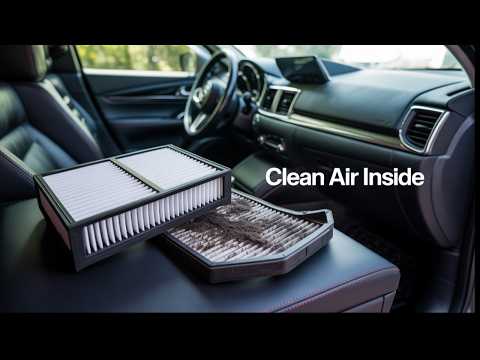
Ever notice a musty smell in your car or feel like your air conditioning isn’t as effective as it used to be? It might be time to change your car’s air filter.
Many people overlook this simple yet crucial task, but did you know that neglecting it can affect your car’s performance and even your health? Breathing clean air while driving isn’t just a luxury—it’s essential. By changing the air filter yourself, you not only improve the air quality inside your vehicle but also save money and extend your car’s life.
Imagine cruising down the road, feeling the fresh, clean air, and knowing you’ve taken a step to enhance your driving experience. You’re about to discover how easy it is to do this yourself, even if you’re not a car expert. So, are you ready to take control of your car’s air quality? Let’s dive into this simple, satisfying DIY project that will leave you breathing easy.
Importance Of Changing Car Air Filter
Changing your car’s air filter is crucial for maintaining engine health and fuel efficiency. A clean air filter ensures proper airflow, enhancing performance and preventing dust and debris from damaging engine parts. Regular replacement is a simple yet vital task to keep your vehicle running smoothly.
Changing your car’s air filter is more than just a routine maintenance task—it’s a key player in the vehicle’s overall health and performance. Many drivers overlook the air filter, but its role is crucial. Think of the air filter as your car’s lungs, ensuring that the engine breathes clean air. This not only improves your car’s efficiency but also extends its lifespan. Ever noticed a drop in fuel efficiency or sluggish acceleration? A clogged air filter might be the culprit.Enhances Engine Performance
Clean air is essential for your engine to perform at its best. When the filter is clean, it allows optimal airflow, which helps the engine burn fuel more effectively. This can lead to smoother acceleration and increased power. Imagine driving up a steep hill; a clean air filter can make the difference between a struggle and a smooth ride.Improves Fuel Efficiency
A clean air filter can significantly improve your car’s fuel efficiency. When the engine gets enough air, it doesn’t have to work as hard, thus burning less fuel. This means you could save money at the pump just by ensuring your air filter is clean. Have you noticed how your car seems to guzzle gas lately? It might be time to check that filter.Reduces Emissions
We all want to do our part for the environment, and changing your air filter is a simple way to reduce your car’s emissions. A clean filter ensures complete fuel combustion, leading to fewer pollutants being released into the air. Next time you’re stuck in traffic, consider how much cleaner your emissions could be with a new filter.Protects Engine Components
A clogged air filter can lead to dirt and debris entering the engine, causing wear and tear on its components. By regularly changing the air filter, you can prevent this damage and prolong the life of your engine. Have you ever faced costly engine repairs? Avoid these by maintaining a clean air filter.Safeguards Against Dust And Debris
The air filter acts as a barrier against dust and debris entering the engine. If you often drive in dusty conditions or on gravel roads, your air filter will clog up faster. Ensuring your filter is clean can prevent these particles from causing damage. Is your car’s engine exposed to harsh conditions? Protect it with a clean air filter. Changing your car’s air filter is a small task with big benefits. Next time you’re in the garage, check the air filter—it might just save you from bigger issues down the road.Tools And Materials Needed
Gather a new air filter, screwdriver, and gloves for protection. Ensure you have a clean cloth or vacuum to remove dust. A flashlight may help illuminate tight spaces during installation.
Changing your car’s air filter is a simple task that can improve your vehicle’s performance and fuel efficiency. Before you dive into this, it’s essential to gather the right tools and materials to make the process smooth and efficient. Having everything on hand will save you time and hassle, ensuring you have a seamless experience. Let’s take a look at what you’ll need.Basic Tools
Start by collecting a few basic tools. You’ll need a screwdriver, typically a Phillips head or flathead, depending on your car model. A socket wrench might also be necessary for some vehicles, especially if the air filter housing is secured with bolts. Finally, have a clean cloth or rag on hand to wipe away any dust or dirt from the filter housing.Replacement Air Filter
Ensure you have a new air filter ready to install. Check your vehicle’s manual or consult with an auto parts store to confirm the correct size and type for your car. Opting for a high-quality filter can make a noticeable difference in your car’s air quality and performance. Remember, it’s not just about replacing the old filter but upgrading to one that enhances your driving experience.Optional Items
Consider having a pair of gloves to keep your hands clean and protected during the process. Some people find it useful to have a flashlight if working in dimly lit areas or garages. You might also want to keep a small trash bag nearby to dispose of the old filter without making a mess. Are you ready to tackle this DIY task? Having the right tools and materials makes all the difference in the world.Locating The Air Filter
Find the air filter inside the car by opening the hood and locating the black rectangular box. This box is usually near the engine and secured with clips or screws.
Locating the air filter inside your car is the first step in maintaining engine health. This task is simple and crucial for ensuring your vehicle runs smoothly. An air filter is a small component but plays a big role in preventing dirt and debris from entering the engine. It ensures clean air circulates within, aiding in fuel efficiency and performance. Let’s explore how to find it in your car.Accessing The Hood
Begin by opening the car hood. The hood release lever is usually located near the driver’s seat. Pull the lever gently to unlock the hood. Once unlocked, lift the hood and secure it with the support rod.Identifying The Air Filter Housing
The air filter is housed in a plastic or metal box. This box is typically located near the engine. It often has a hose connected to it, leading to the engine.Checking The Manual
If unsure, check the car’s manual. The manual provides diagrams and locations of engine components. It guides you directly to the air filter housing.Recognizing The Air Filter Shape
The air filter is usually rectangular or circular. It is made of paper or cotton-like material. This distinctive shape helps in quick identification.Locating Specific Models
Some cars have unique designs. In these cases, locate the air filter by following the intake system. It leads directly to the housing. Finding the air filter is straightforward and requires little time. Regular replacement ensures your engine breathes clean air, enhancing its life.
Credit: www.youtube.com
Removing The Old Air Filter
Removing the old air filter requires careful attention. Open the car’s hood and locate the filter housing. Unclip or unscrew the cover, gently lift the filter out, ensuring not to damage surrounding parts.
Removing the old air filter in your car is a vital step to ensure your vehicle runs smoothly. The air filter is responsible for keeping dust and debris out of the engine, and over time, it can become clogged. This can lead to reduced engine performance and lower fuel efficiency. When you replace the air filter, you’re giving your car a fresh breath of air, which can lead to better performance and longevity. The process is simple and can often be done with minimal tools. So, how do you get started? Let’s dive into the specifics.Opening The Air Filter Housing
Locate your car’s air filter housing. Generally found under the hood, it’s a box-like structure often situated near the engine. Take a moment to familiarize yourself with its position. Check for any clips, screws, or bolts keeping the housing closed. You might need a screwdriver to loosen them. If your car has clips, they can usually be unclipped by hand. Open the housing carefully, ensuring no debris falls inside. It’s like opening a treasure chest, revealing the key to your car’s optimal performance.Taking Out The Old Filter
Once the housing is open, the old air filter will be visible. It’s usually a rectangular or circular piece made of paper or cotton. Notice the dirt and dust accumulated, a clear sign it’s time for a change. Gently lift the filter out of the housing. If it’s stuck, wiggle it a little to loosen it. Remember, you’re not just removing a piece of equipment; you’re making way for a cleaner, more efficient engine. Inspect the old filter for any tears or excessive dirt. This gives you insight into how often you should change it. If it’s excessively dirty, consider checking it more frequently. Changing your car’s air filter might seem like a small task, but it has significant benefits. How often do you check your air filter? Maybe it’s time to make it a regular part of your car maintenance routine.Inspecting The Air Filter And Housing
Inspect the air filter and housing for dust and debris. Ensure the filter is clean and fits properly. Replace any damaged parts to maintain optimal engine performance.
Inspecting the air filter and housing is a crucial step in car maintenance. A clean air filter ensures your engine runs smoothly and efficiently. Before replacing the air filter, inspect it and its housing. This helps you identify any potential issues that could affect performance.Checking For Dirt And Debris
Remove the air filter from its compartment. Hold it up to the light. Check for any dirt or debris blocking the filter. If it’s dirty, it may need cleaning or replacement. A clean filter allows proper airflow to the engine. This improves fuel efficiency and reduces emissions.Examining The Housing For Damage
Look at the air filter housing for any cracks or damage. Damaged housing can let dirt into the engine. This might harm engine components. Ensure the housing seals tightly when closed. A proper seal keeps the filter effective and the engine safe.Installing The New Air Filter
Replacing the air filter in your car is simple. Locate the filter box under the hood. Remove the old filter, insert the new one, and ensure it’s secure. This quick task improves engine performance and efficiency.
Installing the new air filter is crucial for optimal engine performance. A clean air filter ensures proper airflow, improving your car’s efficiency. Follow these steps carefully to replace the air filter and secure your vehicle’s health.Placing The New Filter Correctly
Make sure the new filter matches the size of the old one. Align the filter with the housing, ensuring it fits snugly. Check if the filter’s edges are properly sealed. This prevents dirt from entering the engine.Securing The Air Filter Housing
Close the air filter housing securely after placing the filter. Verify that all clips and screws are tight. Loose fittings can cause the filter to shift during driving. This may lead to engine issues. Double-check the housing for a proper seal. This guarantees the filter stays in place.Testing The New Air Filter
After successfully installing the new air filter, it’s essential to ensure everything is functioning correctly. Testing the new air filter is a crucial step to confirm that your car is running efficiently and that the installation was done properly. Taking a few moments to verify the installation can save you from future headaches and potential repair costs. Let’s dive into how you can effectively test your new air filter.
Starting The Engine
Turn on your car and let the engine idle for a few minutes. Observe how smoothly it starts. A new air filter should facilitate better airflow, resulting in a smooth start. If the engine struggles or hesitates, it might signal an installation issue or a faulty filter.
Keep an eye on the dashboard for any warning lights. You want to ensure there are no alerts related to engine performance, which could indicate a problem with the air filter or another component.
Listening For Unusual Noises
With the engine running, listen closely for any odd sounds. A properly installed air filter should not produce any unusual noises. Sounds like whistling or hissing could mean the filter isn’t seated correctly, or there’s an air leak.
Consider the new filter’s impact on your engine’s sound. Does it sound smoother or quieter? These subtle changes can be a good sign that the new filter is enhancing your car’s performance.
Have you ever noticed a difference after replacing an air filter? It can be enlightening to observe how such a small change can affect your vehicle’s overall performance. Testing the filter is your opportunity to ensure you’re getting the most out of this upgrade.

Credit: www.youtube.com
Maintenance Tips For Air Filters
Regular maintenance of your car’s air filter boosts engine performance. It helps keep the air clean inside your vehicle. A clean filter ensures better air quality and fuel efficiency. Let’s explore some essential maintenance tips for your car’s air filter.
When To Change The Air Filter
Changing the air filter depends on your driving conditions. For city driving, change it every 15,000 miles. If you drive on dusty roads, replace it more often. Check the filter during regular oil changes. Follow the manufacturer’s recommendations for best results.
Signs Of A Clogged Air Filter
A clogged air filter can affect your car’s performance. Notice any of these signs? It’s time to inspect the filter:
- Reduced acceleration
- Strange engine noises
- Poor fuel economy
- Black smoke from the exhaust
- Smell of gasoline when starting the car
Address these signs promptly to maintain your car’s health. Regular checks prevent potential engine issues.

Credit: www.youtube.com
Frequently Asked Questions
Can I Replace A Car Cabin Air Filter Myself?
Yes, you can replace a car cabin air filter yourself. Locate the filter, usually behind the glove box. Follow your vehicle’s manual for specific instructions. Use basic tools and a compatible replacement filter. This task is generally simple and cost-effective, improving air quality in your car.
Will Autozone Change My Cabin Air Filter?
AutoZone does not offer cabin air filter replacement services. They sell cabin air filters for DIY installation. Visit your local AutoZone store for expert advice and assistance with purchasing the right filter for your vehicle.
How Often Should I Change The Air Filter Inside My Car?
Change your car’s air filter every 12,000 to 15,000 miles. Check the owner’s manual for specific guidelines. Regular replacement ensures optimal engine performance and fuel efficiency. Driving in dusty conditions may require more frequent changes. Always use a high-quality air filter for best results.
Can I Change My Own Air Filters In My Car?
Yes, you can change your car’s air filters yourself. It’s a simple process. Check your owner’s manual for guidance. Ensure you buy the correct filter type for your model. Regularly replacing filters improves engine performance and fuel efficiency. If unsure, seek help from a professional.
Conclusion
Changing your car’s air filter is simple and quick. Regular replacement keeps your engine healthy. Cleaner air means better performance. Less dust improves efficiency. Save money by doing it yourself. Follow the steps to avoid mistakes. Use the right filter for your model.
Check your owner’s manual for guidance. Stay safe by disconnecting the battery first. Enjoy a smoother ride with fresh air. Keep your car in top condition. Regular maintenance is key. Understand the process to boost your skills. A clean air filter makes a big difference.
Keep your vehicle running smoothly with this easy task.