How to Remove Oxidation from Car Paint: Expert Tips
Your car is more than just a mode of transportation; it’s a reflection of your style and personality. But over time, exposure to the elements can lead to oxidation, dulling the vibrant shine of your car’s paint.
You might have noticed those unsightly chalky spots or fading colors, and wondered how to restore your vehicle to its former glory. The good news is, you can bring back that showroom shine without breaking the bank or spending hours at a detailing shop.
Imagine driving a car that looks brand new, turning heads wherever you go. The process of removing oxidation is simpler than you might think. With the right techniques, you can rejuvenate your car’s appearance and protect it from future damage. This guide will walk you through easy steps that can make a significant difference in your car’s look, ensuring you feel proud every time you get behind the wheel. Keep reading to discover how you can make your car’s paint gleam like never before.

Credit: www.reddit.com
Causes Of Oxidation In Car Paint
Sunlight, pollution, and moisture are common causes of oxidation in car paint. These elements break down the paint’s protective layer, leading to fading and dullness.
Car paint oxidation is a common issue many car owners face, often without realizing the underlying causes. Understanding these causes can help you prevent oxidation and keep your car looking its best. Oxidation is more than just a cosmetic problem; it can lead to further paint damage if not addressed promptly. Here, we’ll explore the main causes of oxidation in car paint, helping you recognize and mitigate them.
Environmental Exposure
Cars are constantly exposed to the elements, which is a major factor contributing to paint oxidation. Sunlight, rain, and pollutants can all affect your car’s paint. Prolonged exposure to UV rays from the sun can break down the paint’s molecular structure, leading to fading and oxidation.
Lack Of Regular Cleaning
Neglecting regular cleaning can accelerate oxidation. Dirt, grime, and bird droppings can all have corrosive effects if left on your car’s paint for extended periods. Regular washing not only keeps your car looking good but also removes substances that can harm the paint.
Improper Maintenance
Using harsh cleaning agents or neglecting to wax your car can cause the paint to oxidize faster. Some car owners might choose cheaper, abrasive cleaners that strip away protective wax layers, leaving the paint vulnerable. Wax acts as a barrier against environmental factors, so it’s essential to apply it regularly.
Age Of The Vehicle
Older vehicles are more prone to oxidation due to the natural wear and tear of paint over time. As cars age, the protective clear coat can wear off, making the paint more susceptible to damage. While you can’t stop time, you can adopt maintenance practices to prolong the life of your vehicle’s paint. Are you noticing signs of oxidation on your car? Identifying the cause is the first step toward prevention. By addressing these common causes, you can protect your car from further damage and maintain its vibrant appearance.
Signs Of Paint Oxidation
Faded and chalky patches on your car’s surface indicate paint oxidation. Addressing this early can prevent further damage.
Paint oxidation can sneak up on you. It dulls your car’s appearance and reduces its value. Recognizing the signs early can save time and money. Oxidation occurs when paint reacts with oxygen. It causes a chemical breakdown over time. Here are the key signs to watch out for.
Faded Color
Faded color is the most obvious sign. Your car’s once-vibrant hue looks dull. The paint loses its original shine and luster. This fading happens gradually. You might not notice it at first. But over time, the change becomes clear.
Chalky Residue
A chalky residue can form on the surface. This powdery substance feels rough to touch. It is a classic sign of oxidation. Run your finger over the paint. If it leaves a white trail, oxidation is present.
Rough Surface
The car’s surface becomes rough and uneven. This happens because the paint layer breaks down. A smooth surface turns gritty. You might feel it while washing your car. This is a sure sign of oxidation damage.
Loss Of Gloss
Glossy finishes lose their mirror-like shine. The paint looks flat and lifeless. It no longer reflects light well. This loss of gloss is a telltale sign. It indicates that oxidation is affecting your paint.
Visible Swirls And Scratches
Oxidation can make swirls and scratches more visible. Minor imperfections stand out more. The paint no longer hides these flaws. This makes the surface look worn and aged.
Peeling Or Flaking Paint
In severe cases, paint may peel or flake. This is a serious sign of advanced oxidation. The top layer separates from the base. It can lead to rust and further damage. Immediate action is needed to prevent further harm.
Preparation For Paint Restoration
Removing oxidation from car paint begins with a thorough wash to remove dirt. Next, use a clay bar to eliminate contaminants. Apply a rubbing compound with a microfiber cloth for deeper oxidation removal. Finish by polishing the paint to restore shine and protect it with a wax or sealant.
Preparing your car for paint restoration is a crucial step in removing oxidation and restoring your vehicle’s original shine. Proper preparation ensures the process is smooth and effective, saving you time and effort down the road. Let’s dive into the essentials to get your car ready for a stunning transformation.
Gathering Necessary Tools
Before starting, ensure you have all the essential tools at hand. A high-quality microfiber cloth is a must for gently cleaning and polishing without scratching the paint. A dual-action polisher can greatly simplify the process, offering consistent pressure and coverage. Don’t forget to grab some painter’s tape to protect areas you don’t want to polish, like the rubber trim or headlights. Having everything ready will keep you focused and efficient, helping you avoid unnecessary interruptions.
Choosing Suitable Products
Selecting the right products is key to successful paint restoration. Opt for a mild car wash soap that won’t strip away wax or sealant layers. Consider using a clay bar to remove surface contaminants, ensuring a clean canvas for polishing. For the polishing compound, choose one suited to your car’s paint type and level of oxidation. Your local auto store can provide recommendations if you’re unsure. Investing in quality products pays off in the long run, offering better results and protecting your car’s finish. As you prepare for this journey, what tools and products will you prioritize to achieve the best results?
Cleaning The Car Surface
Cleaning the car surface is a crucial step in removing oxidation from your car’s paint. A clean surface allows for better inspection and treatment of affected areas. It also ensures that any products used later adhere properly, providing the best results. Let’s dive into the effective techniques for washing and using clay bars on your car.
Washing Techniques
Start by rinsing your car thoroughly with water to remove loose dirt and debris. This prevents scratches during the washing process. Use a mild car wash soap and a soft sponge or microfiber cloth to gently clean the surface.
Work in sections, starting from the top and moving downwards. This helps prevent dirt from settling back onto areas you’ve already cleaned. Rinse the car again to ensure all soap is removed, leaving you with a spotless surface ready for the next step.
Using Clay Bars
After washing, a clay bar can be your best ally in removing embedded contaminants. Spray a clay lubricant onto a small section of the car. Gently glide the clay bar over the lubricated area in straight lines.
You’ll feel the surface becoming smoother as the clay picks up impurities. Fold the clay to expose a clean surface and continue until the entire car is done. This step is crucial for achieving a glass-like finish and preparing the surface for polishing.
Have you ever noticed how a small effort in cleaning can transform your car’s appearance? Taking the time to wash and clay effectively makes all the difference. Are you ready to see your car shine like never before?
Polishing To Remove Oxidation
Polishing is a crucial step in removing oxidation from car paint. It restores the shine and smoothness of your vehicle’s surface. Oxidation dulls the paint, making your car look old and neglected. Proper polishing can revive your car’s appearance, making it look almost new. Let’s explore how to select the right polish and methods to apply it effectively.
Selecting The Right Polish
Choosing the right polish is essential for effective oxidation removal. Look for a polish that suits your car’s paint type. Some polishes are specifically designed for heavy oxidation. Others work better for light oxidation or regular maintenance. Always check the label for compatibility with your car’s finish.
Consider the grit level of the polish. Coarser grits remove more oxidation but can be harsh on paint. Finer grits are gentler and ideal for light oxidation. Test a small area first to ensure the polish works well with your car’s paint.
Polishing Methods
There are different methods for polishing car paint. Hand polishing is a simple option. Use a clean, soft cloth to apply the polish. Rub the polish in circular motions, applying gentle pressure. This method is suitable for small areas or light oxidation.
Machine polishing is more efficient for larger areas. Use a dual-action polisher for best results. It provides consistent pressure and coverage. Apply the polish to the pad and work on small sections at a time. Keep the machine moving to avoid burning the paint.
After polishing, wipe off the excess polish with a clean cloth. Inspect your car’s surface for any remaining oxidation. Repeat the process if necessary for a smooth, shiny finish.
Applying Protective Coatings
Applying protective coatings is crucial for maintaining your car’s shine. Oxidation can dull the paint, making it look aged and worn. Protective coatings act as a shield, preserving the color and gloss of the paint. They help in combating environmental factors that cause oxidation. Let’s explore different types of coatings that safeguard your car’s appearance.
Waxing For Protection
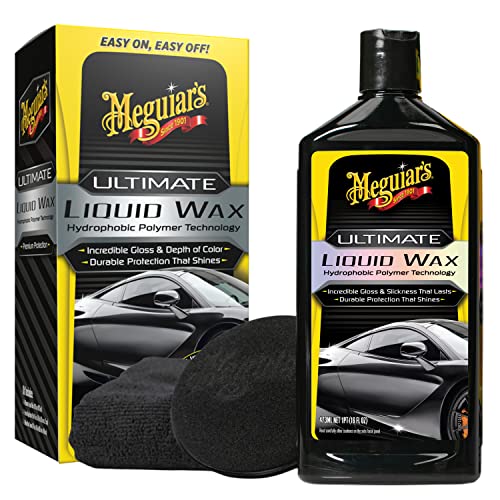
Waxing is a traditional method to protect car paint. It creates a barrier against pollutants and UV rays. Car wax enhances the shine and depth of the paint. Regular application ensures long-lasting protection. Choose a high-quality wax for the best results. Applying wax is simple. Clean your car thoroughly and dry it. Use a soft cloth or applicator pad. Spread the wax in circular motions. Buff the surface for a glossy finish.
Sealants And Ceramic Coatings
Sealants offer a stronger protective layer than wax. They are synthetic and last longer. Sealants provide excellent resistance against oxidation. They also repel water, reducing streaks and spots. For application, clean and dry the car. Use a microfiber cloth to apply the sealant evenly. Ceramic coatings are advanced and durable. They form a semi-permanent bond with the paint. This coating offers superior protection against oxidation. It also enhances the paint’s gloss and color depth. Ceramic coatings require professional application. They are pricier but offer lasting benefits.
Maintenance Tips To Prevent Oxidation
Keeping your car paint free from oxidation ensures it remains vibrant and glossy. Regular care prevents damage and extends the life of your vehicle’s exterior. Embrace simple maintenance practices to protect your car from the harmful effects of oxidation.
Regular Washing And Drying
Wash your car every two weeks to remove dirt and grime. Use gentle soap and a soft sponge to avoid scratches. Rinse thoroughly with clean water to eliminate soap residue. After washing, dry your car immediately with a microfiber towel. This prevents water spots and reduces oxidation risk.
Avoiding Harmful Environmental Factors
Park your car in shaded areas to protect it from harsh sunlight. Use a car cover if no shade is available. This shields the paint from UV rays, reducing oxidation. Avoid parking near factories or construction sites. Air pollutants can settle on the paint, causing damage. Choose parking spots wisely to ensure your car’s paint remains pristine.

Credit: www.reddit.com
Expert Advice On Paint Care
Car paint oxidation can dull your vehicle’s appearance. It affects the car’s shine and value. Regular care helps maintain paint brilliance. Experts provide valuable advice on paint care. Following their tips can keep your car looking new. Let’s explore some expert advice on maintaining car paint.
Understanding Oxidation
Oxidation occurs when paint loses its oils. This leads to a faded look. Sun exposure and air pollutants speed this process. Recognizing early signs helps in addressing the issue promptly.
Choosing The Right Products
Select quality products for car paint care. Use non-abrasive cleaners to avoid scratches. Look for products specifically designed to combat oxidation. Read labels carefully to ensure compatibility with your car’s paint type.
Proper Washing Techniques
Wash your car regularly to remove dirt. Use a soft cloth or sponge. Avoid washing under the sun to prevent spots. Rinse thoroughly to remove all soap residues.
Applying A Good Polish
Polish helps restore shine by removing minor oxidation. Apply using a clean, soft cloth. Work in small sections for even application. Follow the product instructions for best results.
Regular Waxing
Wax acts as a protective barrier. It shields paint from environmental damage. Apply wax every few months for optimal protection. Use a quality product for lasting shine.
Seeking Professional Help
Consider professional detailing for severe oxidation. Experts have tools and products to restore your paint. They can assess the damage and recommend solutions. Professional care might be necessary for best results.
Maintaining A Routine
Establish a regular care routine. Consistency helps prevent oxidation buildup. Stick to a schedule for washing and waxing. Regular maintenance keeps your car looking great.

Credit: www.facebook.com
Frequently Asked Questions
What Is The Best Way To Remove Oxidation From Car Paint?
Use a clay bar to remove surface contaminants. Apply a polishing compound to eliminate oxidation. Finish with a quality car wax for protection and shine. Regular maintenance prevents further oxidation and keeps your car paint looking new. Always follow product instructions and test on a small area first.
Does Wd-40 Remove Oxidation On Car Paint?
WD-40 can help remove light oxidation on car paint. Apply gently and use a microfiber cloth for best results. It’s crucial to follow up with a proper car wax or polish to protect the paint. Regular maintenance is recommended for keeping your car paint in good condition.
What Is The Best Homemade Oxidation Remover?
The best homemade oxidation remover is a mixture of baking soda and vinegar. Create a paste using equal parts, apply it to the oxidized surface, and gently scrub with a soft cloth or brush. Rinse thoroughly with water for effective results.
This natural solution is safe and environmentally friendly.
Can You Undo Oxidation?
Oxidation can be reversed through chemical processes. Using antioxidants or specific treatments helps restore affected materials. Common methods include chemical solutions, polishing, or coating. Regular maintenance can prevent further oxidation and prolong material life. Always follow safety guidelines when attempting to reverse oxidation.
Conclusion
Removing oxidation from car paint is simple with the right steps. Regular maintenance keeps your car looking fresh and vibrant. Use gentle products to avoid further damage. Always test in a small area first. Consistent care enhances your car’s appearance and value.
A clean, polished car leaves a lasting impression. Remember, patience and care are key. Follow these tips to maintain your car’s shine. Enjoy the satisfaction of a well-maintained vehicle. Happy cleaning!