Is a Truck a Car: Debunking Auto Classification Myths
Have you ever found yourself wondering, “Is a truck a car?” It’s a question that might seem simple at first, but it opens up a fascinating discussion about the vehicles we see every day.
Whether you’re a seasoned driver or someone just curious about automobiles, understanding the differences and similarities between trucks and cars can change how you view the road. Picture this: you’re driving down the highway, surrounded by a mix of vehicles.
Some are sleek and compact, while others are rugged and towering. But what really sets them apart? And why does it matter to you? This isn’t just about semantics; it’s about how these vehicles fit into your life, your needs, and even your budget. We’ll break down the differences in a way that speaks directly to you. We’ll explore how these vehicles impact your daily commute, your weekend adventures, and your wallet. So, buckle up and get ready to discover what makes a truck a truck, a car a car, and why it matters to you.
The Basics Of Vehicle Classification
Understanding vehicle classification is essential for distinguishing different types of automobiles. Cars and trucks may look similar but serve distinct purposes. Vehicle classification helps in defining these differences based on size, design, and function.
The Definition Of A Car
A car typically refers to a passenger vehicle with four wheels. It is designed to transport people rather than goods. Cars have a compact size and are built for comfort and efficiency. They are often used for personal travel and can vary in style, such as sedans, coupes, and hatchbacks.
The Definition Of A Truck
A truck is primarily designed for transporting goods. Trucks are larger than cars and have a robust structure. They often feature a cab and a bed or cargo area. Trucks serve industrial purposes and are key in logistics and transportation. They can range from small pickups to large commercial vehicles.
Key Differences In Design
Cars focus on aerodynamics and sleek designs. They prioritize fuel efficiency and comfort. Trucks emphasize durability and power. Their design supports heavy loads and off-road capabilities. Trucks often have higher ground clearance than cars.
Understanding Vehicle Regulations
Regulations play a role in vehicle classification. Cars must meet specific safety and emission standards. Trucks face additional rules due to their size and purpose. These rules ensure the safe transport of goods. Understanding these regulations is crucial for manufacturers and drivers.
Usage And Purpose
Cars are ideal for daily commuting and leisure travel. They offer convenience and are easy to maneuver in urban areas. Trucks are essential for business and heavy-duty tasks. They are used in construction, farming, and transporting large items. This distinct usage defines their classification.
Credit: www.capitalone.com
Defining Trucks And Cars
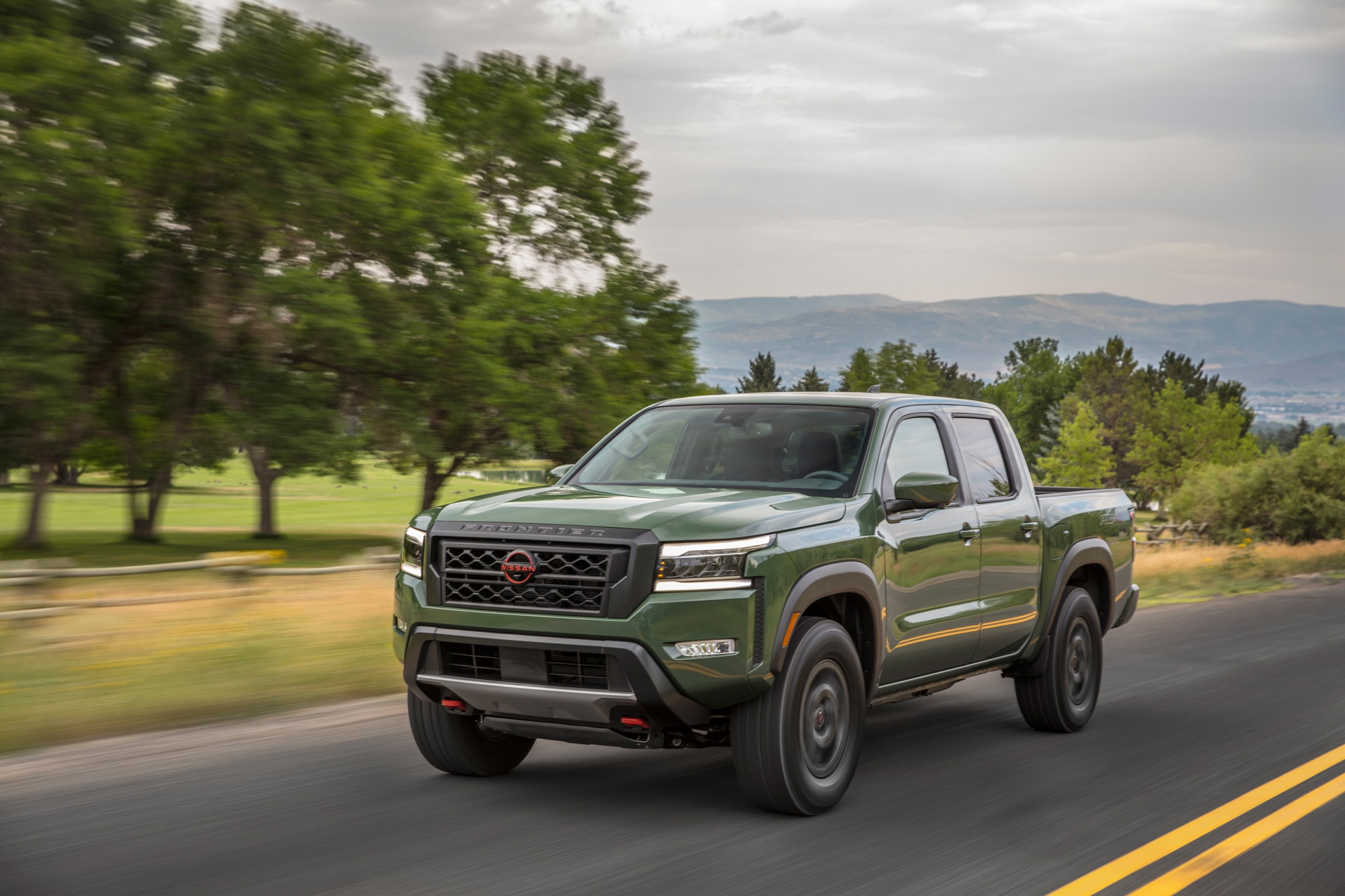
Trucks and cars both serve transportation needs but differ in design and function. Trucks are built for heavy-duty tasks, often larger and sturdier. Cars typically focus on passenger comfort and efficiency, suited for everyday travel. Understanding these distinctions helps define their roles on the road.
Defining Trucks and Cars Understanding the differences between trucks and cars is essential. Both serve distinct purposes and offer unique features. While they may appear similar, their functions and designs set them apart. Recognizing these differences can help you choose the right vehicle for your needs.Key Characteristics Of Trucks
Trucks are built for heavy-duty tasks. They often feature powerful engines. This enables them to carry heavy loads with ease. Trucks typically have larger frames and higher ground clearance. This design helps them navigate rough terrains. Many trucks include a cargo bed for transporting goods. This feature makes them ideal for businesses and outdoor activities.Distinct Features Of Cars
Cars are designed for comfort and efficiency. They usually offer better fuel economy than trucks. Cars are often smaller and more aerodynamic. This design helps them achieve higher speeds. Most cars provide a smoother ride on paved roads. They are perfect for daily commuting and city driving. Cars typically have more seating capacity, making them family-friendly.Historical Context
The distinction between trucks and cars has evolved over time. Both vehicles have unique histories. Their development reflects changing needs and technologies. This section explores their historical context. Understanding this evolution helps clarify their differences and similarities.
Evolution Of Trucks
Trucks have roots in the early 20th century. They were designed for hauling and heavy loads. The first trucks were simple. They had basic features and limited power. Over time, trucks gained strength and capacity. World War I boosted truck development. Military needs led to innovations. Post-war, trucks became vital for commerce. The 1950s saw trucks diversify. They served construction, farming, and delivery. Modern trucks now boast advanced technology. They offer comfort and efficiency alongside power.
Cars Through The Ages
Cars emerged in the late 19th century. They started as luxury items. Early cars were costly and rare. The Model T changed this in 1908. It made cars affordable for many. This shifted society toward car ownership. The 1920s and 1930s saw car design evolve. Streamlined shapes and colors became popular. After World War II, cars became symbols of freedom. The 1960s introduced muscle cars. These were powerful and stylish. Today, cars are diverse and innovative. They include hybrids and electric models. Each era of cars reflects cultural and technological shifts.
Legal Definitions And Regulations
Understanding the legal definitions and regulations of vehicles is crucial. Is a truck classified as a car? This question often arises due to differing regulations. These distinctions impact licensing, insurance, and compliance with government standards. Let’s dive into how trucks are defined legally and what regulations govern them.
Government Standards
Government standards play a key role in defining vehicle types. Trucks and cars differ in design and purpose. Trucks are often built for transporting goods. Cars are primarily for passenger transport. Federal and state standards classify vehicles based on use and size. Trucks may fall under commercial vehicle regulations. Cars usually do not. These standards influence manufacturing and safety requirements.
Impact On Licensing And Insurance
Licensing and insurance requirements vary between trucks and cars. Trucks might need special licenses for operation. Drivers often require a commercial driver’s license. Cars generally need a standard driver’s license. Insurance policies differ too. Trucks may require higher coverage due to their potential risk. Cars often have less stringent insurance needs. Understanding these differences is vital for compliance and safety.
Technological Differences
Trucks and cars may share the road, but they differ technologically. Their differences stem from their design, purpose, and engineering. Let’s explore these technological differences in detail.
Engine And Performance
Trucks and cars have distinct engine requirements. Cars usually have smaller engines. They focus on fuel efficiency and smooth rides. Trucks often boast larger engines. These engines offer greater torque and power. Trucks need this for hauling and towing heavy loads. This difference impacts performance and fuel consumption.
Design And Functionality
Cars prioritize comfort and aesthetics. They usually have sleek designs. This helps with aerodynamics and efficiency. Trucks, on the other hand, prioritize functionality. Their design accommodates cargo space and towing capabilities. Trucks often have a higher ground clearance. This allows them to handle rough terrains better than cars.
Cultural Perceptions
Trucks and cars hold distinct places in our culture. Each vehicle carries its own set of perceptions and significance. While trucks are seen as robust and utilitarian, cars often represent style and speed. This blog explores how society views these vehicles and their roles in popular culture.
Societal Views On Trucks
Trucks symbolize strength and reliability. Many associate them with hard work and adventure. In rural areas, trucks are vital for farming and construction. They are tools for heavy lifting and rough terrains. Urban settings see trucks as symbols of freedom. They offer a sense of escape and exploration. For some, owning a truck is a status symbol. It reflects a lifestyle choice, embracing the great outdoors.
Cars In Popular Culture
Cars have a glamorous image. They are often linked to speed and innovation. Movies showcase cars as symbols of wealth and power. Think of James Bond’s sleek vehicles or the Fast & Furious franchise. Cars are central to these narratives, driving action and excitement. They also represent personal freedom. Many dream of road trips in iconic cars, like the Mustang. Cars fuel imagination and inspire creativity in stories.
Market Trends
Understanding the market trends between trucks and cars helps consumers make informed choices. This sector has seen dynamic changes in recent years. Trucks and cars now serve different purposes and appeal to diverse consumer needs.
Consumer Preferences
Consumer preferences have shifted significantly towards versatility and functionality. Many people now prefer trucks for their robust features and utility. Trucks offer ample cargo space, making them ideal for families and outdoor enthusiasts. They provide a sense of safety with their larger build.
On the other hand, cars are favored for their fuel efficiency. They appeal to individuals who commute within cities. Their compact size allows easy maneuvering in urban areas. Cars also tend to be more affordable, which attracts budget-conscious buyers.
Sales And Popularity
Sales data indicates a rising trend in truck purchases. Trucks have become increasingly popular, particularly in rural and suburban areas. Their versatility for work and leisure makes them a preferred choice. This trend is reflected in sales reports showing steady growth in truck sales.
Cars, while still popular, have seen fluctuations in sales. Compact and electric cars are gaining traction among environmentally conscious consumers. The demand for hybrid and electric vehicles is creating new market segments. Overall, both trucks and cars hold significant places in the market.

Credit: cars.usnews.com
Environmental Considerations
Understanding the environmental impact of trucks versus cars is crucial. Trucks generally consume more fuel, contributing to higher emissions. Evaluating their usage helps in making sustainable transportation choices.
Environmental considerations are crucial when discussing whether a truck is like a car. Both vehicles impact the environment differently. Trucks and cars have varied emission standards and fuel efficiency. Understanding these differences helps make informed choices for our planet.Emission Standards
Trucks and cars must meet different emission standards. Cars generally adhere to stricter limits. This is because they are more numerous on roads. Trucks emit more pollutants due to their size and power. They must follow specific regulations to control emissions. The standards aim to reduce harmful gases. These gases contribute to air pollution and climate change.Fuel Efficiency Comparisons
Trucks usually have lower fuel efficiency than cars. Their larger size and weight require more energy. Cars are designed for better fuel economy. They consume less fuel for longer distances. Trucks, being work vehicles, often carry heavy loads. This affects their fuel consumption significantly. Fuel efficiency is a key factor in environmental impact. Choosing the right vehicle for your needs can help reduce your carbon footprint.Future Of Vehicle Classification
Debates arise on whether a truck qualifies as a car. Trucks serve distinct purposes with unique features and classifications. Understanding these differences shapes the future of vehicle classification.
The future of vehicle classification is more exciting and complex than ever before. As technology advances, the lines between different types of vehicles are blurring. This ongoing evolution raises an interesting question: Is a truck just a bigger car, or is it something entirely different?Impact Of Electric Vehicles
Electric vehicles are transforming how we classify vehicles. They’re breaking traditional categories by offering trucks that are as efficient and quiet as cars. Take the Tesla Cybertruck, for instance. It’s a truck in form but offers the kind of acceleration and environmental benefits traditionally associated with electric cars. This shift is prompting regulators to rethink classifications, blending features of multiple vehicle types. Are you ready to see your definition of a ‘truck’ and a ‘car’ change dramatically?Changing Transportation Needs
Our transportation needs are not what they used to be. Urban areas are demanding smaller, more versatile vehicles that can navigate tight spaces while still offering utility. Consider the rise of compact trucks that combine the load capacity of a truck with the maneuverability of a car. These vehicles are perfect for city dwellers who need both. As your lifestyle evolves, so does the vehicle that best suits your needs. Could your next vehicle be a blend of car and truck, designed to meet your unique demands? The changing landscape of vehicle classification is not just a result of technological innovation but also a response to shifting consumer needs. How do you see your transportation needs evolving in the next decade?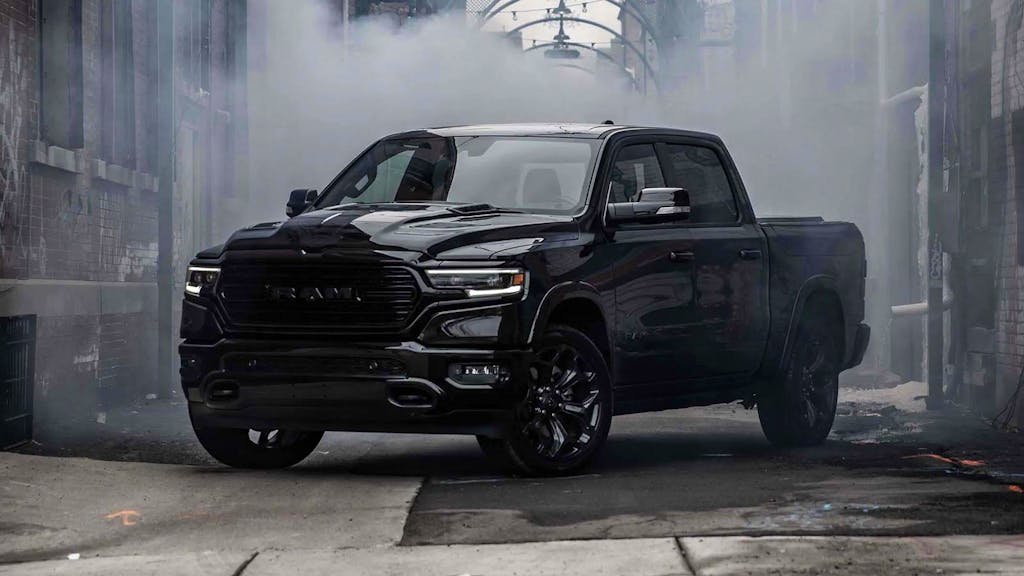
Credit: www.cartalk.com
Frequently Asked Questions
Is A Truck A Car Or Vehicle?
A truck is a type of vehicle designed for transporting goods. It is not classified as a car. While both cars and trucks are vehicles, they differ in design, purpose, and capacity. Trucks are larger and often used for commercial purposes, while cars are typically for personal use.
What Makes A Truck Not A Car?
Trucks differ from cars in size, design, and function. Trucks often have larger frames, stronger engines, and higher payload capacity. They are designed for transporting goods and heavy-duty tasks. Cars prioritize passenger comfort and fuel efficiency, typically featuring smaller frames and engines suitable for everyday driving.
What Is Considered A Car?
A car is a motorized vehicle designed for transporting passengers on roads. It typically has four wheels, an engine, and seats for occupants. Cars vary in size, style, and function, including sedans, SUVs, and hatchbacks. They are essential for personal and commercial transportation.
What Is A Truck Classified As?
A truck is classified as a motor vehicle designed for transporting cargo. It typically features a larger capacity than cars. Common types include pickup trucks, semi-trucks, and dump trucks. Regulations may vary by region, affecting classification specifics.
Conclusion
Understanding the difference between trucks and cars is important. Trucks are heavier and designed for different tasks. Cars are lighter and made for personal use. Both serve unique purposes on the road. Some people prefer trucks for their cargo space.
Others choose cars for everyday convenience. Each type has its own strengths. Consider your needs before buying. Think about what you will use the vehicle for. Both trucks and cars have benefits. Choose the right one for your lifestyle. Make an informed choice for your transportation needs.

Similar Posts