What are Rotors on a Car: Essential Brake Components
Have you ever wondered what makes your car stop smoothly and safely? One essential component that plays a critical role in your vehicle’s braking system is the rotor.
If you’ve ever been curious about what rotors on a car are and why they matter, you’re in the right place. Understanding rotors is not just for car enthusiasts; it’s valuable knowledge for every driver who cares about their safety on the road.
We’ll break down the basics of car rotors, explain how they work, and why keeping them in good condition is crucial for your peace of mind. So, let’s dive in and discover how these often-overlooked parts keep you and your loved ones safe every time you hit the brakes.
Credit: www.kamienbrake.com
Function Of Rotors
Rotors on a car are crucial for braking. They work with brake pads to slow or stop the vehicle. Rotors convert kinetic energy into thermal energy, ensuring safe driving by reducing speed efficiently.
The rotors on a car play a crucial role in its braking system. These disc-like components are essential for ensuring safe and effective stopping power. Understanding their function can enhance your knowledge about car maintenance and safety.What Are Car Rotors?
Car rotors are round metal discs connected to each wheel. They work with the brake pads to help the car stop. When you press the brake pedal, it triggers the pads to clamp down on the rotors. This friction slows the wheels, bringing the car to a halt.How Do Rotors Work?
Rotors convert kinetic energy into heat energy. As the brake pads press against them, this friction generates heat. The heat then dissipates, which helps to slow the car. This process is vital for safe driving, especially in emergencies. Rotors can wear out over time. Look for signs like squeaking noises or vibrations when braking. These indicate that the rotors might need checking. Regular inspections can prevent further damage and ensure your car stops safely.Maintaining Your Rotors
Keep rotors in good shape by regular checks and maintenance. Clean them often to remove dirt and debris. Replace them when they show signs of wear. Proper care extends their life and keeps your car safe.Types Of Brake Rotors
Car rotors are metal discs connected to the wheels. They come in types like solid, vented, and drilled. Solid rotors are basic and affordable, vented ones cool faster, while drilled rotors offer better grip in wet conditions.
When you’re learning about car maintenance, understanding the types of brake rotors is crucial. They play a vital role in your car’s braking system, directly impacting its safety and performance. Different types of rotors come with unique features, each designed to cater to specific driving needs and conditions.Solid Rotors
Solid rotors are the simplest type of brake rotors. They are made from a single piece of metal, typically cast iron, and are well-suited for lighter vehicles. While they may not provide the best heat dissipation, their affordability and durability make them a popular choice for everyday cars.Vented Rotors
Vented rotors are designed with a gap between two discs, allowing for better air circulation. This design helps in dissipating heat more effectively, reducing the risk of brake fade during extended use. If you’ve ever noticed your brakes feeling less responsive after a long drive, vented rotors might be the answer to your problem.Drilled Rotors
Drilled rotors feature holes drilled into their surface, aimed at enhancing heat dissipation and improving braking performance in wet conditions. However, they can be prone to cracking under extreme stress. If you drive in a rainy climate and want to maintain braking efficiency, drilled rotors could be a smart investment.Slotted Rotors
Slotted rotors have grooves cut into their surface, which helps in clearing away debris and moisture. This design ensures consistent contact between the brake pad and rotor, leading to improved performance. While they might wear down brake pads faster, the enhanced braking power is often worth the trade-off for performance enthusiasts.Composite Rotors
Composite rotors combine different materials, such as aluminum and carbon fiber, to achieve a balance between weight and strength. These rotors are typically found in high-performance vehicles, offering superior heat resistance and longevity. If you prioritize performance and don’t mind the higher cost, composite rotors are worth considering. Choosing the right type of brake rotor for your vehicle can make a significant difference in your driving experience. What type of rotor do you think would best suit your driving habits?Rotor Materials
Rotors on a car are crucial components of the braking system. They work with brake pads to stop the vehicle. Made from durable materials like cast iron or carbon composites, rotors endure high heat and friction. Proper maintenance ensures safety and extends rotor life.
Understanding the materials used in car rotors is crucial for anyone looking to optimize their vehicle’s performance. The rotor, an essential component of the brake system, can be made from various materials, each offering distinct advantages. Let’s dive into some common rotor materials and see how they impact your driving experience.Cast Iron
Cast iron is the most traditional material used for rotors. It’s known for its durability and heat dissipation properties. While it may be heavier than other options, its ability to withstand high temperatures makes it ideal for everyday driving. Have you ever felt your car’s brakes becoming less responsive during a long drive? Cast iron rotors help combat that issue by maintaining their integrity under stress.Steel
Steel rotors are another popular choice, often found in performance vehicles due to their lightweight nature. They offer better acceleration and handling, making them perfect for those who love a sporty drive. Although they might not dissipate heat as effectively as cast iron, they provide a smoother and more efficient braking experience. If you’ve ever been curious about enhancing your car’s agility, steel rotors might be the answer.Carbon Composite
Carbon composite rotors are designed for high-performance cars, offering exceptional strength and heat resistance. These rotors are typically found in racing and luxury vehicles due to their ability to provide consistent performance under extreme conditions. They are lighter and more expensive than other materials but offer unmatched braking efficiency. Have you considered upgrading your car for better track performance? Carbon composite rotors could be a worthwhile investment.Ceramic
Ceramic rotors are the pinnacle of brake technology, offering superior heat resistance and longevity. These rotors are favored in racing and high-end vehicles due to their ability to maintain performance even at high speeds. While they come with a higher price tag, their benefits in terms of reduced wear and tear make them an attractive option for serious car enthusiasts. If you’re looking to balance performance with longevity, ceramic rotors might just be the perfect choice for your car. Each material brings unique characteristics to the table, affecting your car’s performance in different ways. Which material resonates most with your driving style?Signs Of Rotor Wear
Brake rotors are crucial for a car’s braking system. Over time, they can wear out, affecting braking performance. Recognizing signs of rotor wear helps maintain safety and efficiency. Let’s explore these signs.
Noise Indicators
Squealing or grinding noises signal rotor issues. This happens when brake pads wear down, exposing metal. The metal-on-metal contact creates noise. It can also mean the rotors have uneven surfaces.
Vibration Symptoms
Feel vibrations when braking? It might be the rotors. Warped rotors cause this. The steering wheel may shake. The brake pedal might pulsate. These vibrations hint at rotor problems.
Visual Inspection
Look at the rotors. Check for grooves or scoring. Deep lines suggest rotor wear. Rust can also indicate issues. Rotors should be smooth. Any irregularities suggest a closer look.
Maintenance Tips
Maintaining the rotors of your car is crucial for ensuring optimal brake performance and safety. Neglecting rotor maintenance can lead to reduced braking efficiency and costly repairs. Here are some essential maintenance tips to keep your rotors in top shape and ensure a smooth driving experience.
Regular Inspections
Make it a habit to inspect your car’s rotors regularly. Look for signs of wear such as grooves or uneven surfaces. If you hear any squeaking or grinding noises while braking, it might be time for a closer look.
During inspections, check the rotor thickness. A rotor that’s too thin can compromise safety. You can either use a micrometer or have a professional measure it for you.
Regular inspections can save you from unexpected brake failures. Wouldn’t you rather catch a problem early than face a costly repair later?
Proper Cleaning
Keeping your rotors clean is more important than you might think. Dirt and debris can cause uneven wear and tear. Use a brake cleaner spray to remove any dirt buildup without leaving a residue.
Avoid using harsh chemicals or abrasive materials, as they can damage the rotors. Always let the cleaner dry completely before driving.
Have you ever noticed how a clean rotor can improve your braking efficiency? It’s a simple step that makes a big difference.
Timely Replacement
Even with the best care, rotors will eventually need replacing. Pay attention to the warning signs like vibrations during braking or a noticeable decrease in stopping power.
Consult your vehicle’s manual or a trusted mechanic to know the recommended lifespan of your rotors. Delaying replacement can lead to further damage to the braking system.
Think about it: wouldn’t you rather invest in timely replacement than risk your safety on the road?
Choosing The Right Rotors
Choosing the right rotors for your car is crucial for ensuring optimal performance and safety. Whether you’re upgrading your vehicle’s brake system or replacing worn-out parts, understanding your driving needs and conditions can guide you to make an informed decision. Let’s dive into some key considerations that can steer you in the right direction.
Driving Conditions
Your daily driving environment plays a significant role in selecting the appropriate rotors. If you’re navigating through mountainous regions or congested city roads, you’ll need rotors that can handle frequent braking and heat dissipation. Consider going for slotted or drilled rotors if your routes involve extensive stop-and-go traffic or steep inclines. These designs improve airflow and help maintain performance under stress.
Performance Needs
Are you an occasional racer or a speed enthusiast? Performance rotors, often made from high-quality materials, are designed for enhanced responsiveness and greater stopping power. Pay attention to features like cross-drilling and slotting, which are engineered to boost brake performance during high-speed driving. While these may come at a higher price, the superior control and safety they offer can be well worth the investment.
Budget Considerations
Your budget is another crucial factor in selecting the right rotors. While premium rotors offer advanced features, there are plenty of cost-effective options that still provide reliable performance for everyday driving. Focus on rotors that offer a good balance between cost and longevity. Investing in durable rotors might save you money in the long run by reducing the frequency of replacements.
Have you ever found yourself regretting a purchase because it didn’t suit your needs? When choosing rotors, take a moment to reflect on your driving habits and conditions. This small step can make a big difference in your overall driving experience and safety.
Installation Process
Rotors are crucial components of a car’s braking system. Installing new rotors involves removing the wheel, taking off the old rotor, and securing the new one. Proper installation ensures effective braking and safety on the road.
Installing rotors on a car involves several steps. It’s crucial to have the right tools and knowledge. This section will guide you through the installation process. It ensures a smooth and safe installation. Follow the steps carefully to avoid mistakes.Required Tools
Gather the necessary tools before starting. You will need:- Socket wrench set
- Jack and jack stands
- Rubber mallet
- Brake cleaner
- Torque wrench
- Safety gloves and goggles
Step-by-step Guide
Lift the car using a jack. Secure it with jack stands. Remove the wheel using a socket wrench. Locate the brake caliper and unbolt it. Hang the caliper using a wire to avoid strain. Remove the old rotor from the hub. Clean the hub with brake cleaner. Position the new rotor onto the hub. Ensure it’s flush and secure. Reattach the brake caliper. Bolt it tightly using a torque wrench. Reinstall the wheel. Lower the car from the jack stands. Test the brakes for proper function.Safety Precautions
Always wear safety gear. Gloves protect your hands. Goggles shield your eyes from debris. Ensure the car is stable on jack stands. Never rely solely on the jack. Check all bolts for tightness. Loose bolts can cause accidents. Avoid distractions during installation. Focus on each step carefully.
Credit: www.youtube.com
Common Myths
When it comes to car maintenance, misconceptions about rotors often lead to unnecessary repairs and expenses. Rotors play a critical role in your vehicle’s braking system, yet myths about them abound. Understanding these myths can save you time, money, and ensure your car’s safety.
Warping Misconceptions
Many drivers believe that rotors easily warp from heat. It’s a common claim that after a long drive, your rotors might bend out of shape due to excessive temperatures. But this isn’t entirely accurate. In reality, what often happens is uneven rotor surface due to pad material transfer, not warping.
Have you ever felt a pulsing sensation when braking? That’s usually blamed on warped rotors, but it’s more likely to be uneven wear or deposits. Keeping rotors clean and checking for wear can help maintain smooth braking.
Performance Myths
There’s a belief that high-performance cars require special types of rotors. People often think that slotted or drilled rotors drastically improve braking efficiency. While these designs have benefits, they aren’t necessary for everyday driving. They’re more suited for racing scenarios where extreme heat dissipation is needed.
Consider your driving habits before investing in specialized rotors. Do you really need race-grade performance for a daily commute? Most standard rotors are perfectly adequate for regular use.
Understanding these myths can lead to better car maintenance choices. Have you fallen for any of these rotor myths before? Share your experiences and let’s debunk these misconceptions together.
Credit: www.northyorkchrysler.ca
Frequently Asked Questions
How Much Does It Cost To Replace A Rotor?
Replacing a rotor costs between $150 and $300 per axle, including parts and labor. Prices vary by vehicle type and location.
How Do You Know If A Rotor Is Bad?
Signs of a bad rotor include vibrations, squealing noises, visible grooves, and longer braking distances. Inspect for cracks or uneven wear. Reduced performance during braking can also indicate rotor issues. Regular checks can prevent further damage and ensure safe driving.
Can You Drive A Car With Bad Rotors?
Driving with bad rotors is dangerous. It can lead to reduced braking efficiency and increased stopping distances. This poses a risk to your safety and others on the road. Replace damaged rotors promptly to ensure safe driving conditions and maintain vehicle performance.
Are Rotors And Brakes The Same Thing?
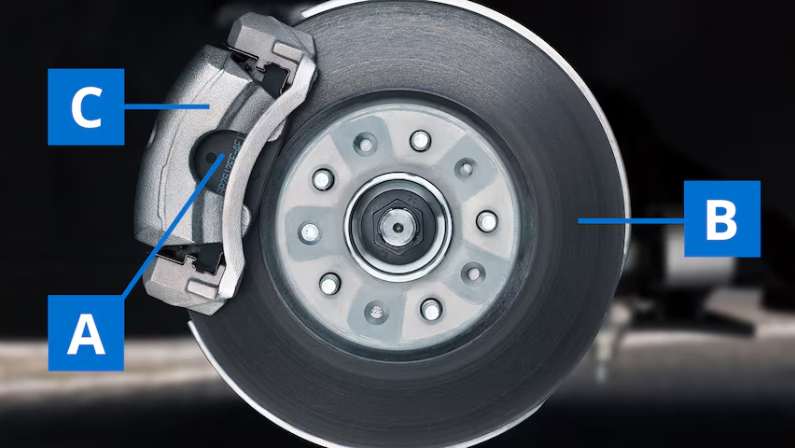
Rotors and brakes are not the same. Rotors are part of the braking system, while brakes include pads, calipers, and rotors. The rotors spin with the wheels, and the brake pads press against them to slow down or stop the vehicle.
Both are essential for effective vehicle braking.
Conclusion
Rotors play a key role in a car’s braking system. They provide the necessary friction to stop the vehicle. Without them, braking would be inefficient and unsafe. Regular maintenance ensures rotors function properly. It’s important to check for wear and damage.
Replacement might be necessary if they’re worn out. Paying attention to rotors can prevent accidents. It also saves money on potential repairs. Keeping them in good condition boosts the car’s performance. A well-maintained car offers a safer drive. Prioritize rotor checks for peace of mind.
Safe driving starts with a reliable braking system.

Similar Posts