What Does Econ Mean in a Car: Efficiency Explained
Have you ever glanced at your car’s dashboard and wondered, “What does ‘Econ’ mean in a car?” You’re not alone.
This mysterious little button can be a game-changer for your driving experience, and understanding it can save you money while being kinder to the environment. Imagine driving smarter, saving fuel, and even extending the life of your vehicle—all with the push of a button.
Intrigued? Keep reading to discover how the Econ mode can transform the way you drive, making every journey smoother and more economical. This simple feature might just be the key to unlocking your car’s full potential.
Credit: www.hondadelaval.com
Eco Mode Basics
Eco Mode Basics in cars can be your best friend if you’re looking to save fuel and drive more efficiently. Imagine driving with a system that helps you optimize fuel consumption without sacrificing performance. It’s like having a savvy co-pilot ensuring you’re getting the most out of every drop of fuel. But what exactly does Eco Mode do, and why is it becoming a staple in modern vehicles? Let’s dive into the essentials.
Definition Of Eco Mode
Eco Mode, often labeled as “Econ” in cars, is a feature designed to enhance fuel efficiency. When activated, it adjusts the engine’s performance, throttle response, and sometimes the transmission shifting to consume less fuel. It’s like giving your car a gentle nudge towards being more environmentally friendly, without demanding radical changes from you. It’s simple: you press a button, and the car starts behaving in a more eco-conscious manner.
Purpose In Modern Vehicles
Why do so many cars come equipped with Eco Mode today? The primary purpose is to help drivers reduce their carbon footprint while saving money at the pump. As fuel costs rise and environmental concerns grow, having an Eco Mode allows you to play your part in conserving energy. Think about how much more satisfying your daily commute could be knowing you’re contributing to a greener planet.
Eco Mode also encourages smoother driving habits. Ever noticed how rushing through traffic drains your fuel faster? Eco Mode prompts you to adopt more relaxed driving, which not only saves fuel but also reduces wear and tear on your vehicle. It’s like a gentle reminder to drive smart, not hard.
Have you tried using Eco Mode in your car yet? If not, it might be time to explore this feature and see how it changes your driving experience. Could this small change in habit lead to bigger savings and a cleaner environment? The choice is yours, and it’s right at your fingertips.
Credit: www.facebook.com
How Eco Mode Works
Eco Mode in a car adjusts engine and transmission settings to improve fuel efficiency. It reduces power output and optimizes air conditioning usage. This helps save fuel and is gentle on the environment.
Eco Mode in a car is a feature designed to enhance fuel efficiency. It achieves this by adjusting various vehicle systems. When activated, Eco Mode modifies the engine, transmission, and other components. Let’s delve into how it works.Engine Management Adjustments
Eco Mode alters the engine’s performance for better fuel economy. It reduces throttle response. This means the car accelerates more gradually. It also adjusts the air-fuel mixture. The engine uses less fuel overall. These changes help save gas.Transmission Behavior Changes
Transmission settings also change in Eco Mode. The car shifts gears at lower RPMs. This reduces engine strain and conserves fuel. Gear shifts become smoother. The car may feel less sporty, but it gains efficiency.Impact On Air Conditioning And Accessories
Eco Mode affects air conditioning and other accessories. It limits the power used by these systems. Air conditioning may not cool as quickly. The focus is on conserving energy. This reduces the load on the engine. The result is improved fuel efficiency.Benefits Of Using Eco Mode
Eco Mode in cars offers numerous advantages for drivers and the environment. This feature optimizes vehicle settings to enhance fuel efficiency and reduce emissions. It helps drivers enjoy a smoother ride while contributing to a healthier planet. Discover the benefits of using Eco Mode and learn how it can make driving more sustainable.
Fuel Efficiency Gains
Eco Mode adjusts engine performance to improve fuel economy. It reduces throttle response, saving fuel during acceleration. This feature also optimizes gear shifts for better mileage. By using Eco Mode, drivers can reduce fuel consumption significantly. This means fewer trips to the gas station and lower fuel expenses.
Reduced Environmental Impact
Cars in Eco Mode produce fewer emissions. This mode minimizes carbon footprint by lowering exhaust emissions. It helps decrease air pollution, benefiting the environment. Eco Mode supports cleaner air and a healthier planet. Drivers contribute positively to environmental conservation by using this feature.
Extended Vehicle Life
Eco Mode promotes gentle driving habits. It reduces engine strain, prolonging vehicle lifespan. Smooth acceleration and deceleration prevent wear and tear. This mode helps maintain car components in good condition. Drivers experience fewer maintenance issues and lower repair costs. Eco Mode supports long-term vehicle reliability and performance.
Limitations Of Eco Mode
Eco Mode, often referred to as Econ, is a feature in many modern cars designed to enhance fuel efficiency. By optimizing various vehicle settings, it helps you save on gas. However, like any feature, it comes with its own set of limitations. Understanding these can help you make better choices when driving.
Performance Trade-offs
Activating Eco Mode often results in a noticeable change in your car’s performance. The acceleration may feel sluggish, especially if you’re used to a responsive throttle. This is because the car limits engine output to save fuel.
In Eco Mode, the transmission may take longer to shift gears. This can lead to a less smooth driving experience, particularly in stop-and-go traffic. Some drivers find this frustrating, especially when merging onto highways.
Situations Where Eco Mode May Not Be Ideal
Eco Mode isn’t always the best choice in every driving scenario. If you’re on a steep hill, the reduced power output can make your car struggle to climb efficiently. You might find yourself needing to switch out of Eco Mode for better performance.
In extreme weather conditions, like very hot or cold days, Eco Mode can affect your car’s climate control. The system might not cool or heat the cabin as quickly as you’d like, impacting comfort. You may have to decide between optimal climate control and fuel efficiency.
Consider your driving conditions before engaging Eco Mode. Are you in a hurry or planning a long road trip with varying terrains? Knowing when to use or avoid Eco Mode can enhance your driving experience.
Comparing Eco Mode With Other Driving Modes
Econ mode in a car focuses on fuel efficiency, adjusting engine performance for better mileage. Unlike Sport or Normal modes, Econ mode reduces power slightly to save fuel. It’s ideal for city driving, helping drivers save money and reduce emissions.
Comparing Eco Mode with Other Driving Modes Choosing the right driving mode can make a significant difference in your driving experience and fuel efficiency. Eco Mode, often found in modern vehicles, aims to optimize fuel usage and reduce emissions. But how does it stack up against other modes like Sport and Normal? Let’s dive into these comparisons to help you make informed choices on the road.Differences With Sport Mode
Eco Mode and Sport Mode represent two ends of the driving spectrum. In Eco Mode, the car adjusts settings to prioritize fuel economy. This might mean a slightly slower acceleration and less responsive throttle, but the trade-off is fewer trips to the gas station. In contrast, Sport Mode is all about performance. It delivers a more responsive throttle and quicker gear shifts, which can make your drive feel more exhilarating. However, this comes at the cost of increased fuel consumption. Consider how often you prioritize speed over fuel efficiency. Is the thrill of a quick acceleration worth the added fuel costs for your daily commute?Comparison With Normal Driving Mode
Normal Driving Mode strikes a balance between Eco and Sport Modes. It offers a standard driving experience without leaning too heavily towards fuel efficiency or performance. You might find it the default mode for most of your driving needs. In comparison, Eco Mode actively works to save fuel, often by adjusting air conditioning and engine performance. While this might slightly reduce power, it can lead to substantial savings over time. Think about your driving habits. Are you more focused on reducing your carbon footprint, or do you prefer maintaining a middle ground with moderate fuel consumption? Your choice can impact both your wallet and the environment. Ultimately, understanding these modes can enhance your driving experience. Each mode serves a distinct purpose, and knowing when to use each can lead to a more enjoyable and efficient drive.Practical Tips For Maximizing Eco Mode
Understanding ‘Econ’ mode in a car is simple. It adjusts engine and transmission settings to enhance fuel efficiency. Practical tips include smooth acceleration, avoiding rapid speed changes, and regular maintenance for optimal performance.
Practical Tips for Maximizing Eco Mode Eco mode in your car can be a game-changer for fuel efficiency and overall driving experience. While it might seem like a simple button, there’s more to it than meets the eye. Maximizing its benefits requires a combination of smart driving habits and regular maintenance. By adopting certain practices, you can save money on fuel and help the environment. Let’s dive into some practical tips that will help you get the most out of eco mode.Driving Habits To Adopt
Small changes in your driving habits can make a big difference. Start by gently accelerating instead of flooring the pedal. This reduces fuel consumption and puts less strain on the engine. Maintain a steady speed whenever possible. Constant acceleration and deceleration waste fuel and reduce the efficiency of eco mode. Keep an eye on the road ahead and anticipate traffic lights and stops. This will help you slow down gradually and avoid abrupt stops, conserving energy and fuel.Maintenance Tips For Optimal Performance
Regular maintenance is key to keeping your car running efficiently in eco mode. Ensure your tires are properly inflated. Under-inflated tires increase resistance and decrease fuel economy. Check and replace your air filters regularly. Clean filters allow your engine to breathe better, improving performance and efficiency. Remember to have your engine oil changed on schedule. Fresh oil reduces friction and helps the engine run smoothly, maximizing eco mode’s benefits. Are you doing everything you can to make the most of eco mode? Small steps can lead to big savings and a cleaner planet.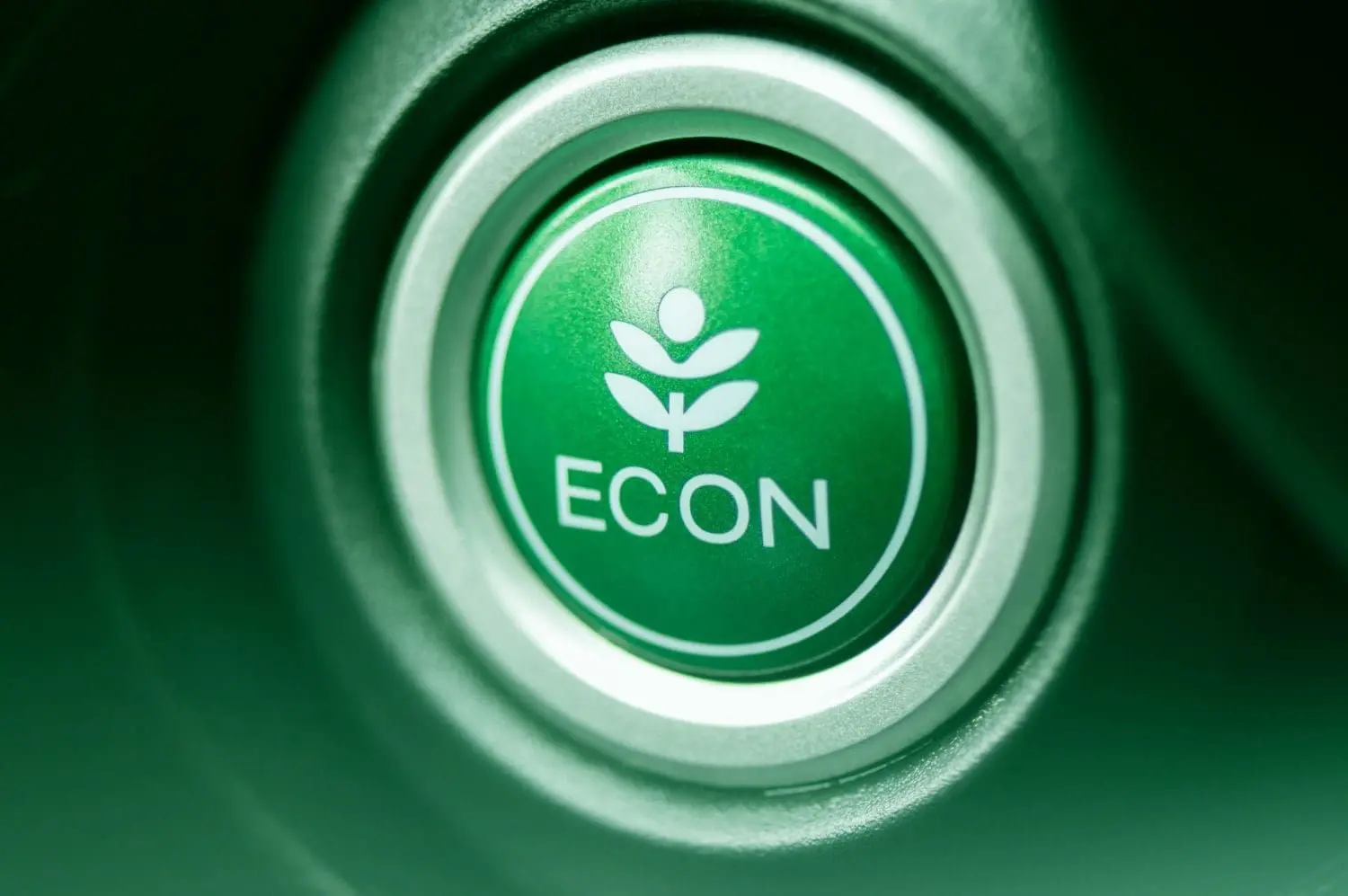
Credit: www.jaywolfehonda.com
Frequently Asked Questions
When Should I Use Econ Mode?
Use econ mode during city driving, heavy traffic, or short trips to save fuel. It optimizes engine performance, adjusts air conditioning, and enhances mileage. Avoid using it when extra power is needed, like highway driving or towing. Econ mode is ideal for maximizing fuel efficiency in everyday conditions.
Is Econ The Same As Ac?
Econ and AC are not the same. Econ mode in AC systems adjusts settings for energy efficiency, while AC maintains a set temperature. Econ mode helps save energy by optimizing performance and reducing power consumption.
Why Is My Econ Light On?
The ECON light indicates your vehicle’s economy mode is active. This mode optimizes fuel efficiency by adjusting engine and transmission settings. Check your car’s manual for specific details and ensure everything is functioning correctly. If the light stays on unexpectedly, consult a professional mechanic for further inspection.
Is Econ Better For Your Car?
Yes, using “econ” mode can improve fuel efficiency by optimizing engine performance. It adjusts throttle response and transmission settings, enhancing your car’s mileage. While it may reduce power slightly, it’s beneficial for everyday driving. Always consult your car’s manual for specific details and compatibility.
Conclusion
Understanding the “Econ” mode in cars can save fuel. It adjusts engine settings for efficiency. This mode is great for city drives. You spend less on gas. It helps reduce emissions too. Easier on the environment. Simple technology with big impact.
Drivers enjoy longer journeys without frequent refueling. Cars perform smoothly in Econ mode. It’s a smart choice for mindful driving. For those who value economy and sustainability. Econ mode offers an efficient driving experience. Ideal for everyday use. Consider trying it next time you drive.
Feel the difference in efficiency.

Similar Posts