What Oil Do I Need for My Car: Essential Guide
Imagine you’re standing in the auto aisle, surrounded by countless bottles of motor oil, each promising to be the best choice for your car. It’s overwhelming, right?
The truth is, choosing the right oil is crucial for your car’s health and performance. But how do you decide which one suits your vehicle best? This article will guide you through the maze of options, making it easier for you to pinpoint the perfect oil for your car.
You’ll learn about the types, benefits, and specific factors to consider, ensuring your car runs smoothly and efficiently. Dive in and empower yourself with the knowledge to keep your car’s engine purring like a kitten!
Types Of Engine Oil
Choosing the right engine oil depends on your car’s engine type and driving conditions. Synthetic oil offers better performance in extreme temperatures, while conventional oil suits older engines. Check your owner’s manual for the recommended oil type to ensure optimal engine health and efficiency.
Choosing the right engine oil is vital for your car’s performance. There are several types of engine oil available. Each type has its unique benefits and characteristics. Understanding these types helps you make an informed decision for your vehicle’s health.Conventional Oil
Conventional oil is the most common type. It is derived from crude oil and refined for use. It is affordable and suitable for everyday driving. It is ideal for light-duty vehicles with simple engines. Regular maintenance is required when using conventional oil.Synthetic Oil
Synthetic oil is designed for high performance. It offers superior protection and efficiency. It is created through chemical processes and is more stable. This oil type is perfect for high-tech engines and extreme temperatures. It often lasts longer between oil changes.Synthetic Blend
Synthetic blend combines conventional and synthetic oils. It offers a balance of affordability and performance. This type provides better protection than conventional oil. It is suitable for vehicles exposed to heavy loads and stress. It is a cost-effective option for improved engine protection.High-mileage Oil
High-mileage oil is formulated for older vehicles. It contains additives to reduce leaks and oil consumption. This oil type helps prolong engine life. It is ideal for cars with over 75,000 miles. It improves engine seals and reduces wear and tear.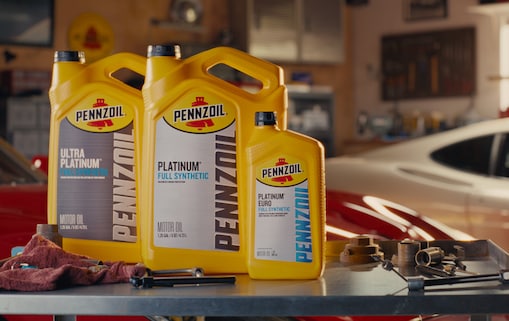
Credit: www.pennzoil.com
Understanding Oil Viscosity
Choosing the right oil for your car can feel like deciphering a code. One crucial aspect to understand is oil viscosity, a term often highlighted on oil bottles but shrouded in mystery. Viscosity measures an oil’s thickness and flow resistance, and it’s pivotal for your engine’s well-being. Grasping this concept can transform your car maintenance routine, ensuring smoother rides and a healthier engine.
Viscosity Ratings
Oil viscosity is rated using numbers and letters, like 10W-40. The number before the ‘W’ indicates the oil’s thickness in cold weather, while the second number reflects its performance at high temperatures. These ratings aren’t just arbitrary; they guide you in choosing oil that suits your climate and driving habits. Are you living in a colder region? A lower ‘W’ rating ensures your engine starts effortlessly on chilly mornings.
Impact On Performance
Viscosity directly affects your car’s performance. Using oil that’s too thick can make your engine work harder, reducing efficiency and fuel economy. On the flip side, oil that’s too thin might not provide enough protection, leading to wear and tear. Consider your car’s age and the manufacturer’s recommendations. Does your engine sound rough or struggle on highways? It might be calling for a viscosity adjustment.
Manufacturer’s Recommendations
Choosing the right oil for your car is crucial for maintaining its health and performance. The manufacturer’s recommendations are your best guide. They are tailored to your car’s engine design and specifications, ensuring optimal performance and longevity. You might wonder, can you trust these guidelines? Absolutely, as they are based on extensive testing and engineering expertise.
Checking The Owner’s Manual
Your owner’s manual is a treasure trove of information. It’s like having a conversation with your car’s maker. The manual specifies the type of oil—be it synthetic or conventional—and the viscosity grade needed for your engine. Have you ever flipped through those pages? If not, it’s time to get familiar. The manual might also have recommendations for different driving conditions, like extreme temperatures or towing needs.
Consulting With Dealerships
Dealerships are another great resource. Their technicians are trained specifically for your vehicle’s brand and model. They can offer insights into oil types that work best for your car. Have you ever asked them directly? You might be surprised at how much they know. They can also inform you about oil changes and any updates from the manufacturer. It’s like having a team of experts at your disposal, helping you make informed decisions.
Climate Considerations
Choosing the right oil for your car depends on various factors. Climate plays a crucial role in this decision. Different weather conditions demand different oil properties to ensure optimal engine performance. Understanding these requirements can help maintain your vehicle’s longevity and efficiency.
Cold Weather Requirements
In cold climates, oil needs to flow easily at low temperatures. This ensures quick engine start-ups on chilly mornings. Look for oils with a lower viscosity rating, like 5W-30 or 0W-30. The “W” stands for winter, indicating its suitability for cold conditions. Synthetic oils are often preferred in freezing temperatures. They maintain better fluidity in extreme cold, providing superior protection. Always check your car’s manual for specific recommendations.
Hot Weather Needs
Hot climates demand oils that resist thinning at high temperatures. These oils prevent excessive wear and tear on engine parts. Choose oils with a higher viscosity rating, such as 10W-40 or 15W-50. These oils provide a thicker protective layer in heat. They ensure your engine stays cool and performs efficiently. Regularly check oil levels during hot months to avoid engine overheating. Consult your car’s manual for the best oil choices in hot conditions.
Driving Habits And Oil Choice
Your driving habits play a crucial role in choosing the right oil for your car. Different driving styles require different oil types to ensure optimal performance and longevity. Understanding how your driving pattern impacts oil selection can save you money and prevent engine issues.
City Driving
Stop-and-go traffic is common in city driving. This can lead to increased engine wear. Frequent stops make the engine work harder. In such cases, synthetic oil is often recommended. Synthetic oils offer better protection and maintain viscosity in varying temperatures. They also reduce engine deposits, keeping your engine cleaner.
Highway Driving
Engines run more efficiently at constant speeds. This is typical of highway driving. Long distances at steady speeds mean less strain on the engine. In this scenario, high-mileage oils are a good choice. They help maintain engine performance over long distances. Regular oil changes are still essential to ensure engine health.
Towing And Heavy Loads
Towing and carrying heavy loads put extra stress on your engine. This requires oils with enhanced protective features. These oils help in reducing friction and heat buildup. Heavy-duty synthetic oils are often preferred for these conditions. They offer superior lubrication under stress and maintain stability at high temperatures.
Oil Change Frequency
Understanding the oil change frequency for your car is crucial for maintaining its performance and longevity. Many car owners wonder how often they should change their oil, and the answer isn’t always straightforward. It can depend on several factors, including your driving habits, the type of oil used, and the age of your vehicle.
Mileage Intervals
One of the most common guidelines for oil change frequency is based on mileage intervals. Traditionally, the rule of thumb was every 3,000 miles, but advancements in engine technology and oil quality have extended this interval. Many modern vehicles can go 5,000 to 7,500 miles between oil changes. Check your owner’s manual for specific recommendations.
Regularly changing your oil based on mileage ensures that the engine remains lubricated, preventing wear and tear. If you frequently drive in stop-and-go traffic or haul heavy loads, you might need to change your oil more often. Always consider your driving conditions when determining the best mileage interval for your car.
Time-based Changes
Even if you don’t drive many miles, time-based oil changes are important. Oil can degrade over time, losing its effectiveness. Most manufacturers suggest changing your oil every six months, regardless of mileage. This prevents the oil from becoming contaminated or breaking down.
Think about it: even if your car isn’t being driven, the oil is still sitting in the engine, potentially gathering moisture or other impurities. Regularly changing your oil based on time can help prevent engine issues. It’s a simple step that can save you from expensive repairs down the road.
Have you ever skipped an oil change because you hadn’t hit the mileage yet? Consider scheduling changes based on time intervals to keep your car running smoothly. What works best for your driving habits and vehicle type?
Environmental Impact
Your car’s oil choice doesn’t just affect your engine’s health; it also impacts the environment. With increasing awareness of climate change and pollution, understanding the environmental implications of your oil choices is crucial. Every small decision, including how you manage your car’s oil, contributes to a larger ecological footprint. Are you making choices that protect the environment?
Recycling Used Oil
Used oil is not just waste; it’s a valuable resource that can be recycled. Recycling helps reduce pollution and conserve natural resources. Many auto shops and service centers offer recycling programs, making it easy for you to dispose of used oil responsibly.
When you recycle oil, you’re helping to prevent soil and water contamination. It’s a simple step that can make a big difference. Think about it: one gallon of used oil can contaminate one million gallons of fresh water. Ensuring your oil is recycled can help avoid this. Are you making the effort to recycle?
Eco-friendly Oil Options
Choosing eco-friendly oil products can minimize environmental impact. Synthetic oils often have longer life spans, reducing waste and the frequency of oil changes. Moreover, some oils are formulated to be biodegradable, further decreasing their ecological footprint.
Look for oils labeled as environmentally friendly or biodegradable. Brands are increasingly responding to consumer demand for greener options. These alternatives are designed to protect your engine while also protecting the planet. Why not try switching to a greener oil next time?
By making informed choices about your car’s oil, you can contribute to a healthier planet. It’s not just about maintaining your car; it’s about maintaining the earth. Are you ready to make environmentally conscious decisions today?

Credit: www.reddit.com
Common Oil Myths
When it comes to maintaining your car, oil is the lifeblood of your engine. Yet, myths about engine oil abound. These misconceptions can lead to confusion and even costly mistakes. Let’s debunk some of these myths and help you make informed decisions about your car’s oil needs.
Synthetic Vs. Conventional
Many drivers believe that synthetic oil is only necessary for high-performance cars. This is a misconception. Synthetic oil offers benefits for everyday vehicles too. It provides better protection in extreme temperatures and reduces engine wear.
On the other hand, conventional oil is often seen as the budget-friendly option. While it’s true that it costs less, it requires more frequent changes, which can add up over time. Have you considered the long-term savings of synthetic oil?
Oil Additives
Oil additives promise improved performance and longevity for your engine. The truth is, modern oils already contain necessary additives. Adding more can disrupt the oil’s balance and potentially harm your engine.
Some drivers think more additives mean better protection. In reality, overdoing it could lead to poor engine performance. Have you checked your vehicle manufacturer’s guidelines on oil additives?
Understanding these myths can help you make smarter choices for your car. Next time you’re due for an oil change, remember these insights. What oil myths have you believed before, and how have they impacted your car care routine?

Credit: www.reddit.com
Frequently Asked Questions
How Do I Find Out What Oil My Car Needs?
Check your owner’s manual for oil type recommendations. Use the manufacturer’s website or consult a mechanic for guidance. Always follow vehicle specifications for optimal performance.
What Type Of Oil Is Recommended For My Car?
Check your car’s manual for the recommended oil type. Typically, cars use synthetic or conventional oil. Choose based on climate and driving conditions. Regularly update oil to maintain engine health and efficiency.
Will It Hurt My Car If I Use 5w30 Instead Of 5w20?
Using 5W30 instead of 5W20 may affect fuel efficiency and engine performance. Always consult your car’s manual for recommended oil. Some engines might tolerate the difference, but it’s best to follow manufacturer guidelines to avoid potential issues.
How Do I Know If My Car Needs Synthetic Oil Or Regular Oil?
Check your car’s owner’s manual for recommended oil type. It specifies synthetic or regular oil requirements.
Conclusion
Choosing the right oil boosts your car’s performance and lifespan. Regular checks help maintain engine health. Consult your car manual for specific oil recommendations. Consider synthetic or conventional oils based on your driving needs. Synthetic oils offer better protection for extreme conditions.
Conventional oils are cost-effective for everyday driving. Always ensure the oil meets your car’s specifications. A trusted mechanic can offer valuable advice. Remember, correct oil usage saves money on repairs. Proper maintenance keeps your car running smoothly. Make informed choices for a reliable vehicle.
Drive safe and enjoy the journey!

Similar Posts