When to Buy a New Car: Timing Tips for Smart Buyers
Are you wondering whether it’s time to invest in a new car? This decision can feel overwhelming, especially with so many factors to consider.
Maybe your current vehicle is showing signs of aging, or perhaps you’re just itching for an upgrade. Whatever the reason, knowing when to buy a new car is crucial for making a smart choice that suits your needs and budget.
Imagine cruising down the road in a car that perfectly fits your lifestyle, offering safety, comfort, and the latest tech features. Picture the peace of mind that comes from knowing your vehicle is reliable and efficient. This isn’t just about buying a car; it’s about enhancing your daily experience and getting the most value out of your investment. We’ll explore the key signs that indicate it’s time for a new ride, and guide you through the decision-making process. You’ll learn how to assess your current vehicle’s condition, weigh the benefits of a new car, and determine the best timing for your purchase. Don’t miss out on crucial insights that can lead you to the perfect car for your needs. Keep reading to unlock the secrets of making a wise and satisfying car purchase.
Economic Considerations
Buying a new car is a big decision. Economic considerations play a crucial role in this process. Understanding your financial situation can help you make a smart choice. Let’s explore some key factors that influence your decision to buy a new car.
Interest Rates And Financing
Interest rates greatly affect your monthly payments. Lower rates mean lower payments. It’s wise to research current interest rates. Many banks and lenders offer different rates. Compare them to find the best deal. Always check your credit score first. A higher score often gets better rates. Consider the loan term too. Longer terms mean smaller payments but more interest overall.
Seasonal Sales And Discounts
Car manufacturers often offer deals at certain times. Year-end sales are popular. Dealers want to clear old models for new ones. This can mean big discounts for buyers. Holidays like Memorial Day or Black Friday may have special sales. Keep an eye on these events. Buying during these sales can save you money. Always negotiate for the best price. Don’t settle for the first offer you get.
Vehicle Depreciation
Deciding to buy a new car involves many factors. Vehicle depreciation is a key consideration. Depreciation refers to the loss in value of a car over time. Understanding depreciation helps make informed decisions. Cars lose value the moment they are driven off the lot. This is why timing your purchase can minimize losses. Evaluating depreciation rates can save money in the long run.
Understanding Depreciation Curves
Depreciation curves show how a car’s value decreases. Typically, cars lose the most value in the first few years. Afterward, depreciation slows down. Knowing the curve helps plan the right time to purchase. New cars depreciate faster than used cars. As a car ages, depreciation rates become more predictable. This knowledge assists in choosing the right vehicle age.
Optimal Times To Minimize Depreciation
Timing your purchase is crucial. Buying a slightly used car can minimize depreciation. Cars usually lose 20-30% value in the first year. Consider buying a car that is one to three years old. This period sees slower depreciation rates. Another good time is during model clearance sales. Dealers offer discounts to make room for new models. Such opportunities can reduce upfront costs significantly.
Model Year Changes
The car market is always evolving. Model year changes can affect your decision. New features, designs, and technologies are introduced each year. Understanding these shifts helps in finding the right time to buy. It could mean better deals or the latest innovations.
New Model Releases
Every year, manufacturers release new models. These releases often come with advanced technology. Buyers who want the latest should consider timing their purchase. New models usually hit the market in late summer or early fall. Dealers might offer incentives to boost sales for these fresh releases.
End-of-year Clearance Sales
End-of-year sales provide great opportunities for buyers. Dealers aim to clear old inventory before new models arrive. This period typically sees significant discounts. It can be the perfect moment to find a deal on last year’s models. December is a popular time for these sales, offering a chance to save money.
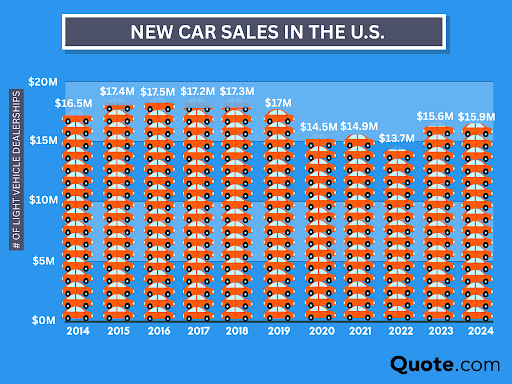
Credit: www.quote.com
Personal Financial Health
Deciding to buy a new car involves more than just desire. It’s crucial to consider your personal financial health. This ensures you make a smart purchase without straining your finances. Let’s dive into key financial factors to keep in mind.
Assessing Budget And Savings
Start by evaluating your budget. Determine how much you can afford monthly. This includes car payments, insurance, and maintenance costs. Consider your savings too. A solid down payment can reduce monthly expenses. Assess current expenses and income. Ensure you’re not overextending financially.
Credit Score Considerations
Your credit score plays a big role. It affects loan approval and interest rates. Higher scores often mean better rates. Check your score before visiting dealerships. If it needs improvement, take steps to boost it. This could save money in the long run. Aim for a score that opens favorable options.
Lifestyle And Needs Assessment
Deciding when to buy a new car involves a careful look at your lifestyle. Assessing your needs ensures the vehicle fits your current life situation. This process involves evaluating changes in your daily life and considering specific needs.
Life Changes And Family Needs
Life changes often mean new car needs. Expanding families need more space. A bigger car can accommodate growing families. New pets might require a more spacious vehicle. Even moving to a new area might change your transportation needs.
Consider your family’s future plans. Are you planning to have more children soon? Will you need space for sports equipment or strollers? These factors help determine the size and type of car you need. Assessing these changes can help you decide if a new car is necessary.
Commuting And Travel Requirements
Your daily commute impacts your car choice. Long commutes might need a fuel-efficient vehicle. A reliable car ensures you reach work without issues. If your job location changes, reevaluate your car needs.
Consider your travel frequency. Frequent travelers might require a comfortable and spacious car. Those who take road trips need a reliable car for long distances. Evaluate your travel habits to decide if your current car meets your needs.
Market Trends And Innovations
Buying a new car is a big decision. Understanding market trends and innovations can help. Knowing what’s new in the car industry is key. It can guide you towards a smart purchase.
Electric And Hybrid Vehicle Trends
Electric cars are gaining popularity. More people prefer eco-friendly options. Car manufacturers are responding with more electric models. Hybrid cars combine gas and electric power. They offer better fuel efficiency. Both types are seen as the future of transportation.
Prices for electric vehicles are dropping. This makes them more accessible. Government incentives encourage buyers to consider these options. Charging stations are becoming more common. This solves one of the biggest challenges for electric car users.
Technology Advancements In Cars
Modern cars have advanced technology features. Touchscreen displays are standard in many vehicles. They control navigation, music, and more. Cars now have driver assistance systems. These systems enhance safety on the road.
Connectivity is another key trend. Cars can connect to smartphones easily. This lets drivers access apps while driving. Voice command systems are improving. They allow hands-free operation. This makes driving safer and more convenient.
Trade-in Values
Trade-in values can help decide the best time to buy a new car. Higher trade-in values reduce your new car’s cost. Understanding this timing can maximize your savings.
When thinking about buying a new car, understanding trade-in values can be a game changer. It’s not just about what your current car is worth, but how you can leverage that value to reduce the cost of your next vehicle. A little preparation can turn your old car into a powerful bargaining tool.Maximizing Trade-in Offers
Maximizing your trade-in offer starts with knowing your car’s worth. Use online valuation tools to get an estimate. This gives you a baseline for negotiations. Maintaining your car in good condition can significantly boost its trade-in value. Regular servicing, clean interiors, and fixing minor issues can pay off. Having service records handy can also make a difference. It shows potential buyers that your car has been well-cared for.Timing For Best Trade-in Deals
Timing your trade-in can impact the offer you receive. Consider trading your car when new models are released. Dealers may be more eager to clear out older inventory. The end of the month can also be a strategic time. Sales targets mean dealers might offer better deals to meet quotas. Ask yourself if the market is favorable. In a seller’s market, with high demand and low supply, your trade-in value might be higher. By approaching your trade-in with strategy and timing, you can effectively increase its value. What steps are you taking to ensure you get the best deal possible?
Credit: agirlsguidetocars.com

Credit: www.moneysense.ca
Frequently Asked Questions
At What Point Should You Buy A New Car?
Buy a new car when repair costs are high, mileage is excessive, or safety features are outdated. Consider upgrading if fuel efficiency is poor or your lifestyle changes demand it. Assess financial stability to ensure affordability. Prioritize reliability and long-term value when making your decision.
What Is The 20/4-10 Rule For Buying A Car?
The 20/4-10 rule advises a 20% down payment, financing for 4 years, and spending less than 10% of monthly income on car expenses. This strategy helps manage car purchase costs effectively.
At What Mileage Should You Get A New Car?
Most experts recommend considering a new car around 100,000 to 150,000 miles. This range typically marks the point where repair costs may increase. Evaluate your car’s condition and expenses to make an informed decision. Regular maintenance can extend a car’s lifespan beyond these miles.
What Is The 30-60-90 Rule For Cars?
The 30-60-90 rule for cars suggests servicing vehicles every 30,000, 60,000, and 90,000 miles. Regular maintenance includes oil changes, brake checks, and fluid replacements. Following this schedule ensures optimal performance and longevity, preventing costly repairs. Prioritize maintenance to keep your car running smoothly and efficiently.
Conclusion
Choosing when to buy a new car involves many factors. Budget matters. Check your savings and monthly expenses. Your current car’s condition is crucial too. Frequent repairs can drain money fast. Look at your lifestyle needs. A growing family might need more space.
Research market trends. Prices can vary by season. Consider your long-term plans. A new car can be a big commitment. Take your time. Don’t rush the decision. Ask questions. Talk to experts. Make sure the timing is right for you.
A well-thought-out purchase can bring peace and satisfaction.