Will Your Insurance Cover Rental Car: Essential Guide

When you’re planning a trip, whether for business or pleasure, renting a car can offer you the freedom and flexibility you need. But before you hit the road, an important question arises: will your insurance cover the rental car?
This is a crucial detail that can save you from unexpected expenses and stress. Imagine the peace of mind knowing you’re financially protected, allowing you to focus on creating memories rather than worrying about what-ifs. We’ll unravel the intricacies of insurance coverage for rental cars, ensuring you’re well-prepared and confident in your travel plans.
Stay with us as we guide you through the essential steps to secure your journey.

Credit: www.nerdwallet.com
Rental Car Insurance Basics
Understanding rental car insurance is crucial before hitting the road. Many personal auto policies extend coverage to rental cars. Check your policy details to know what it includes.
Renting a car can be a convenient way to explore new destinations without the hassle of public transportation. But before you hit the road, understanding rental car insurance basics is crucial. Many people assume their personal auto insurance covers rental cars, but this isn’t always the case. Knowing what your policy includes can save you from unexpected costs and headaches.Understanding Coverage Options
When renting a car, you typically have several insurance options. Your personal auto insurance might cover rental cars, but check the specifics of your policy. Some credit cards offer rental car insurance as a perk, but you need to use the card for the rental to activate this coverage. Always read the fine print to understand what’s covered.Collision Damage Waiver (cdw)
A Collision Damage Waiver is often offered at the rental counter. It’s not insurance, but it can reduce your financial liability if the car is damaged or stolen. You might wonder if this is necessary if you have comprehensive coverage at home. It depends; CDW can offer peace of mind, eliminating out-of-pocket expenses for repairs or replacements.Liability Insurance
Liability insurance covers damages to other cars, property, and medical costs if you’re at fault in an accident. Rental companies usually offer this as an add-on, but your personal insurance might already have it. Consider your existing coverage limits to decide if you need extra protection.Personal Accident Insurance
Personal Accident Insurance covers medical expenses for you and your passengers after an accident. If you already have health insurance, you might not need this extra coverage. However, if you’re traveling internationally, double-check whether your policy applies overseas.Personal Effects Coverage
This type of insurance protects personal belongings inside the rental car from theft or damage. If you’re carrying expensive items, this could be useful. But before purchasing, verify if your homeowner’s or renter’s insurance already covers these items.Making An Informed Decision
Given all these options, how do you choose? Consider the nature of your trip. Are you driving in unfamiliar areas? Is your current policy sufficient? Ask yourself these questions to determine the right coverage for your needs. A little research and preparation can ensure a worry-free rental experience.
Credit: acera.ca
Types Of Coverage
Renting a car can be exciting, but figuring out if your insurance will cover it can be daunting. Understanding the types of coverage available can help you make informed decisions and avoid unexpected costs. Let’s dive into the various options you might encounter when renting a car.
Liability Coverage
Liability coverage is essential when renting a car. It covers damage you cause to others or their property while driving the rental. Imagine accidentally bumping into another car; liability coverage can save you from paying out-of-pocket for repairs.
Check if your personal car insurance already covers this. If not, consider adding it through the rental company. But why pay twice for the same protection?
Collision Damage Waiver
Collision Damage Waiver (CDW) can be a lifesaver if your rental car is damaged in an accident. Without CDW, you might be responsible for hefty repair bills. It’s not technically insurance but a waiver that reduces your financial liability.
Think of it as a peace-of-mind option, especially if you’re driving in unfamiliar territories. However, some credit cards offer CDW when you rent a car using their card. Isn’t it worth checking your card benefits?
Personal Accident Insurance
Personal Accident Insurance covers medical expenses if you or your passengers are injured in a rental car accident. While your health insurance might cover this, it’s crucial to know the limits and exclusions.
Consider your current health coverage. Does it adequately protect you in case of an accident? If not, adding this insurance might be wise.
Personal Effects Coverage
Personal Effects Coverage protects your belongings from theft or damage while in the rental car. Losing a laptop or suitcase can be frustrating, especially if you’re traveling for work or leisure.
Before opting for this coverage, check if your home insurance covers personal items outside your home. Why pay extra for something you already have?
Understanding these types of coverage can help you make smarter choices. Do you really need all of them, or are you already sufficiently covered? Always verify with your current insurance provider to avoid unnecessary expenses and ensure peace of mind during your travels.
Evaluating Your Personal Auto Policy
Understanding your personal auto policy is essential. Check if it includes coverage for rental cars. Sometimes, it does. Often, it depends on your policy specifics. Contact your insurance provider for details.
Evaluating Your Personal Auto Policy Understanding your auto policy is crucial. It helps you know if it covers rental cars. Policies vary, impacting your rental car coverage. Reviewing your policy details is important. It ensures you’re informed before renting a car. This saves you from unexpected costs.Coverage For Rental Cars
Your policy might cover rental cars. Check for liability, collision, and comprehensive coverage. Liability covers damages to others. Collision covers damage to the rental car. Comprehensive covers theft or vandalism. Look for these details in your policy documents. Confirm coverage limits and conditions.Limitations And Exclusions
Policies have limitations. They might not cover certain rentals. Luxury or exotic cars could be excluded. Some policies exclude rentals abroad. Read the fine print carefully. Understand what your policy doesn’t cover. This helps you avoid surprises during your trip. Always ask your insurer if unsure.Credit Card Rental Car Benefits
Discover if your credit card offers rental car insurance benefits. Some cards provide coverage, reducing extra costs. Always check the details with your card issuer.
When you rent a car, understanding the benefits your credit card offers can save you both money and stress. Many credit cards come with rental car insurance, providing an extra layer of protection. This can be a game-changer, especially if you’re concerned about the potential costs of unexpected accidents or damages. But how do these benefits work, and what should you look out for?Secondary Coverage Options
Credit cards often provide secondary coverage for rental cars. This means they will cover costs not picked up by your primary insurance. For example, if your personal car insurance covers the bulk of a rental car accident, your credit card can kick in to handle the rest. To make sure you’re covered, check your card’s terms and conditions. Not all credit cards offer the same level of protection. Some might only cover certain types of vehicles or exclude rentals in specific countries.Conditions And Requirements
To take advantage of your credit card’s rental car benefits, you must meet specific conditions. Most cards require that you use the card to pay for the rental. You might also need to decline the rental agency’s insurance for the credit card coverage to apply. Be sure to keep all rental agreements and paperwork. In the event of a claim, having detailed records will streamline the process. Does your credit card require you to notify them of any incidents within a specific timeframe? If so, missing this deadline could result in losing your coverage. Always read the fine print to avoid surprises.Rental Company Insurance Options
Understanding rental car coverage is crucial before renting a vehicle. Many personal auto insurance policies extend coverage to rental cars, but it’s essential to check specifics. Consider additional rental insurance if your policy lacks comprehensive or collision coverage for peace of mind.
When renting a car, you’re often presented with a variety of insurance options offered by the rental company. These options can be confusing, leaving you wondering if they are necessary or just another way for the company to boost their profits. Understanding the details of these choices can help you make an informed decision that suits your needs and budget.Pros And Cons
Choosing rental company insurance can be a lifesaver in certain situations. It typically covers damages or theft of the rental vehicle, giving you peace of mind while traveling. However, it can also be redundant if your personal auto insurance or credit card already provides similar coverage. On the downside, accepting rental company insurance can significantly increase your rental bill. Some people find they end up paying for something they never use. If you’re not cautious, you might end up with overlapping coverage, which means wasting money on protection you already have.Cost Considerations
Rental company insurance often appears as a tempting add-on, but it’s essential to weigh the costs. These options can range from a few dollars a day to as much as the rental cost itself. Over a week-long trip, this can add up to a substantial amount. Before accepting, check your existing auto insurance policy or credit card benefits. Many times, they include rental car coverage at no additional cost. By taking a little time to review these details, you could save a lot of money. Would you rather spend your vacation budget on insurance or an extra night in a nice hotel? Make sure you’re getting value for your money.International Rental Car Insurance
International rental car insurance may already be part of your policy. Check if your current plan covers rental cars abroad. It’s crucial to verify coverage details before traveling.
Renting a car abroad can be an exciting adventure, but it also brings unique challenges, especially when it comes to insurance. International Rental Car Insurance is something you definitely need to consider before hitting the road in another country. Whether you’re exploring the picturesque landscapes of Europe or navigating the bustling streets of Asia, understanding how your insurance applies internationally can save you both money and stress.Differences Abroad
Insurance policies can vary greatly from one country to another. What might be standard coverage in the U.S. could be an optional add-on in France or Japan. In some countries, rental agencies might offer insurance that covers only basic liability, leaving you vulnerable to hefty fees if an accident occurs. You might be surprised to find that your existing auto insurance doesn’t extend coverage when you drive a rental car abroad. It’s crucial to check with your insurance provider before your trip. Ask specific questions about international coverage to avoid unwanted surprises.Additional Coverage Needs
Consider whether you need additional coverage to protect against unforeseen incidents. Many travelers opt for additional insurance offered by rental companies to cover theft, damage, or personal injury. While this might seem like an extra expense, it could be invaluable in a foreign country where medical costs and repair fees can skyrocket. Some credit cards offer rental car insurance as part of their perks, but these benefits often come with limitations. It’s wise to review the terms carefully to understand what’s covered and what isn’t. Would you feel more secure with comprehensive coverage while driving in unfamiliar territories? The peace of mind might be worth the investment.Steps To Ensure Adequate Coverage
Renting a car can be an exciting experience, but ensuring that you have adequate insurance coverage is crucial. Without proper coverage, you might find yourself dealing with unexpected expenses. To make sure you’re protected, follow these steps to ensure your insurance covers rental cars effectively.
Reviewing Existing Policies
Start by examining your current auto insurance policy. Check if your coverage extends to rental cars. Look for terms like “rental vehicle coverage” or “non-owned vehicle coverage.” Sometimes these are included, but you might need to add them. It’s essential to understand the specifics, such as liability limits and deductibles.
Consider past experiences with rental cars to guide your review. Was there a time you overlooked a detail that led to unexpected costs? Use this memory to remind yourself of the importance of thoroughly reviewing your policy.
Consulting With Insurance Providers
If your policy doesn’t cover rental cars, it’s time to reach out to your insurance provider. Contact them directly to discuss options for rental car coverage. Ask specific questions about the extent of coverage, exclusions, and any additional fees.
Have you ever called an insurer only to realize you had missed asking a crucial question? Make a list of questions before the call. This proactive approach can prevent future headaches and ensure clarity.
Could adding rental car insurance save you money in the long run? Evaluate the cost versus the potential risks. Sometimes, a small fee can offer peace of mind and protect you from significant expenses.
By taking these steps, you can drive away with confidence knowing your rental car is adequately insured. Remember, being informed is your best defense against unexpected costs.
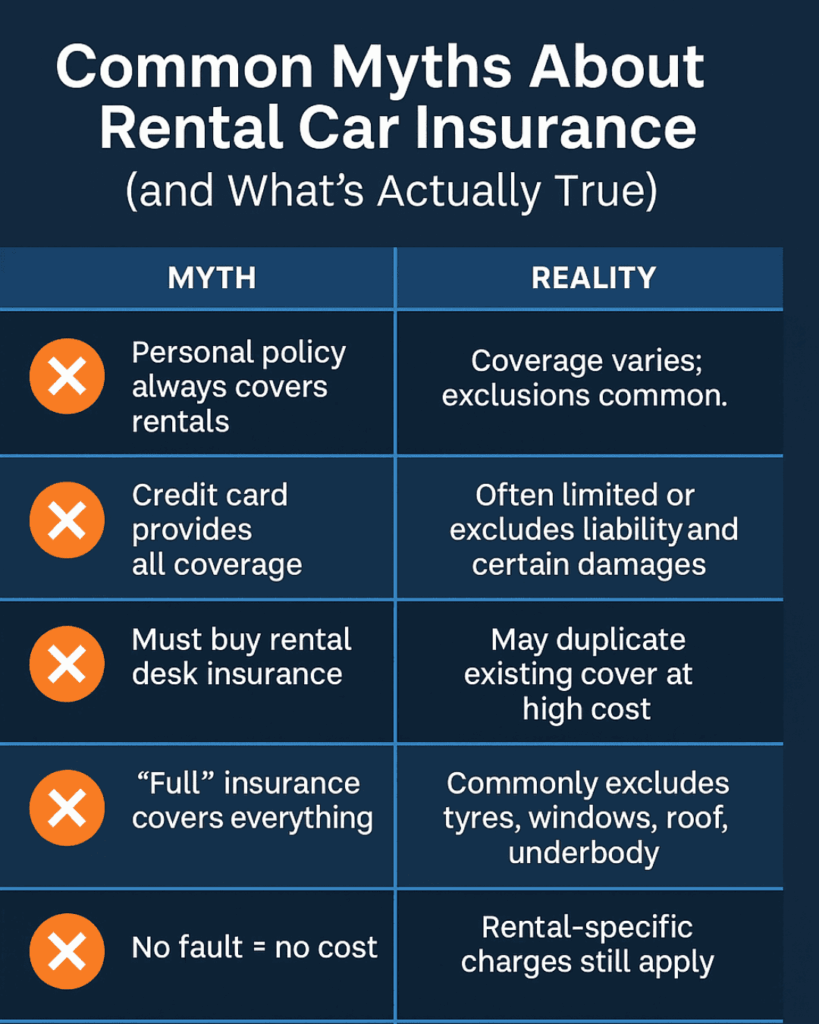
Credit: www.trendrentals.com.au
Common Mistakes To Avoid
Many people assume their insurance will cover rental cars. But that’s not always true. Understanding your coverage can prevent costly mistakes. Let’s explore common errors people make.
Overlapping Coverage
Some drivers buy extra insurance from rental companies. They don’t realize their existing policy covers rentals. This leads to unnecessary expenses. Check your personal auto policy first. It might already include rental car coverage. Credit card companies sometimes offer coverage, too. Verify your benefits before spending more.
Ignoring Fine Print
Policies can have hidden exclusions. These are often overlooked. Know what’s included and excluded in your coverage. For instance, some policies may not cover international rentals. Others might not cover certain vehicle types. Read the terms carefully. Ask questions if something seems unclear. This saves you from surprises later.
Frequently Asked Questions
Is My Rental Car Covered By My Insurance?
Check your personal auto insurance policy. Many policies cover rental cars, but specifics vary. Contact your insurer for details. Consider purchasing additional coverage from the rental company for peace of mind. Always review terms before renting a vehicle to ensure you’re adequately protected.
Do You Really Need The Extra Insurance When Renting A Car?
Evaluate your existing insurance policy before renting a car. Some policies or credit cards provide adequate coverage. Consider extra insurance if your policy lacks coverage or you want peace of mind. Weigh costs against potential risks to make an informed decision.
How Do I Use My Insurance To Get A Rental Car?
Contact your insurance provider to confirm rental car coverage. Provide necessary documents to the rental company. Pay any required deductible. Follow the rental company’s procedures for insurance claims. Ensure you’re aware of any coverage limits or exclusions before renting.
Does My Auto Insurance Cover Rental Cars For Auto Owners?
Your auto insurance may cover rental cars, but check your policy specifics. Confirm if coverage extends to rentals.
Conclusion
Understanding rental car insurance is essential before your trip. Check your policy details carefully. Know what your insurance covers. Contact your insurance company for clarity. It helps to avoid unexpected costs. Rental car companies offer their own coverage options too.
Compare them wisely. Make informed decisions to ensure peace of mind. Proper coverage can save you money and stress. Always read the fine print. It’s crucial for smooth travels. Secure the right coverage and enjoy your journey with confidence. Stay safe and informed while on the road.

Similar Posts