How to Care for Kalanchoe: Expert Tips Unveiled
Are you a plant lover looking to add a splash of color to your home? Meet the Kalanchoe, a vibrant and low-maintenance succulent that can brighten any room.
But like any living thing, it needs a bit of TLC to thrive. Imagine effortlessly transforming your living space with lush, blooming Kalanchoe that not only enhances your décor but also brings a sense of calm and satisfaction. You might be wondering what it takes to keep these beauties thriving.
The good news? It’s easier than you think! Dive into this guide, and discover the simple secrets to keeping your Kalanchoe healthy and happy. Your home—and your mood—will thank you.
Choosing The Right Kalanchoe
Choosing the right Kalanchoe is crucial for a thriving indoor garden. These vibrant succulents come in various shapes and sizes, each offering unique beauty. Selecting the perfect variety ensures your plant fits well with your home environment and care routine. Understanding the different types and assessing their health will help you make an informed choice.
Varieties To Consider
Kalanchoe species are diverse, offering options for every gardener. Kalanchoe Blossfeldianais popular for its bright, colorful blooms. It’s ideal for adding a splash of color indoors. Kalanchoe Tomentosa, also known as Panda Plant, features fuzzy leaves and a unique texture. This variety is perfect for those who love tactile experiences. Kalanchoe Daigremontiana, or Mother of Thousands, showcases an interesting leaf structure that produces plantlets. It’s a great choice for propagating enthusiasts.
Assessing Plant Health
Healthy Kalanchoe plants have firm, vibrant leaves. Check for signs of wilting or discoloration. These indicate potential issues. Inspect the soil condition. It should be well-draining and not soggy. Root rot can occur if the plant sits in water. Look for pests like mealybugs or aphids. They often hide under leaves or in soil. A healthy plant is free from visible infestations. Examine overall growth. A robust plant shows consistent leaf and stem development.
Credit: www.facebook.com
Ideal Growing Conditions
Kalanchoe thrives in bright, indirect sunlight and well-drained soil. Maintain temperatures between 60-75°F for optimal growth. Ensure low humidity and water moderately, allowing soil to dry between watering.
Ideal growing conditions for Kalanchoe can make all the difference in nurturing a thriving plant. These charming succulents are surprisingly adaptable, yet they flourish best when provided with the right environment. Imagine your Kalanchoe basking in sunlight, unfurling vibrant blooms, and staying resilient all year round. This can be your reality if you cater to their specific needs. Below, we delve into the essential elements of light, temperature, and humidity to ensure your Kalanchoe grows happy and healthy.Light Requirements
Kalanchoe loves light, but direct sunlight can be too harsh. Position your plant in a spot with bright, indirect sunlight for optimal growth. A sunny windowsill can be perfect, but make sure it’s filtered through sheer curtains. Consider rotating your plant occasionally to ensure all sides receive equal light. This prevents uneven growth and maintains its aesthetic appeal. If natural light is limited, supplement with a grow light. It’s an easy fix to keep your Kalanchoe thriving even in dim rooms.Temperature And Humidity
Kalanchoe appreciates warmth. Aim for a temperature range between 60°F to 85°F. This range mimics their native conditions and encourages robust growth. Cold drafts can be detrimental. Avoid placing your plant near open windows during chilly seasons, or in front of air conditioning vents. Humidity is not a major concern for Kalanchoe, but they do prefer drier conditions. Ensure the soil is well-drained to prevent root rot, which can occur in overly moist environments. Ever noticed your Kalanchoe looking droopy in high humidity? It’s a sign to check your watering routine. Less is more, especially during humid periods. What adjustments will you make to ensure your Kalanchoe thrives in its environment?Soil And Potting Needs
Kalanchoe thrives in well-draining soil, making cactus mix ideal. Ensure pots have drainage holes to prevent waterlogging. Regularly check moisture levels to avoid soggy roots, crucial for healthy growth.
Kalanchoes are beloved for their vibrant blooms and ease of care. Understanding their soil and potting needs is crucial for healthy growth. The right conditions ensure your plant thrives and remains a beautiful part of your home.Best Soil Types
Kalanchoes prefer well-draining soil. A mix of cactus soil and perlite works well. This combination keeps roots healthy and prevents rot. Avoid heavy, dense soils; they retain too much moisture. Opt for soil with good aeration and drainage.Repotting Guidelines
Repot kalanchoes every two years. This gives them fresh soil and room to grow. Choose a pot slightly larger than the current one. Ensure it has drainage holes. Remove old soil gently, shaking excess from roots. Place in new soil without compressing it tightly. Water lightly after repotting to settle the soil.Watering Techniques
Proper watering is key for healthy kalanchoe plants. Allow the soil to dry between waterings to prevent root rot. Water deeply, letting excess drain out, ensuring the roots absorb moisture without waterlogging.
Watering Techniques Caring for your Kalanchoe involves understanding its unique watering needs. This succulent thrives when you hit the sweet spot of hydration, neither too much nor too little. Let’s dig into the best watering techniques to keep your Kalanchoe happy and healthy.Frequency And Amount
Your Kalanchoe enjoys a drink only when it’s truly thirsty. Typically, watering every two to three weeks is sufficient. Always check the top inch of soil; if it’s dry, it’s time for a refresh. Consider the climate and season, as these factors influence water needs. During the growing season, you might need to water more frequently. In the cooler months, less is more.Avoiding Overwatering
Overwatering is a common mistake that can lead to root rot. Always ensure your pot has drainage holes to let excess water escape. Think of your Kalanchoe’s roots as needing air as much as water. Use a potting mix designed for succulents to aid drainage. When in doubt, it’s better to underwater than overwater. Trust your instincts and keep an eye on your plant’s appearance for signs of distress. Remember, a happy Kalanchoe will reward you with vibrant blooms and healthy leaves. Are you ready to perfect your watering routine and see your plant thrive?Fertilizing Practices
Fertilizing practices play a vital role in Kalanchoe care. Proper nutrients ensure healthy growth and vibrant blooms. Understanding the right fertilizer and application schedule is essential. Let’s explore these aspects to help your Kalanchoe thrive.
Choosing The Right Fertilizer
Selecting the correct fertilizer is crucial. Kalanchoe benefits from a balanced, water-soluble fertilizer. Look for one with equal parts nitrogen, phosphorus, and potassium. These elements support leaf growth, strong roots, and flowering. A 20-20-20 or 10-10-10 mix works well. Organic options, like compost tea, can also nourish the plant. Be sure to dilute the fertilizer to half strength to avoid overfeeding.
Application Schedule
Establish a regular fertilizing schedule for best results. During the growing season, which is spring and summer, feed your Kalanchoe every two weeks. Reduce feeding to once a month in fall. Stop fertilizing during winter dormancy. This schedule aligns with the plant’s natural growth cycle. Always water the plant before applying fertilizer to prevent root burn.

Credit: greg.app
Pruning And Maintenance
Regular pruning keeps Kalanchoe healthy and vibrant. Trim dead flowers and leaves to promote new growth. Maintain a watering routine and ensure good sunlight exposure for best results.
Caring for your Kalanchoe involves more than just occasional watering and sunlight exposure. Pruning and maintenance are crucial to keep your plant thriving and beautiful. Regular upkeep ensures that your Kalanchoe stays healthy, blooms vibrantly, and fits perfectly in your living space.Trimming Techniques
Pruning your Kalanchoe is essential to encourage new growth and prevent it from becoming leggy. Use a pair of clean, sharp scissors or gardening shears for precise cuts. Focus on removing dead or dying flowers, known as deadheading, to redirect energy to new blooms. When trimming, cut just above a leaf node to encourage fuller growth. This simple technique can transform your plant into a lush, green beauty. Remember, less is more; avoid over-pruning as it can stress the plant.Dealing With Pests
Pests like aphids and mealybugs can occasionally make a home on your Kalanchoe. Regularly inspect the leaves and stems for any signs of these unwelcome guests. Catching them early makes dealing with them far easier. If you spot pests, try wiping the leaves with a damp cloth or a gentle spray of water. For stubborn infestations, consider using a mild insecticidal soap. Consistent checks and prompt action keep your Kalanchoe pest-free and healthy. Have you ever thought about how a few minutes of maintenance can drastically improve your plant’s wellbeing? Investing this time can make all the difference in the life of your Kalanchoe.Encouraging Blooming
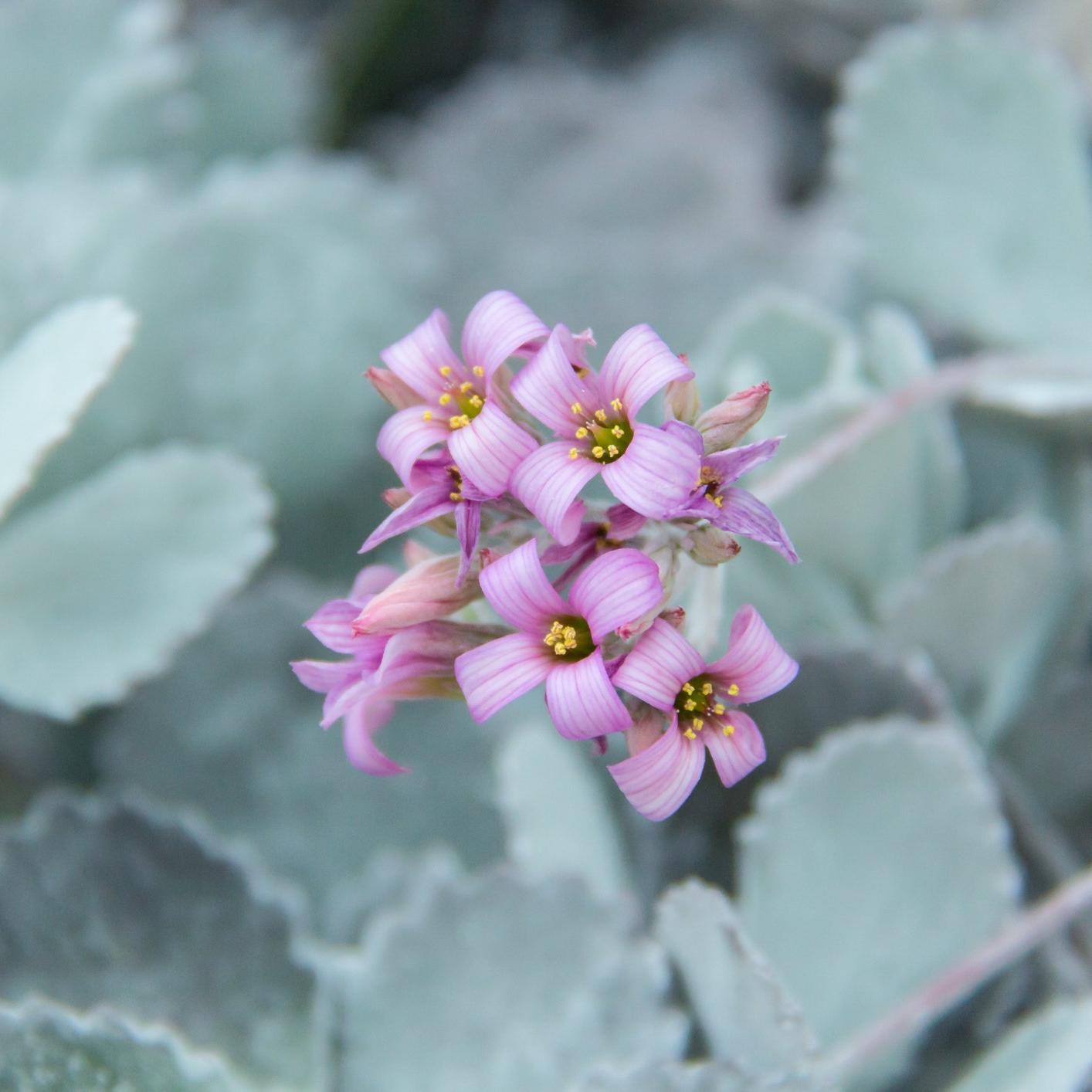
Kalanchoe plants are known for their vibrant blooms. Encouraging them to flower requires proper care and attention. With the right techniques, you can enjoy beautiful blooms year-round. This section will guide you on how to enhance blooming.
Seasonal Care Tips
Adjust care based on the season for optimal growth. During spring, increase watering slightly as the plant begins its active growth period. In summer, provide bright but indirect sunlight to protect from scorching. Reduce watering in winter, allowing the soil to dry between waterings. Always use well-draining soil.
Enhancing Flower Growth
To boost flower production, use a balanced fertilizer every month. Trim spent blooms to encourage new growth. Ensure the plant receives plenty of indirect sunlight. Keep temperatures between 60-85°F for ideal conditions. Avoid overwatering to prevent root rot.
Credit: www.flyingflowers.co.uk
Troubleshooting Common Issues
Caring for Kalanchoe involves addressing common issues like overwatering and insufficient sunlight. Ensure proper drainage to prevent root rot. Maintain bright, indirect light for healthy growth and vibrant blooms.
Caring for Kalanchoe can sometimes present challenges. These issues may affect your plant’s health. Addressing them promptly can restore its vibrant beauty. Explore common problems and their solutions.Identifying Diseases
Kalanchoe is prone to certain diseases. Look for signs like leaf spots or mold. Black or brown spots may indicate fungal infections. Powdery mildew appears as white, dusty patches. Bacterial diseases may cause wilting. Early detection is key. Inspect your plant regularly.Solutions For Wilting And Yellowing
Wilting and yellowing are common issues. Overwatering often causes these symptoms. Check the soil moisture. Ensure it dries out between waterings. Poor drainage can also lead to root rot. Ensure your pot has drainage holes. Yellow leaves may result from nutrient deficiency. Use a balanced fertilizer during the growing season. Adjust light exposure if necessary. Kalanchoe needs bright, indirect light. Avoid direct sunlight, which can scorch leaves.Frequently Asked Questions
How Do You Take Care Of A Kalanchoe Indoors?
Place your kalanchoe in bright, indirect sunlight. Water sparingly, letting soil dry between waterings. Maintain temperatures between 60-85°F. Use well-draining soil and fertilize monthly during the growing season. Trim dead flowers to promote new growth.
Is A Kalanchoe An Indoor Or Outdoor Plant?
Kalanchoe can thrive both indoors and outdoors. It prefers well-drained soil and plenty of sunlight. This versatile plant is ideal for bright indoor spots or sheltered outdoor locations. Ensure moderate watering and avoid overwatering for optimal growth. Kalanchoe is popular for its colorful flowers and ease of care.
How Do You Keep A Kalanchoe Blooming?
Place Kalanchoe in bright, indirect sunlight for several hours daily. Water when the soil feels dry. Fertilize monthly during the growing season. Deadhead spent blooms to encourage new growth. Maintain a cool, dry environment to extend blooming.
Should You Deadhead Kalanchoe?
Deadheading kalanchoe encourages new blooms and keeps the plant looking tidy. Remove spent flowers by cutting them off. Regular deadheading promotes healthier growth and extends the blooming period. Use clean scissors or pruners to prevent infections. This simple care step enhances the plant’s appearance and vitality.
Conclusion
Caring for Kalanchoe can be simple and rewarding. Water it sparingly. Ensure the soil drains well to prevent root rot. Place it in bright sunlight for healthy growth. Prune regularly to keep it neat and promote blooms. Watch for pests, and use natural remedies if needed.
Kalanchoe can thrive indoors, adding beauty to your space. With these tips, your plant will flourish. Enjoy its vibrant flowers. Share your joy with friends. Happy gardening!

Similar Posts