
What is a Salvage Title on a Car: Explained Simply
Have you ever come across the term “salvage title” while browsing for a used car? If so, you’re not alone.
Understanding what a salvage title means can be crucial, especially if you’re considering buying a vehicle with one. A salvage title can significantly impact a car’s value and your decision-making process. But what exactly is it, and why should you care?
By the end of this article, you’ll have a clear grasp of what a salvage title is, why it’s important, and how it affects your buying decision. Stick around, and you’ll discover the essential insights you need to make informed choices and possibly save yourself from a costly mistake.
Salvage Title Basics
A salvage title on a car indicates significant damage, such as from an accident, flood, or theft recovery. Vehicles with this title are often deemed total losses by insurance companies but can be repaired and resold. Buyers should be cautious, as these cars may have hidden issues affecting safety and value.
Salvage Title Basics Purchasing a car with a salvage title might seem daunting. Understanding the basics can ease your concerns. A salvage title indicates the vehicle was deemed a total loss by an insurer. This could result from an accident, flood, or theft. Yet, these cars can be repaired and resold.What Does Salvage Title Mean?
A salvage title means the car was severely damaged. Insurance companies declare it not worth repairing. This often happens when repair costs exceed the car’s value. After repair, the vehicle can be sold with a salvage title.Reasons For Salvage Titles
Cars get salvage titles for various reasons. Accidents are the most common cause. Flood damage and theft recovery also lead to salvage titles. Each case affects the car’s future use and value differently.Pros And Cons Of Buying Salvage Title Cars
Buying these cars has pros and cons. The main advantage is the lower price. It’s often significantly cheaper than similar cars with clean titles. The downside is potential hidden damage. It might affect safety and performance.How Salvage Titles Affect Insurance
Insuring a car with a salvage title can be challenging. Some insurers refuse coverage. Others offer limited options. It’s crucial to research insurance availability before purchasing.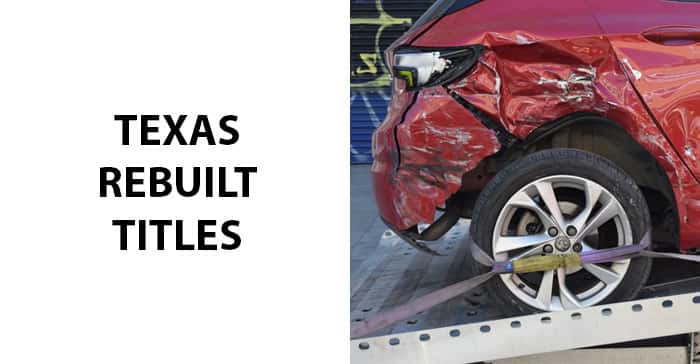
Credit: www.tiptonhyundai.com
Causes For A Salvage Title
Understanding the causes for a salvage title is crucial for car buyers. A salvage title indicates significant damage or loss. Knowing the reasons behind it helps make informed decisions. Let’s explore the primary causes for a salvage title.
Accident Damage
Car accidents often lead to a salvage title. Severe collisions can cause extensive damage. Repairs may cost more than the car’s value. Insurers may declare the vehicle a total loss. This results in a salvage title.
Natural Disasters
Natural disasters can devastate vehicles. Floods, hurricanes, or earthquakes may heavily damage cars. Water damage is particularly harmful. It can ruin electrical systems and interiors. Insurers may label such cars as salvage.
Theft Recovery
Theft recovery often leads to a salvage title. Stolen cars may return in poor condition. Thieves might strip them for parts. Damage during theft can be extensive. Insurers may declare these cars as salvage.
How A Car Gets A Salvage Title
A car gets a salvage title after significant damage, often from accidents or natural disasters. Insurance companies declare it a total loss, and the title indicates the vehicle was severely damaged and repaired. This title can affect resale value and insurance rates.
When you hear the term ‘salvage title’, you might wonder what it really means for a car. A salvage title essentially marks a car that has been deemed a total loss by an insurance company. This designation can stem from various incidents, such as accidents, floods, or theft. Understanding how a car receives this label is crucial if you’re considering purchasing one.Insurance Company’s Role
The insurance company plays a pivotal role in assigning a salvage title. After a car accident or other damage, they assess the extent of the damage and compare it to the car’s value. If repair costs exceed a certain percentage of the car’s market value, they may decide it’s not worth fixing. This is when the vehicle is labeled a ‘total loss’. Imagine your car is involved in a severe accident. The repairs are projected to cost $8,000, but the car’s value is only $9,000. The insurance company will likely opt to declare it a total loss. In this scenario, the car would receive a salvage title, signaling to future buyers that it was once deemed irreparable.State Regulations
State regulations also play a significant role in the salvage title process. Each state has its own criteria for determining when a car should be given this title. Some states might require a car to be repaired and inspected before it’s allowed back on the road, while others may have less stringent requirements. For instance, in California, a car is typically given a salvage title if repair costs exceed 75% of its pre-damage value. This strict guideline ensures transparency and safety for future owners. You might be surprised to learn that in some states, a car with minimal damage can still get a salvage title, depending on specific regulations. This means that not all salvage-titled cars are beyond repair; some might just need a little TLC to get back on the road. Have you ever considered the implications of buying a salvage-titled car? Understanding these processes can help you make informed decisions, whether you’re buying, selling, or insuring a vehicle.Pros And Cons Of Buying
Buying a car with a salvage title can be risky. It might be cheaper, but hidden damages can lead to costly repairs. Insuring such vehicles is often difficult, and resale value is typically low. Always inspect thoroughly and consider professional advice before purchasing.
Buying a car with a salvage title involves weighing the benefits and risks. These cars were damaged and declared a total loss by insurance. While they can be affordable, they come with challenges. Let’s explore the pros and cons of buying a salvage title car.Cost Savings
Salvage title cars often come at a lower price. They can be 20-40% cheaper than similar models with clean titles. This makes them appealing for budget-conscious buyers. You might get a newer model for the same price as an older one. If you’re handy with repairs, this could be a great deal.Repair Challenges
Fixing a salvage car can be difficult. Parts may be hard to find. Some damage might not be visible at first. Repairs could be costly. Ensure you know the extent of repairs needed before buying. Consider hiring a mechanic for an inspection. This prevents unexpected expenses.Resale Value
Reselling a salvage car can be tough. Buyers are often wary of these vehicles. You may get less money than expected. A salvage title reduces a car’s market value. Be prepared to sell for much less than you paid. Keep all repair records. This helps build trust with potential buyers.Inspecting A Salvage Title Car
Salvage titles are issued to cars with severe damage from accidents or natural disasters. These vehicles are often repaired and resold at lower prices. Inspecting a salvage title car ensures safety and reliability before purchase.
Inspecting a salvage title car can be a daunting task, but it’s crucial if you’re considering purchasing one. These vehicles have usually been through significant damage, often from accidents, floods, or theft recoveries. Knowing how to thoroughly inspect them can save you from unexpected headaches and expenses.Professional Inspection
Hiring a professional mechanic is a wise move when you’re eyeing a salvage title car. They have the expertise to spot hidden issues that you might overlook. A mechanic can check the structural integrity, engine health, and electrical systems thoroughly. An experienced mechanic can also provide an estimate of the repair costs needed to bring the car back to a reliable state. This gives you a clearer picture of whether the purchase is worth your investment. You wouldn’t want to buy a car that ends up costing more in repairs than its value.Checking Repair History
Always ask for the car’s repair history. This documentation can reveal the extent of the damage and repairs the vehicle has undergone. Ensure the repairs were done by reputable shops with certified technicians. Reviewing the repair history also helps you understand if the car has had recurring issues. For example, multiple fixes for the same problem might indicate an underlying issue that wasn’t resolved properly. It’s crucial to ensure that all previous repairs have been completed to a satisfactory standard. Consider reaching out to the shops that performed the repairs for further insights. They can provide firsthand information about the condition of the car when it arrived and the repairs it underwent. This extra step can give you peace of mind before making a purchase decision. Is the potential deal worth the risk of unforeseen problems? Being thorough in your inspection can help you answer that question confidently.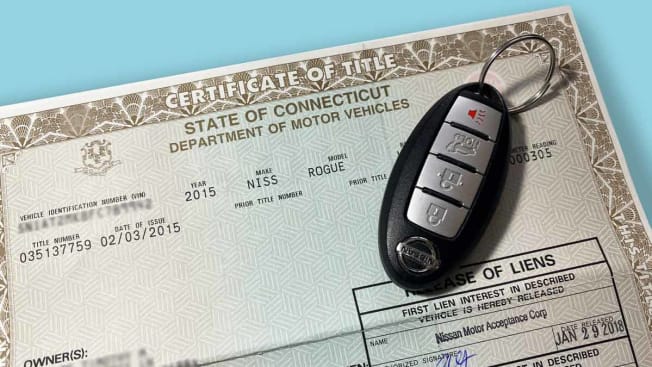
Credit: www.consumerreports.org
Insuring A Salvage Title Car
A salvage title on a car indicates significant damage that led to the vehicle being deemed a total loss by an insurer. These cars can be repaired and driven again, but insuring them may be challenging due to their history and potential safety concerns.
Insuring a salvage title car can be a tricky endeavor. These vehicles, often perceived as high risk, have been previously deemed a total loss by an insurer due to damage. While getting them back on the road is possible, securing insurance coverage can be challenging. You might wonder if it’s worth the effort. Let’s dive into the nuances of insuring these unique automobiles.Coverage Limitations
When seeking insurance for a salvage title car, you’ll likely face restrictions. Many insurers view these vehicles as riskier due to their history. Coverage might be limited to liability insurance only, leaving you without comprehensive or collision options. You may find that insurers impose higher premiums. This is because the risk associated with the car’s past damage can result in unforeseen issues. It’s crucial to weigh the cost against potential risks. Some states have specific regulations around insuring salvage title cars. Check local laws to understand what coverage is mandatory and what is optional. This knowledge can guide you in making informed decisions.Finding An Insurer
Locating an insurer willing to cover a salvage title car requires patience. Start by asking your current insurance provider if they offer policies for salvage vehicles. They might have specific guidelines or recommendations. Consider reaching out to smaller, regional insurance companies. Sometimes, these providers are more flexible and willing to work with unique cases. They may offer tailored policies that suit your needs. Ask friends or family members for recommendations. Personal experiences can reveal insurers that have been helpful in similar situations. Have you ever found yourself wishing for insider tips? Now is the time to use them to your advantage.Rebuilding And Certification
Rebuilding and certification of a car with a salvage title is a crucial step in transforming a vehicle from its damaged state to one that is roadworthy and legally compliant. This process involves meticulous repair, thorough state inspections, and finally, achieving certification. But what does each stage entail, and how can you ensure your rebuilt car meets all necessary standards?
Repair Process
The repair process is the first step in converting a salvage title vehicle into a certified one. It involves assessing the extent of damage and determining the necessary repairs. Skilled mechanics will often dismantle parts to ensure hidden issues are addressed. You might be surprised how much a seemingly minor dent can reveal about underlying problems.
Consider making a checklist of repairs needed. This can help you stay organized and ensure nothing is overlooked. Do you know which parts need replacing and which can be repaired? It’s essential to use quality parts and experienced professionals to avoid future complications.
State Inspection
Once your vehicle is repaired, it’s time for the state inspection. This step is vital for certifying that your car meets safety standards. Each state has its own regulations, so it’s important to familiarize yourself with local requirements. Have you checked your state’s specific criteria for salvage title inspections?
During the inspection, officials will scrutinize your vehicle to ensure all repairs are up to standard. They will check structural integrity, safety features, and emissions compliance. Passing this inspection is crucial for obtaining a rebuilt title.
By understanding and following the repair process and state inspection requirements, you can confidently transform a salvage title car into a reliable and roadworthy vehicle. What’s your experience with rebuilding a salvage title car? Share your thoughts in the comments below!
Legal And Financial Implications
A salvage title on a car indicates it’s been damaged significantly, affecting its legal and financial standing. It often results in lower resale value and higher insurance costs, impacting ownership decisions.
Purchasing a car with a salvage title can be a double-edged sword, offering a lower price point but accompanied by several legal and financial hurdles. While the initial cost may tempt you, the implications of owning such a vehicle can be complex and challenging. Understanding these consequences is crucial to making an informed decision.Registration Issues
Registering a car with a salvage title isn’t as straightforward as with a clean title. Depending on your state, you may need to undergo a thorough inspection to ensure the vehicle is roadworthy. This inspection can lead to unforeseen expenses and delays. Are you prepared to navigate this bureaucratic maze and handle any unexpected costs?Financing Challenges
Securing financing for a car with a salvage title can be difficult. Many banks and financial institutions are hesitant to offer loans for such vehicles. This reluctance is due to the perceived risk associated with the car’s history. You might find yourself needing to pay in cash or seek out alternative financing options, which could limit your purchasing power. Is the potential hassle worth the initial savings?Making An Informed Decision
When it comes to purchasing a vehicle with a salvage title, the decision can be a bit daunting. It’s crucial to arm yourself with knowledge to make an informed choice. Understanding the implications and weighing the risks can lead you to a vehicle that fits your needs while avoiding potential pitfalls. Let’s break down the considerations you should keep in mind.
Assessing Risk
Buying a car with a salvage title introduces a unique set of risks. These vehicles have typically been deemed a total loss by insurance companies due to accidents, flooding, or other damage. Consider the extent of the repairs needed and whether they were properly executed. A thorough inspection by a trusted mechanic can offer insights into the car’s condition. Ask yourself, are you willing to take on the potential challenges that might come with this car?
Long-term Considerations
Think about the long-term implications of owning a salvage title vehicle. These cars might come with lower upfront costs, but their resale value is often significantly reduced. Insurance can be tricky, too, with some companies hesitant to cover salvage title cars. Consider how long you plan to keep the vehicle and whether you’re prepared for potential difficulties in selling it later. It’s essential to weigh these factors against your immediate savings.
Credit: auction.ridesafely.com
Frequently Asked Questions
Is It Bad To Buy A Car With A Salvage Title?
Buying a car with a salvage title can be risky. It often indicates previous severe damage. Insurance and resale may be challenging. Inspect thoroughly before purchasing.
Can I Drive A Salvage Title Car In Texas?
Yes, you can drive a salvage title car in Texas. You must first repair it and pass a state inspection to obtain a rebuilt title. Once you have a rebuilt title, you can legally drive the car on Texas roads.
Ensure insurance coverage before driving.
Can You Clear A Salvage Title In Mn?
Yes, you can clear a salvage title in Minnesota. Obtain a Minnesota inspection, repair the vehicle, and submit required documents.
Can You Drive A Car With A Salvage Title In Washington State?
Yes, you can drive a car with a salvage title in Washington state. Ensure it’s repaired and passes a safety inspection. Obtain rebuilt title and registration before driving. Salvage vehicles must meet all roadworthiness standards for legal operation on public roads.
Check local regulations for any specific requirements.
Conclusion
Understanding salvage titles helps buyers make informed car decisions. These titles indicate significant past damage. Sometimes, repairs restore the car well. But risks remain. Always inspect thoroughly before purchasing. Consider using a trusted mechanic’s advice. Salvage titles may mean lower prices.
But they might bring hidden costs later. Insurance can be tricky too. Not all companies cover salvage cars easily. Weigh all factors carefully. Your safety matters most. Knowledge empowers wise choices. Stay informed and cautious. This helps avoid future regrets.
Make smart decisions for peace of mind.


