How to Take Care of Begonias: Expert Tips for Thriving Blooms
Are you ready to transform your garden or indoor space with the vibrant beauty of begonias? These colorful and versatile plants can instantly brighten up any area, but to keep them thriving, they require just the right care.
Maybe you’ve admired begonias in a neighbor’s garden or at a local nursery, and you’re curious about how you can achieve the same stunning effect at home. Or perhaps you’ve tried growing them before and faced a few challenges. Whatever your experience level, this guide is here to help.
We’ll provide you with simple, actionable tips to ensure your begonias not only survive but truly flourish. Imagine the joy of watching them bloom with vitality, enhancing your surroundings with their lush colors and unique foliage. Let’s dive into the essentials that will turn your begonias into the highlight of your garden or home.
Choosing The Right Begonia
Selecting the perfect begonia involves understanding its care needs, like sunlight and watering. Bright indirect light and regular watering keep begonias healthy and vibrant. Avoid overwatering to prevent root rot.
Choosing the right begonia for your garden or home is not just about picking the prettiest plant. It’s about understanding what each type offers and how it fits into your environment. This decision can make the difference between a thriving plant and one that struggles to survive. Let’s dive into the details of selecting the perfect begonia.Types Of Begonias
Begonias come in a dazzling array of varieties, each with its unique charm. You have the popular wax begonias, known for their glossy leaves and vibrant blooms. Tuberous begonias offer a dramatic flair with their large, showy flowers. Rhizomatous begonias are prized for their interesting leaf patterns and textures, making them a great choice for foliage enthusiasts. Angel wing begonias, with their distinct leaf shape, add an exotic touch to any collection. Take time to explore these types and consider what suits your aesthetic and care abilities best.Selecting Healthy Plants
When picking begonias, inspect the leaves and stems closely. Healthy leaves should be free from spots or discoloration, and stems should feel firm. Avoid plants with signs of pests or diseases, such as webbing or mold. Check the roots if possible; they should be white and not overgrown or mushy. Choosing a healthy begonia at the start saves you from future headaches and ensures a thriving plant life. Consider how much sunlight and humidity your space offers. Begonias vary in their needs, and matching your environment to their requirements is crucial. A personal tip: I once picked a begonia solely for its beauty, ignoring its care needs. It struggled in my home’s dry air until I adjusted the humidity—an important lesson in matching plant needs to your environment. Are you ready to find a begonia that will flourish in your care and bring joy to your space?Ideal Growing Conditions
Begonias thrive in bright, indirect sunlight and well-drained soil. Maintain temperatures between 65-75°F for healthy growth. Keep humidity levels moderate and water them when the topsoil feels dry.
Ideal growing conditions are crucial for healthy begonias. These vibrant plants thrive under specific circumstances. Understanding their needs ensures lush foliage and beautiful blooms.Light Requirements
Begonias love bright, indirect sunlight. Direct sun can scorch their leaves. Place them near a window with filtered light. They also grow well under fluorescent lighting. Ensure they get enough light for vibrant colors.Temperature And Humidity
Begonias prefer temperatures between 60°F and 75°F. Avoid cold drafts and sudden temperature changes. High humidity is essential for their growth. Use a humidifier or place a tray of water nearby. Misting them occasionally helps maintain moisture.Planting Begonias
Begonias thrive in bright, indirect sunlight and require well-draining soil to prevent root rot. Water them when the topsoil feels dry, ensuring proper moisture without overwatering. Regularly remove dead leaves and flowers to encourage healthy growth.
Planting Begonias is a delightful endeavor for gardening enthusiasts. These colorful plants brighten any space with their vibrant blossoms. Proper planting ensures healthy growth and stunning blooms.Soil Preparation
Begonias thrive in well-draining soil. Mix peat moss, perlite, and potting soil. This blend retains moisture but prevents waterlogging. Ensure the soil is slightly acidic, with a pH of 5.5 to 6.5. Test soil pH using a simple kit. Adjust with lime or sulfur if needed.Potting And Repotting
Choose a pot with drainage holes. Begonias dislike soggy roots. Place gravel at the bottom for added drainage. Fill pot with prepared soil mix. Plant begonias at the same depth as their nursery pot. Water gently after planting. Repot annually to refresh soil and give roots more space.
Credit: dutchflowerbulbs.com
Watering Techniques
Begonias thrive with consistent watering, keeping the soil moist but not soggy. Early morning watering minimizes evaporation. Ensure good drainage to prevent root rot.
Watering Techniques Begonias are beloved for their vibrant blooms and lush foliage. Proper watering keeps them healthy and thriving. Understanding the right techniques helps you maintain their beauty. Let’s explore how to water begonias effectively.Frequency Of Watering
Begonias need consistent moisture. Water them when the topsoil feels dry. This usually means watering once or twice a week. Adjust frequency based on your climate. During warmer months, they may need more frequent watering. In cooler months, reduce frequency to prevent root rot.Avoiding Overwatering
Overwatering leads to root damage. Ensure the pot has drainage holes. This prevents water from accumulating. Always check soil moisture before watering. If the soil is damp, hold off watering. Use a moisture meter for accuracy. Yellow leaves signal overwatering issues. Adjust your watering schedule promptly.Fertilizing Begonias
Fertilizing begonias is essential for their vibrant blooms and healthy growth. These beautiful plants need the right nutrients to thrive. With proper fertilization, begonias can display their full beauty. Let’s explore how to fertilize begonias effectively.
Choosing The Right Fertilizer
Begonias need a balanced fertilizer for optimal growth. Select a water-soluble fertilizer with equal parts nitrogen, phosphorus, and potassium. A 10-10-10 formula works well. This ensures begonias get all necessary nutrients. Organic fertilizers are also a good choice for begonias. They release nutrients slowly, promoting steady growth.
Application Schedule
Begin fertilizing begonias in spring as growth starts. Feed them every two weeks during the growing season. Reduce feeding in the fall as growth slows. Avoid fertilizing during winter dormancy. Over-fertilizing can harm begonias, so follow recommended amounts. Always water the plants after applying fertilizer. This helps distribute nutrients evenly.
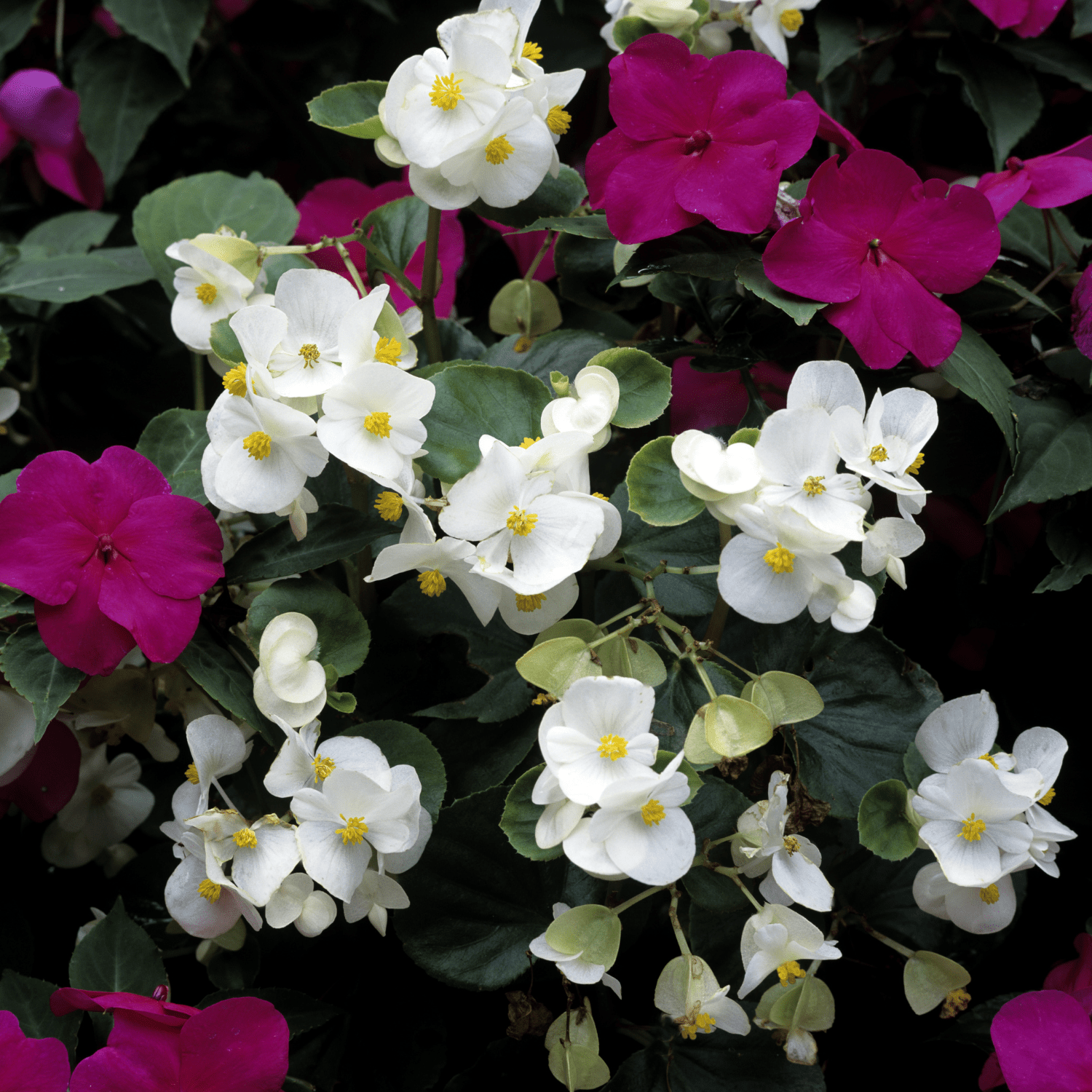
Credit: dutchflowerbulbs.com
Pruning And Maintenance
Pruning begonias regularly encourages healthy growth and prevents diseases. Remove dead leaves and spent blooms carefully. Ensure the plant has good air circulation by trimming overcrowded areas.
Pruning and maintaining your begonias are crucial for keeping them healthy and vibrant. Proper pruning encourages more blooms and prevents diseases from taking hold. It’s a simple yet essential part of plant care that can make all the difference in your begonias’ growth and appearance. Let’s dive into some practical tips you can start using today.Trimming Dead Leaves
Begin by inspecting your begonias for any dead or yellowing leaves. These leaves not only look unsightly but can also harbor pests and diseases. Use a pair of clean, sharp scissors or pruning shears to carefully trim away these leaves. Always cut close to the base without damaging the main stem. Regularly removing these leaves will help your plant redirect energy to healthier parts. Have you noticed how cutting away the old makes room for the new?Encouraging New Growth
Once you’ve tidied up your begonias, you can focus on encouraging new growth. Pinching back the tips of your begonias can stimulate bushier growth. Simply use your fingers or a pair of small scissors to remove the tip of each stem. This action encourages the plant to produce more side shoots, resulting in a fuller appearance. Consider this like giving your begonias a gentle nudge to grow more vibrantly. Are you ready to see your begonias flourish? Regular maintenance not only enhances the beauty of your begonias but also boosts their overall health. Remember, a little attention goes a long way in gardening. What new growth will you nurture today?Pest And Disease Management
Keeping begonias healthy involves regular checks for pests and diseases. Ensure proper ventilation and avoid waterlogging to prevent fungal infections. Regularly inspect leaves for signs of aphids or mites and treat with appropriate solutions promptly.
Taking care of begonias involves more than just watering and sunlight; it’s essential to protect them from pests and diseases. While these vibrant plants can brighten up any space, they are susceptible to some common threats that can hinder their growth and beauty. Understanding how to manage these issues will ensure your begonias remain healthy and flourishing.Common Pests
Begonias can attract various pests that can damage their leaves and stems. Aphids, spider mites, and mealybugs are frequent visitors. These tiny invaders suck the sap, leaving behind a weakened plant with curled or discolored leaves. To combat these pests, it’s crucial to inspect your begonias regularly. Look for signs like webbing or sticky residue. A simple solution of water and mild soap can be your first line of defense. Spray it on the affected areas to deter these pests without harming the plant.Preventing And Treating Diseases
Begonias are prone to diseases, particularly fungal infections like powdery mildew and root rot. These usually occur due to overwatering or poor air circulation. Recognizing early symptoms, such as white spots on leaves or wilting, is key to prevention. To minimize the risk, ensure your begonias have good air circulation and avoid waterlogging. If you notice signs of disease, remove affected leaves promptly. You might wonder, is it worth investing in a fungicide? In many cases, yes. A targeted fungicide can halt the spread and save your plant. Regular maintenance and vigilance are your best allies in keeping your begonias pest- and disease-free. What steps will you take today to safeguard your garden’s beauty?Seasonal Care Tips
Begonias are beloved for their vibrant blooms and lush foliage. Caring for them varies with the seasons. Understanding seasonal care ensures your begonias thrive year-round. Here are some seasonal care tips to keep your begonias healthy and beautiful.
Winter Care
During winter, begonias need extra attention. Most begonias are sensitive to cold temperatures. Keep them indoors or in a warm greenhouse. Ensure they receive indirect sunlight. Direct light can be harsh and damage leaves.
Reduce watering in winter. Begonias require less water when dormant. Overwatering can lead to root rot. Check the soil; it should be slightly dry before watering. Humidity is crucial. Use a humidifier or place a tray of water near plants to maintain moisture.
Summer Care
Summer is an active growing season for begonias. They enjoy the warmth but need protection from intense sun. Place them in a shaded area with indirect sunlight. This prevents leaf burn and keeps foliage vibrant.
Water begonias more frequently in summer. Soil should be moist but not soggy. Early morning is the best time to water. This allows leaves to dry before evening, reducing fungal issues. Fertilize every two weeks with a balanced liquid fertilizer. This supports growth and encourages blooming.
Propagation Techniques
Begonias thrive with proper propagation techniques. Use stem cuttings to ensure healthy growth. Place cuttings in well-drained soil, providing indirect sunlight and consistent moisture.
Propagating begonias is an exciting journey that allows you to expand your collection or share the beauty of these plants with friends. It’s a rewarding way to witness the life cycle of a plant from its very beginnings. Whether you’re a seasoned gardener or a novice, mastering propagation can bring a sense of accomplishment and joy. But have you ever wondered how to do it efficiently at home? Let’s dive into two proven techniques: stem cuttings and leaf cuttings.Stem Cuttings
Stem cuttings are a popular method because they are relatively straightforward and often result in robust new plants. Start by selecting a healthy stem. Look for one that is free of disease and has several leaves. The ideal length is around four to six inches. Once you have your stem, cut it just below a node. A node is where leaves grow from, and it’s crucial because this is where roots will develop. Remove the lower leaves, leaving just a few at the top. This reduces the energy needed to sustain the cutting and encourages root growth. Dip the cut end in rooting hormone. This step isn’t mandatory, but it can speed up the rooting process and increase success rates. Place the cutting in a pot filled with moist potting mix. Ensure the node is buried, but the leaves are above the soil. Keep the pot in a warm, well-lit area. Avoid direct sunlight to prevent wilting. Cover the pot with a plastic bag or a clear container to maintain humidity. This creates a mini greenhouse effect, which is perfect for encouraging root growth. Check periodically for new growth. It usually takes a few weeks for roots to develop, and you’ll start seeing new leaves as a sign of success.Leaf Cuttings
Leaf cuttings are ideal for certain types of begonias, especially those with fleshy leaves. It’s a fascinating technique that highlights the regenerative powers of plants. Choose a healthy leaf with no signs of damage. The fresher, the better, as older leaves might not root well. Cut the leaf into sections. Each section should contain a vein, as this is where roots and shoots will emerge. Dip each section in rooting hormone. Again, this step is optional but can enhance rooting success. Place the leaf sections on top of moist potting mix. Gently press them into the soil, ensuring the vein is in contact with the mix. Cover the pot with plastic to maintain humidity. This helps prevent the leaf sections from drying out and promotes root development. Position the pot in bright, indirect light. This encourages growth without stressing the new plant sections. Monitor for new shoots. Over time, you’ll notice small plantlets emerging from the leaf sections, a rewarding sight for any gardener. Propagation through leaf cuttings might take longer than stem cuttings, but the magic of seeing tiny plants sprout from mere leaf sections is worth the patience. Which technique will you try first? Whether you opt for stem or leaf cuttings, both offer a unique window into the world of plant propagation. Plus, it’s a fantastic way to multiply your begonias and share their beauty with others.
Credit: greg.app
Troubleshooting Common Issues
Troubleshooting Common Issues Begonias thrive with proper care. Ensure they receive indirect sunlight and well-draining soil. Overwatering can lead to root rot, so water only when the top inch of soil is dry. Watch for pests like aphids and treat them promptly with a gentle insecticidal soap.
Taking care of begonias can be a rewarding experience, yet even the most diligent gardener can run into common issues. These vibrant plants, known for their lush foliage and bright flowers, sometimes display troubling signs that require attention. Knowing how to troubleshoot problems like yellowing leaves and lack of blooms can make all the difference in maintaining healthy, thriving begonias.Yellowing Leaves
Yellowing leaves often indicate stress in begonias. This can result from improper watering or inadequate light. If your begonias have yellow leaves, check the soil moisture. Overwatering leads to root rot, while underwatering causes dehydration. Adjust watering schedules based on the season and climate. Light is another factor. Begonias thrive in bright, indirect light. If they are too close to a window, they may suffer from too much sun exposure. Consider moving them to a spot with filtered light. Have you recently changed their location? Observing changes in light exposure can help pinpoint the cause.Lack Of Blooms
A begonia’s lack of blooms can be frustrating. One common reason is insufficient nutrients. Regular feeding with a balanced fertilizer can promote blooming. Make sure your fertilizer is suitable for begonias, as the wrong type can affect flowering. Temperature plays a role too. Begonias prefer warm conditions and might not bloom if exposed to cold drafts or fluctuating temperatures. Ensuring a stable environment can encourage flowers. Are your begonias near a heater or air conditioner? It might be worth moving them to a more temperate spot. With these troubleshooting tips, you can address issues and enjoy beautiful begonias year-round. What changes will you make to enhance your begonia care routine?Frequently Asked Questions
How Do You Take Care Of A Potted Begonia?
Place begonia in indirect sunlight and water when the top soil feels dry. Ensure good drainage to prevent root rot. Use a balanced fertilizer monthly during growth. Keep humidity high with a tray of water nearby. Regularly remove dead leaves to promote healthy growth.
How Do You Keep Begonias Blooming?
Water begonias consistently, keeping the soil moist but not soggy. Ensure they receive bright, indirect sunlight. Fertilize monthly with a balanced fertilizer. Deadhead spent blooms to encourage more flowers. Maintain humidity levels and protect from extreme temperatures for optimal blooming.
Do Begonias Like Sun Or Shade?
Begonias prefer partial shade and indirect sunlight. Direct sun can scorch their leaves. They thrive in filtered light, making them ideal for shaded gardens or indoor spots with bright, indirect light. Ensure they receive enough light to bloom but avoid harsh afternoon sun to keep them healthy.
What Do Overwatered Begonias Look Like?
Overwatered begonias often have yellowing leaves and soft, mushy stems. You may notice root rot symptoms. The soil may appear soggy or waterlogged. Leaf drop and wilting can also occur despite the soil being wet. Ensure proper drainage to prevent these symptoms.
Conclusion
Begonias need love and care to thrive beautifully. Water them just right. Not too much or too little. Keep them in bright, indirect sunlight. They enjoy a cozy spot. Check their leaves for health signs. Yellow means trouble. Regularly prune dead leaves.
This helps growth. Use the right soil mix for nutrients. Feed them with gentle fertilizers. Protect from pests that harm. Happy begonias brighten any space. Enjoy their vibrant colors and lush foliage. With these simple steps, your begonias will flourish.
They will reward you with stunning blooms. Let their beauty enhance your home.