What is a Plug in Hybrid Car: Unveiling Eco-Friendly Driving

Have you ever wondered what a plug-in hybrid car is and why it’s becoming so popular? Picture yourself driving a car that combines the best of both worlds: the efficiency of an electric vehicle and the flexibility of a traditional gasoline engine.
This innovative blend could be the answer to your quest for a more eco-friendly and cost-effective driving experience. But what exactly sets a plug-in hybrid car apart, and how can it make your life easier? Stick around as we dive into the fascinating world of plug-in hybrid technology, revealing how it can transform your driving habits while keeping your budget and the environment in check.
Credit: environmentamerica.org
Plug-in Hybrid Basics
Are you curious about plug-in hybrid cars and how they fit into the modern automotive landscape? As vehicles become more technologically advanced, understanding the basics of plug-in hybrids can provide valuable insights into their benefits and operation. This section will explore what makes plug-in hybrids unique and why they might be the right choice for your driving needs.
Definition And Features
A plug-in hybrid car combines the features of traditional combustion engines with electric motors, providing flexibility and efficiency. Unlike standard hybrid cars, plug-in hybrids can be charged externally, allowing you to drive on electricity alone for short distances. This means you can enjoy reduced fuel consumption and lower emissions without sacrificing convenience.
These cars offer dual functionality; you can rely on the electric motor for city driving and switch to the gasoline engine for longer trips. The ability to charge at home or at public charging stations adds another layer of convenience, making it a practical choice for those looking to reduce their carbon footprint.
How It Works
Plug-in hybrids operate by alternating between electric power and gasoline. When you start your journey, the electric motor takes over, providing a quiet and smooth ride. If the battery runs low, or you need more power, the gasoline engine kicks in seamlessly. This transition is usually automatic, ensuring you don’t have to worry about switching modes manually.
Charging the battery can be done with a regular household outlet or faster charging stations, depending on your needs. The electric range typically covers daily commuting distances, so you might find yourself using the gasoline engine only occasionally. This blend of technologies offers versatility that fits varied driving habits.
Key Components
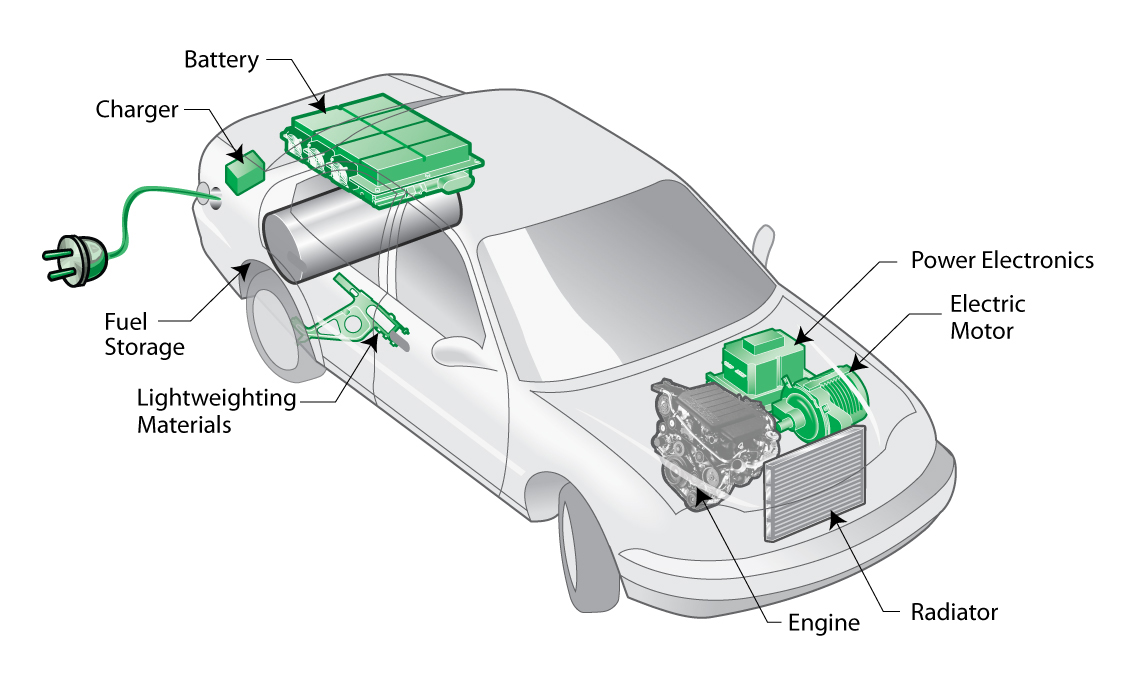
A plug-in hybrid car consists of several key components that work together to deliver efficient performance:
- Battery Pack:Stores the electric energy used to power the electric motor. It can be charged externally to provide an electric driving range.
- Electric Motor:Propels the car using the energy from the battery. It’s ideal for short distances and city driving.
- Gasoline Engine:Provides additional power and range when the battery is depleted or for longer trips.
- Charging Port:Allows you to connect your car to an external power source to recharge the battery.
Each of these components plays a crucial role in the operation of a plug-in hybrid. The integration of electric and gasoline power creates a balanced system that maximizes efficiency and minimizes emissions. Imagine driving through your neighborhood on electric power, enjoying a silent ride, and then seamlessly transitioning to gasoline for a weekend getaway. Could this be the best of both worlds for your driving needs?
Credit: www.autostoday.com
Benefits Of Plug-in Hybrids
Plug-in hybrid cars offer the best of both worlds, combining electric power with traditional fuel engines. They reduce emissions and save fuel costs, providing an eco-friendly driving experience. With flexible charging options, they allow drivers to enjoy longer journeys without range anxiety.
Imagine cruising down the road in a car that offers the best of both worlds: the efficient electric drive and the reliability of gasoline power. Plug-in hybrid cars are gaining popularity for their unique blend of benefits. They promise environmental perks, improved fuel efficiency, and cost savings, making them a smart choice for the eco-conscious driver.Environmental Impact
Plug-in hybrids are game-changers in reducing your carbon footprint. By switching to electric mode, you cut down on emissions significantly. Have you ever thought about how much cleaner the air could be if more people made this choice? Cities are already seeing improved air quality with the rise in hybrid usage. Plus, some manufacturers use sustainable materials in their production, further benefiting the planet.Fuel Efficiency
Plug-in hybrids shine when it comes to fuel efficiency. They allow you to drive on electricity for short distances, saving gasoline for longer trips. Imagine the savings when you don’t have to fill up the tank as often. You get the flexibility to charge at home or at charging stations, ensuring you’re always ready for the road. It’s like having a secret weapon against fluctuating fuel prices.Cost Savings
Let’s talk about money. Plug-in hybrids might seem like a hefty investment initially, but they pay off in the long run. Think of the savings on fuel costs and the potential tax incentives for eco-friendly vehicles. Maintenance is often cheaper too, thanks to the reduced wear and tear on the engine. Isn’t it exciting to own a car that saves you money while being kind to the planet?Comparing To Other Vehicles
Plug-in hybrid cars blend electric power with traditional fuel engines, offering improved fuel efficiency. Unlike standard vehicles, these hybrids can run on electricity for short trips, reducing emissions.
Plug-in hybrid cars are gaining popularity, and it’s easy to see why. They offer the flexibility of using both electric power and gasoline, making them versatile and efficient. But how do they stack up against other types of vehicles? Let’s dive into the comparison to understand the real advantages and limitations of plug-in hybrids.Traditional Hybrids
Traditional hybrids, like the Toyota Prius, have been around for a while. They rely on a gasoline engine and an electric motor to improve fuel efficiency. However, unlike plug-in hybrids, you can’t charge them from an external power source. This means they can’t run purely on electric power for extended periods. Plug-in hybrids can be more beneficial if you’re looking to minimize gasoline usage and reduce emissions.Electric Vehicles
Electric vehicles (EVs) are entirely battery-powered, offering zero emissions while driving. The main difference is the range. EVs can travel long distances on a single charge, but they require charging stations, which might not be as accessible in some areas. Plug-in hybrids offer the best of both worlds: electric driving for short distances and gasoline for longer trips. This flexibility can be handy if you’re not ready to fully commit to an EV due to charging concerns.Conventional Cars
Conventional cars run solely on gasoline, which can be limiting in terms of fuel efficiency and environmental impact. While they may be cheaper upfront, the cost of fuel and maintenance can add up over time. Plug-in hybrids typically offer better fuel economy, especially for city driving. Imagine saving on fuel costs while also contributing to a cleaner environment. Wouldn’t that be a win-win situation? Plug-in hybrids provide a unique blend of benefits that cater to various driving needs. Whether you’re looking for efficiency, flexibility, or environmental impact, understanding these comparisons can help guide your decision when choosing your next car.Challenges And Considerations
As you consider diving into the world of plug-in hybrid cars, it’s crucial to understand the challenges and considerations that come with this innovative technology. While they promise a blend of electric efficiency and gasoline convenience, there are factors that might impact your decision. From battery life to charging infrastructure, each aspect plays a significant role in your overall experience. Let’s delve into these key elements to help you make an informed choice.
Battery Life And Maintenance
Battery life is a cornerstone of any plug-in hybrid car. It’s like the heart of the vehicle, affecting performance and longevity. Over time, battery efficiency can decrease, leading to shorter electric range. Regular maintenance is essential to keep the battery in top shape. Manufacturers often provide guidelines for optimal care, but it’s also beneficial to consult with a specialist. Are you ready to commit to this additional layer of maintenance?
Charging Infrastructure
Charging your hybrid is another consideration. Unlike gasoline stations, charging points are not yet ubiquitous. While home charging is an option, you might need public stations for longer trips. Research local charging infrastructure to understand its availability. Some areas are well-equipped, while others lag behind. How accessible are charging stations in your daily routine?
Initial Costs
Plug-in hybrids can come with a heftier price tag compared to traditional cars. This initial investment often includes the cost of a home charging station. Consider the long-term savings on fuel and potential tax incentives. However, weigh these against the upfront expense. Is the initial cost worth the potential savings and environmental impact?
Future Of Plug-in Hybrids
Plug-in hybrid cars use both electricity and gasoline for power. They can be charged at home or at stations. This flexibility offers a smooth transition to greener driving, appealing to eco-conscious consumers.
The future of plug-in hybrid cars looks promising. These vehicles blend the benefits of electric and conventional cars. They offer the flexibility of using electricity or gasoline. As technology advances, plug-in hybrids become more efficient and appealing.Technological Advancements
Battery technology is improving rapidly. Newer batteries charge faster and last longer. This makes plug-in hybrids more convenient. Engine efficiency is also getting better. Engineers design engines that use less fuel. This reduces emissions and operating costs.Market Trends
Demand for plug-in hybrids is increasing. Consumers want eco-friendly options. Many car manufacturers are expanding their hybrid offerings. This increases competition and improves vehicle choices. Analysts predict steady growth in the hybrid market.Government Incentives
Governments support the shift to cleaner transportation. Many offer tax credits for hybrid buyers. Some provide rebates or discounts. These incentives make plug-in hybrids more affordable. They encourage consumers to choose greener vehicles.
Credit: www.conicelliautoplex.com
Frequently Asked Questions
What Is The Difference Between A Hybrid And A Plug-in Hybrid?
A hybrid uses a gasoline engine and an electric motor, recharging while driving. A plug-in hybrid also uses both but can recharge via an external power source, offering more electric-only range.
What Is The Downside Of A Plug-in Hybrid?
Plug-in hybrids have limited electric range and higher upfront costs. Charging infrastructure may be sparse, affecting convenience. Battery degradation over time can reduce efficiency. Maintenance costs might be higher compared to traditional vehicles. Balancing two propulsion systems adds complexity. Environmental benefits depend on electricity sources used for charging.
Do You Have To Charge A Plug-in Hybrid Car?
Yes, you should charge a plug-in hybrid car to maximize electric range and efficiency. Charging allows it to run on electricity, reducing fuel consumption and emissions. Without charging, it operates more like a conventional hybrid, using the gasoline engine more frequently.
What Is The Difference Between A Plug-in Hybrid And A Full Hybrid?
A plug-in hybrid uses both electric and gasoline power, with larger batteries for extended electric range. A full hybrid primarily relies on gasoline, using electric power for short distances or to support the engine. Plug-in hybrids need external charging, while full hybrids self-charge through regenerative braking.
Conclusion
Plug-in hybrid cars offer a smart solution for eco-conscious drivers. They blend electric and gasoline power, reducing emissions. Ideal for city commutes and long trips alike. Charging is simple and often free at public stations. Save money on fuel and maintenance costs.
Many models come with tax credits, making them affordable. Consider your driving needs and budget. Explore different models and features. Make an informed choice for a cleaner future. Plug-in hybrids present a practical step towards sustainability. Embrace the journey to a greener lifestyle today.

Similar Posts